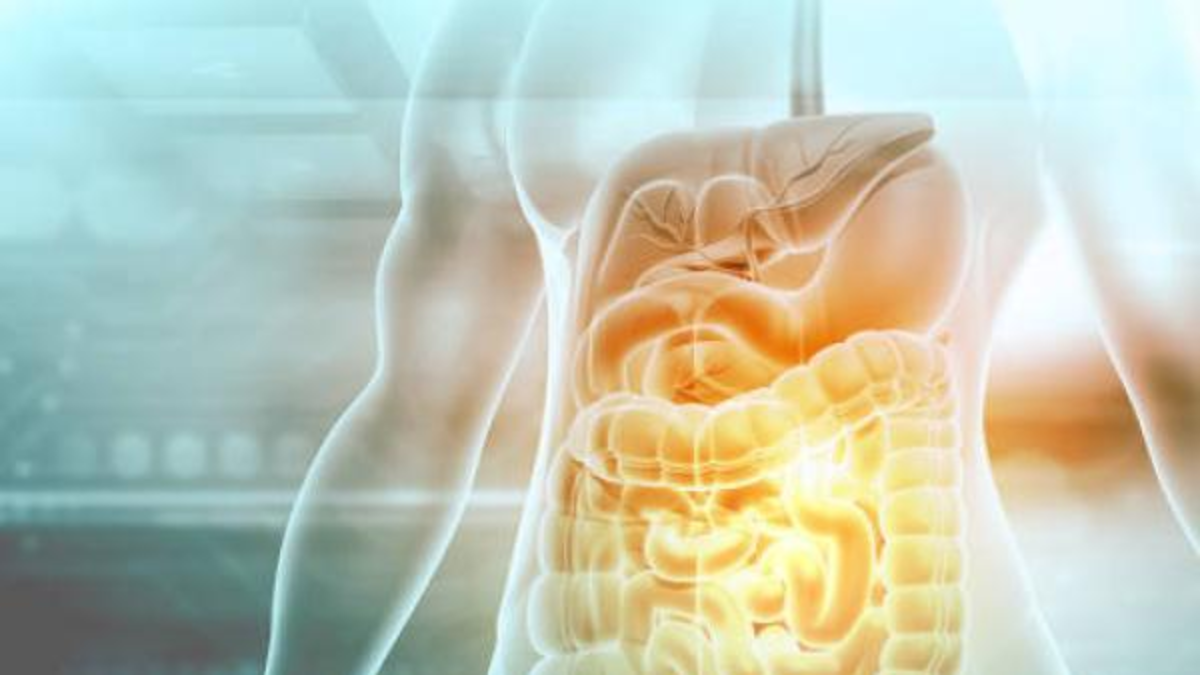
A man in Colombia initially believed he was experiencing a stomach infection, but his symptoms later revealed the early stages of an irreversible illness, according to a case report shared by health professionals. The individual, whose identity has not been disclosed, sought medical attention after developing gastrointestinal distress, only to later learn that his condition was part of a broader, progressive disease.
“This case underscores the importance of thorough diagnostic evaluation, especially when symptoms do not align with common conditions,” said Dr. Laura Montes, a gastroenterologist involved in the patient’s care.
Dr. Laura Montes, gastroenterologist
The patient’s initial symptoms included nausea, vomiting, and abdominal pain, which led to a provisional diagnosis of food poisoning. However, as the condition persisted and additional neurological symptoms emerged, medical teams initiated further testing. Advanced imaging and laboratory analyses eventually identified the underlying cause as a rare autoimmune disorder affecting both the digestive system and the nervous system.
What the Case Reveals
The disorder, known as autoimmune gastritis with neurologic involvement, is classified as a rare condition with limited public awareness. According to the case report, the patient’s immune system mistakenly attacked cells in the stomach lining and nerve pathways, leading to chronic inflammation and progressive damage. Early symptoms often mimic more common ailments, delaying accurate diagnosis.

Health officials emphasized that while the condition is irreversible, early intervention can slow its progression. Treatment in this case included immunosuppressive therapy and supportive care to manage symptoms. The patient’s recovery remains ongoing, with follow-up assessments scheduled to monitor long-term outcomes.
Medical Experts Weigh In
Dr. Hector Ramirez, a public health advisor, noted that cases like this highlight gaps in patient education and clinical awareness. “Many individuals and even some healthcare providers may not recognize the link between gastrointestinal symptoms and autoimmune disorders,” he said. “This case serves as a reminder to consider broader differential diagnoses, especially when standard treatments fail to resolve symptoms.”
Public health agencies have also called for increased research into autoimmune conditions affecting multiple organ systems. A 2023 study published in a leading medical journal estimated that such disorders account for less than 1% of all chronic illnesses, yet their impact on quality of life can be severe.
What’s Next
The patient’s medical team has planned a series of follow-up evaluations to assess the long-term effectiveness of the treatment regimen. Additionally, the case is being reviewed for potential inclusion in a national database of rare autoimmune conditions, which could aid future diagnostic efforts.
Health officials also reiterated recommendations for individuals experiencing persistent gastrointestinal issues to seek specialized care. “If symptoms persist despite standard treatments, it is critical to consult a specialist who can explore less common causes,” said Dr. Ramirez.
