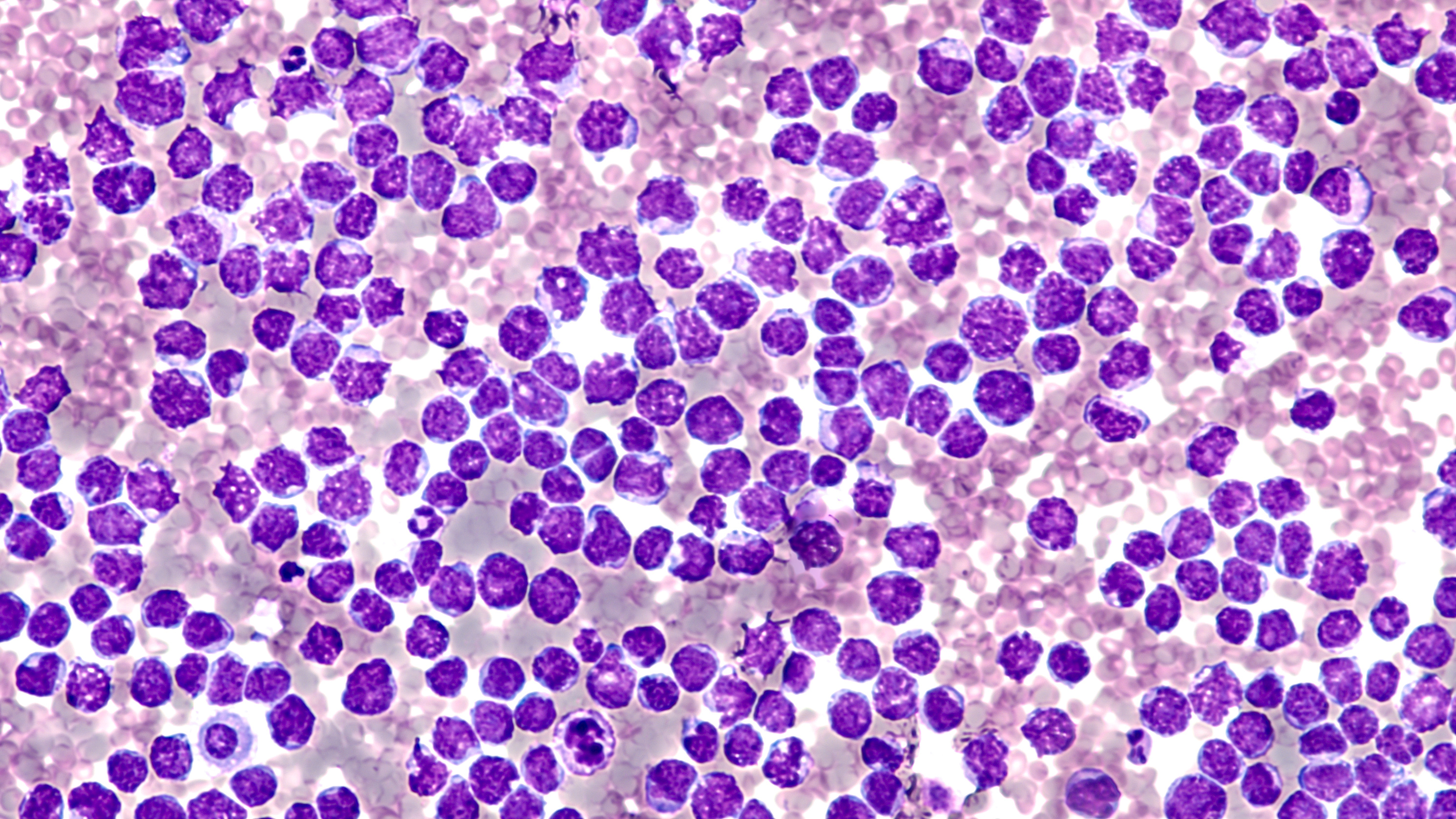
Long-Term Follow-Up of Three First-Line Regimens in Mantle Cell Lymphoma – The ASCO Post: Analyzing Durable Outcomes in B-Cell Malignancies
For patients diagnosed with Mantle Cell Lymphoma (MCL), the initial choice of therapy is perhaps the most critical decision in their clinical journey. Because MCL is characterized by its aggressive nature and a high propensity for relapse, the goal of first-line treatment has shifted from merely achieving a rapid response to ensuring a durable, long-term remission. Recent clinical data, specifically the Long-Term Follow-Up of Three First-Line Regimens in Mantle Cell Lymphoma – The ASCO Post analysis, provides a vital window into how different therapeutic strategies perform over extended periods, offering clinicians and patients a clearer roadmap for managing this complex disease.
The challenge with MCL lies in its biological resilience. While many patients respond well to initial chemotherapy and immunotherapy, the cancer often returns, sometimes in a more resistant form. Understanding the “tail of the curve”—the percentage of patients who remain in remission years after their first treatment—is the gold standard for determining the true efficacy of any regimen. This long-term perspective allows the medical community to move beyond short-term “objective response rates” and focus on the metrics that truly matter: progression-free survival (PFS) and overall survival (OS).
Understanding the Complexity of Mantle Cell Lymphoma
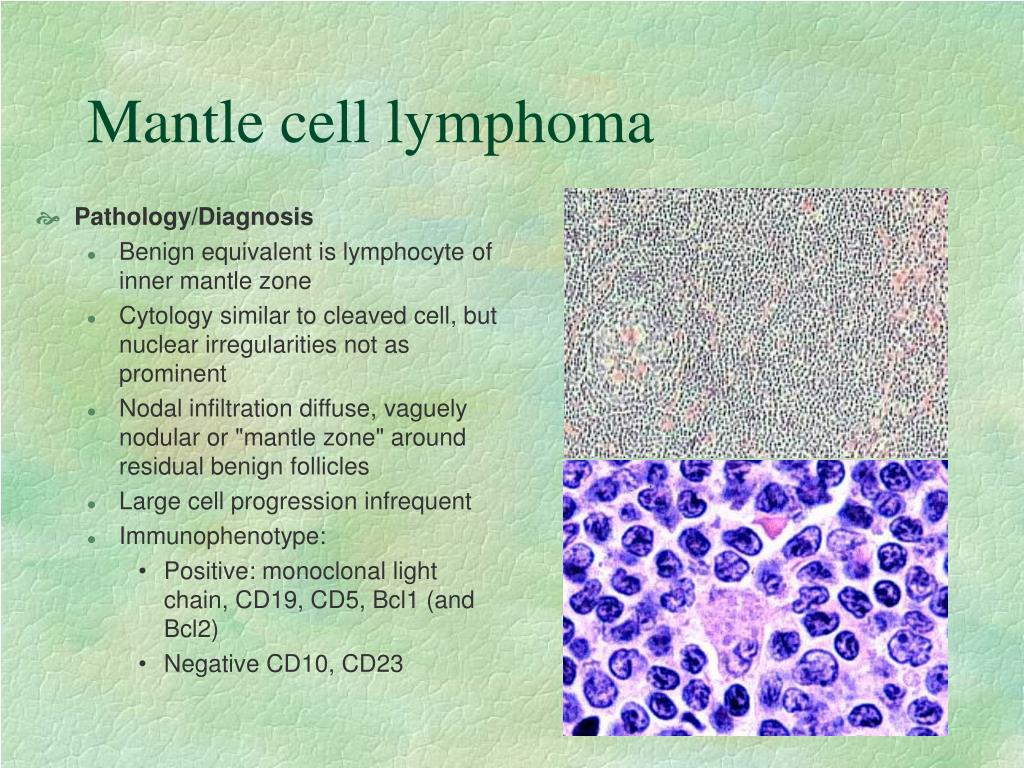
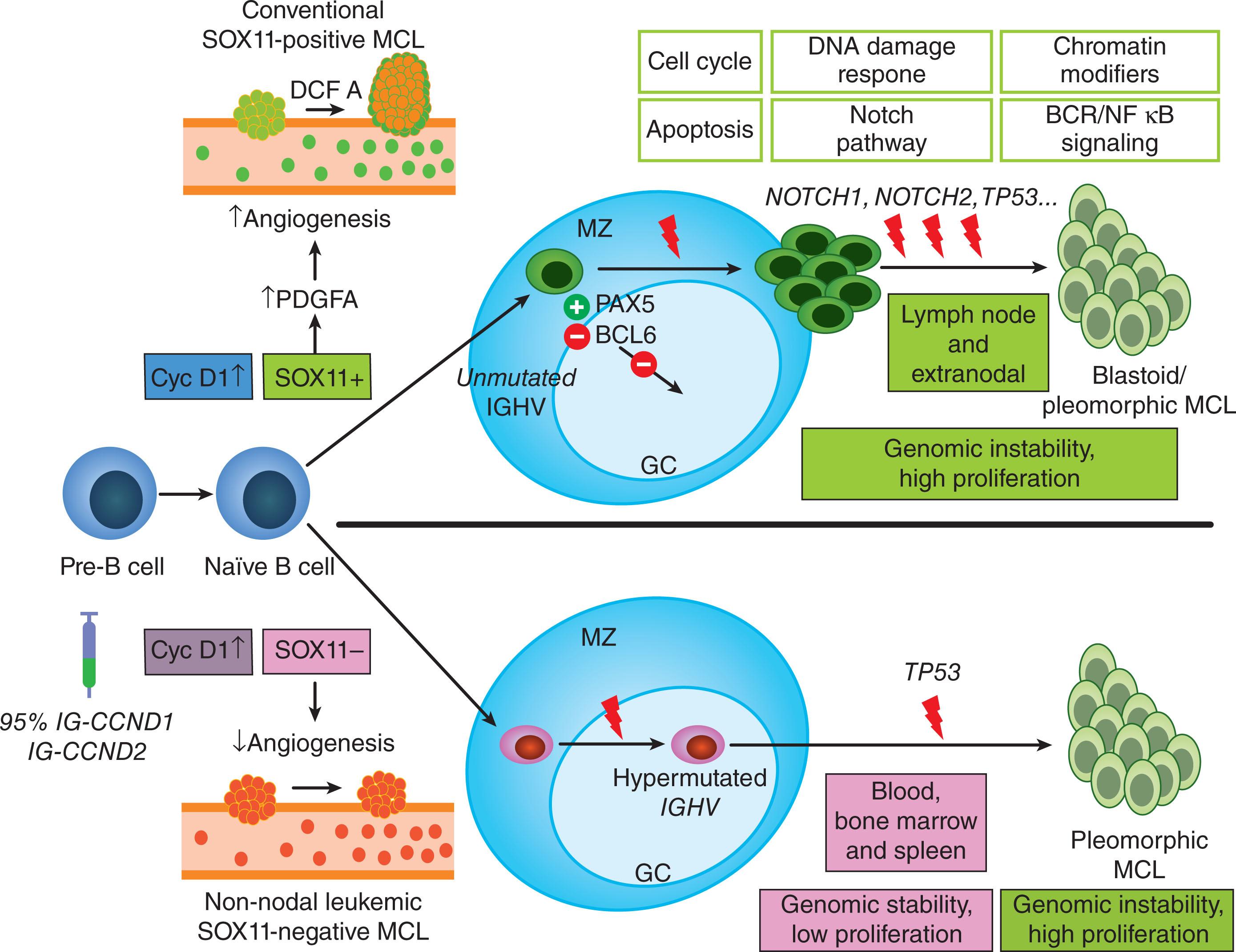
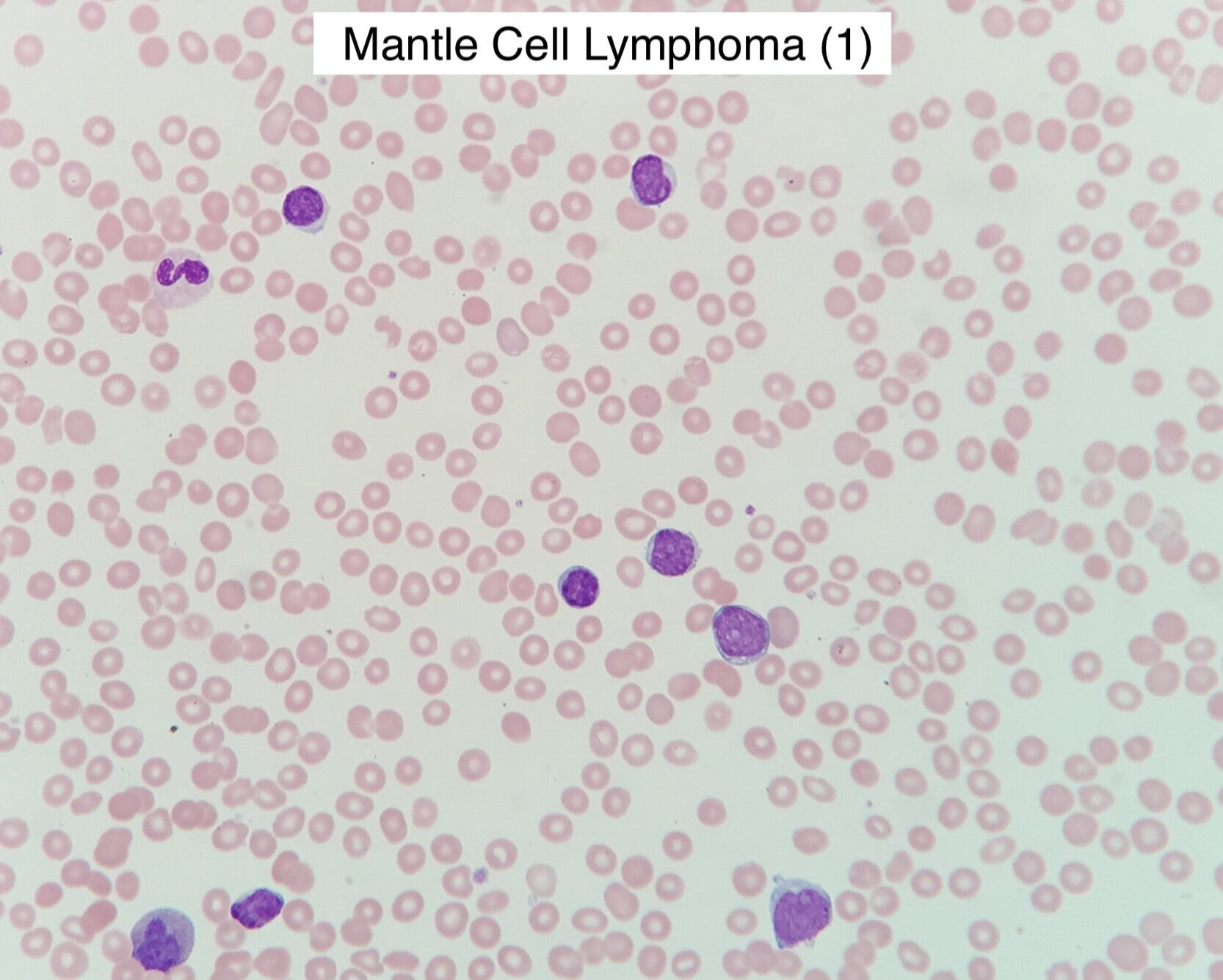
Mantle Cell Lymphoma is a rare but aggressive non-Hodgkin B-cell lymphoma. It originates in the mantle zone of the lymph node follicle and is most commonly associated with a specific genetic translocation, t(11;14), which leads to the overexpression of cyclin D1. This genetic driver pushes cells through the cell cycle rapidly, fueling the proliferation of malignant B-cells.
Historically, MCL was viewed as a disease with a poor prognosis, often treated with aggressive chemotherapy similar to that used for diffuse large B-cell lymphoma (DLBCL). However, the landscape changed with the introduction of monoclonal antibodies, specifically rituximab, which targets the CD20 protein on the surface of B-cells. The integration of these targeted therapies into first-line regimens has significantly improved the initial response rates, but the long-term struggle remains the prevention of relapse.
The Biological Drivers of Relapse
The reason long-term follow-up is so critical in MCL is rooted in the tumor’s heterogeneity. Some patients exhibit an “indolent” form of the disease, where a “watch and wait” approach is viable. However, the majority face an aggressive course. Relapse often occurs because a small population of cancer stem cells survives the initial onslaught of chemotherapy, eventually mutating or evolving to bypass the drugs’ mechanisms of action.
- Cyclin D1 Overexpression: Drives rapid cell division.
- BTK Pathway Activation: The Bruton’s tyrosine kinase pathway is often hyperactive, contributing to cell survival.
- TP53 Mutations: Mutations in the TP53 tumor suppressor gene are often linked to poorer responses to standard chemotherapy and shorter PFS.
The Strategic Comparison of First-Line Regimens
In the context of the Long-Term Follow-Up of Three First-Line Regimens in Mantle Cell Lymphoma – The ASCO Post data, the focus is on comparing different therapeutic philosophies. Generally, these regimens fall into three categories: intensive chemotherapy, moderate-intensity chemo-immunotherapy, and targeted-agent-based combinations.
1. Intensive Chemotherapy and Stem Cell Transplant
For decades, the “gold standard” for fit, younger patients was aggressive induction chemotherapy followed by an autologous stem cell transplant (ASCT). The logic was simple: hit the cancer as hard as possible to eliminate every possible malignant cell. While this approach often yielded the longest initial remissions, the toxicity—including severe immunosuppression and organ damage—was significant.
2. Moderate-Intensity Regimens (e.g., Bendamustine-Rituximab)
A shift toward “quality of life” led to the adoption of regimens like Bendamustine combined with Rituximab (BR). These are less toxic than intensive chemotherapy and provide high initial response rates. For many patients, particularly older adults or those with comorbidities, this approach offers a balanced trade-off between efficacy and tolerability.
3. Targeted Therapy and Novel Combinations
The emergence of BTK inhibitors (such as ibrutinib, acalabrutinib, and zanubrutinib) has revolutionized MCL treatment. These drugs target the signaling pathways the cancer needs to survive. When used as first-line therapy—either alone or in combination with other agents—they offer a different mechanism of action that doesn’t rely on the cytotoxic “cell-killing” approach of traditional chemotherapy.
| Regimen Type | Primary Goal | Typical Toxicity Level | Durability Profile |
|---|---|---|---|
| Intensive + ASCT | Deep, lasting remission | High (Severe) | High, but high risk of early toxicity |
| Moderate (BR) | Disease control / QoL | Moderate | Good initial response; variable long-term |
| Targeted (BTK inhibitors) | Chronic management | Low to Moderate | Highly durable; different relapse patterns |
Analyzing the Long-Term Data: What the Results Reveal
When analyzing the Long-Term Follow-Up of Three First-Line Regimens in Mantle Cell Lymphoma – The ASCO Post findings, several key trends emerge regarding how these treatments perform over five to ten years.
Progression-Free Survival (PFS) Trends
The data indicates that while intensive regimens may provide a “deep” response (complete remission), the gap in PFS between intensive and moderate regimens may be narrower than previously thought. For a subset of patients, the moderate-intensity approach provides a durable enough response that the added toxicity of a transplant is not justified. This suggests that “more” is not always “better” in the context of MCL.
The Impact of Overall Survival (OS)
Perhaps the most surprising insight from long-term follow-up is that overall survival often remains comparable across different first-line strategies. This is largely due to the availability of highly effective second- and third-line therapies. If a patient relapses after a moderate-intensity regimen, they can often be successfully transitioned to a BTK inhibitor or a CAR-T cell therapy. This “sequential therapy” model means that the first-line choice is less about “curing” the disease and more about managing the sequence of treatments to maximize the total lifespan.
“The evolution of MCL treatment is moving away from a ‘one-size-fits-all’ aggressive approach toward a personalized sequence of therapies, where the first-line choice preserves the patient’s health for future interventions.”
Clinical Implications and the Shift Toward Personalization
The results of long-term studies are fundamentally changing how hematologists approach the first-line treatment of MCL. The decision-making process is becoming more nuanced, focusing on the individual patient’s risk profile rather than a standard protocol.
Risk Stratification
Clinicians now use specific biomarkers to decide which of the three regimens is most appropriate. For instance, a patient with a TP53 mutation is unlikely to benefit from intensive chemotherapy, as these mutations often confer resistance to DNA-damaging agents. For these individuals, targeted therapies are prioritized from the start.
The “Toxicity Budget” Concept
There is an increasing recognition of the “toxicity budget.” Every aggressive treatment a patient undergoes depletes their physiological reserve. By choosing a more moderate first-line regimen, clinicians “save” some of that budget, allowing the patient to tolerate subsequent lines of therapy more effectively. This strategic pacing is a direct result of long-term follow-up data showing that survival is often a result of the entire chain of treatments rather than just the first one.
For further reading on how these strategies integrate into broader oncology trends, you may find a related explainer on personalized cancer medicine useful.
Common Misconceptions About MCL Treatment
In the wake of reports like the Long-Term Follow-Up of Three First-Line Regimens in Mantle Cell Lymphoma – The ASCO Post, several common myths persist that need to be addressed.
Myth 1: “The most aggressive treatment is always the best.”
As the long-term data shows, the most aggressive treatment (such as high-dose chemo + transplant) does not always lead to superior overall survival compared to moderate regimens, especially when subsequent targeted therapies are available. The goal is durable control, not necessarily maximum intensity.
Myth 2: “A relapse means the first treatment failed.”
In MCL, relapse is a characteristic of the disease, not necessarily a failure of the drug. Many patients experience long periods of remission followed by a relapse. The success of a first-line regimen is measured by how long it delayed the relapse and the condition of the patient when that relapse occurred.
Myth 3: “Targeted therapies are only for late-stage cancer.”
There is a growing movement to move BTK inhibitors into the first-line setting. Long-term follow-up is helping prove that starting with targeted therapy can, in some cases, provide a more stable long-term trajectory than starting with traditional chemotherapy.
The Future of First-Line Therapy in MCL
Looking ahead, the integration of long-term data is paving the way for “combination-first” strategies. Instead of choosing between chemotherapy or targeted therapy, researchers are exploring the use of both simultaneously in the first line.
The Rise of Dual-Targeting
Current trials are investigating the combination of BTK inhibitors with BCL-2 inhibitors (like venetoclax). By attacking the cancer cell’s survival signals and its “anti-death” mechanisms at the same time, researchers hope to create a synergy that leads to truly long-term, perhaps even permanent, remissions.
The Role of Minimal Residual Disease (MRD)
Long-term follow-up has highlighted the importance of MRD. MRD refers to the small number of cancer cells that remain in the body even after a patient is declared to be in “complete remission.” New technologies are allowing doctors to detect these cells via high-sensitivity flow cytometry or next-generation sequencing. The future of MCL treatment will likely involve using MRD as a trigger for “maintenance therapy,” where a low-dose drug is given to keep the cancer suppressed long after the initial regimen has ended.
| Emerging Strategy | Mechanism | Expected Impact |
|---|---|---|
| BTK + BCL-2 Combo | Double-hit on survival pathways | Extended PFS; deeper remissions |
| MRD-Driven Maintenance | Targeting occult residual disease | Prevention of clinical relapse |
| CAR-T First-Line | Engineered T-cells to kill B-cells | Potential for curative-intent outcomes |
Frequently Asked Questions
What is the primary goal of first-line treatment in Mantle Cell Lymphoma?
The primary goal is to achieve a deep response (complete remission) and extend the period of progression-free survival (PFS). Because MCL is prone to relapse, the focus is on choosing a regimen that provides the longest possible remission while preserving the patient’s health for future treatment options.
Why is “long-term follow-up” more key than “initial response rate”?
Initial response rates only tell us if the drug worked in the short term. However, many MCL patients respond initially but relapse quickly. Long-term follow-up reveals the durability of the response, showing which regimens actually keep the patient cancer-free for years, which is the more meaningful metric for survival.
How do doctors decide between intensive chemotherapy and moderate-intensity regimens?
The decision is based on several factors: the patient’s age, overall health (comorbidities), the aggressiveness of the lymphoma, and genetic markers (such as TP53 status). Fit, younger patients may be candidates for intensive therapy, while older patients or those with specific mutations may benefit more from moderate or targeted therapies.
Can a patient switch to targeted therapy if their first-line chemotherapy fails?
Yes. One of the key findings in long-term studies is that patients who relapse after chemotherapy often respond very well to BTK inhibitors. This ability to sequence different types of therapy is a major reason why overall survival has improved for MCL patients.
What are the most common side effects of the different first-line regimens?
Intensive chemotherapy often causes severe neutropenia (low white blood cell count), nausea, and fatigue. Moderate regimens like BR are generally better tolerated but can still cause immunosuppression. Targeted therapies (BTK inhibitors) have a different profile, potentially including atrial fibrillation, hypertension, or bruising.
As the medical community continues to refine the data surrounding the Long-Term Follow-Up of Three First-Line Regimens in Mantle Cell Lymphoma – The ASCO Post, the path forward is clear: the future of MCL care lies in the strategic, personalized sequencing of therapies. By balancing the intensity of the first strike with the necessity of long-term endurance, clinicians are turning a once-devastating diagnosis into a manageable chronic condition.
