
U-M Health Neurosurgeons Complete First Human Implant of Wireless Brain Computer Interface
Neurosurgeons at U-M Health have completed the first human implant of the Connexus wireless brain-computer interface, a device developed by Paradromics. According to reports from Business Wire and EurekAlert!, this first-in-human procedure is part of an early feasibility study designed to restore communication and speech for individuals with severe paralysis.
The procedure marks a significant milestone for Paradromics, a company positioned as a competitor to other high-profile BCI ventures like Neuralink. By successfully placing the Connexus system into a human subject, the University of Michigan team has moved the technology from the laboratory into a clinical setting, where researchers can now test the device’s ability to decode neural signals in real-time without the need for external wires protruding from the skull.
What is the Paradromics Connexus wireless BCI?
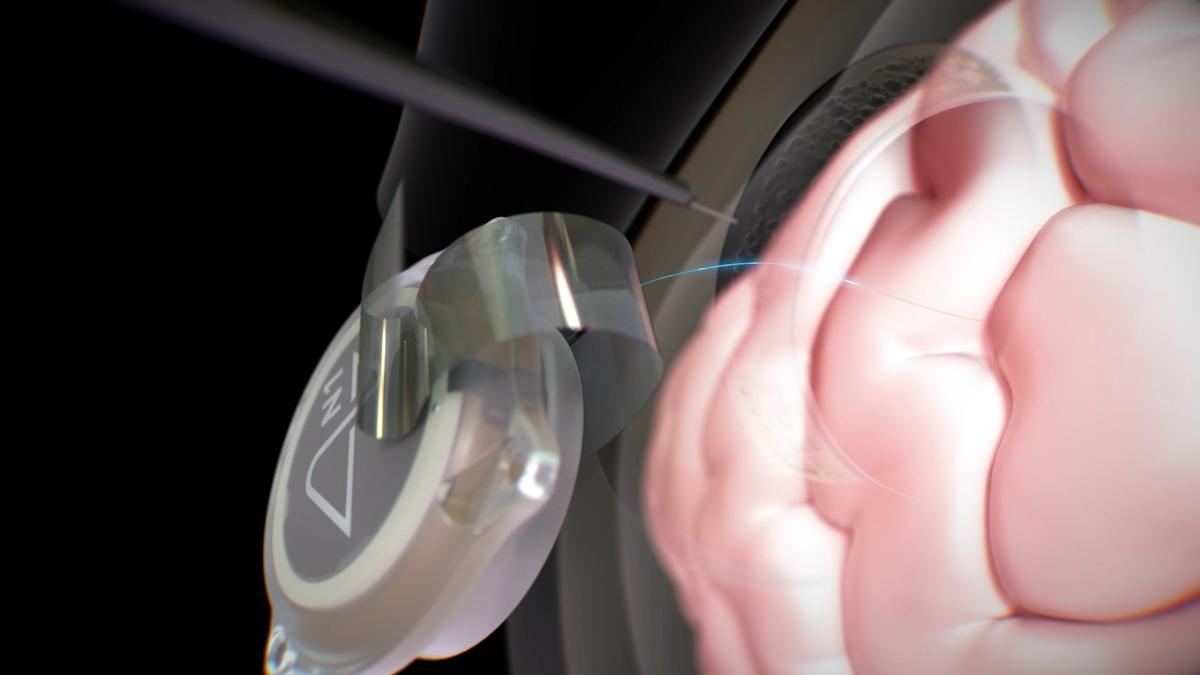
The Connexus system is a high-bandwidth brain-computer interface (BCI) that translates neural activity into digital commands. According to Business Wire, the device is specifically engineered to provide a wireless link between the brain and external software, removing the physical constraints associated with earlier generations of BCI technology. The primary objective of the current study is to enable patients who have lost the ability to speak or move—often due to amyotrophic lateral sclerosis (ALS) or spinal cord injuries—to communicate their thoughts through a computer interface.
Unlike traditional BCI systems that may require a “pedestal” or a physical plug implanted in the skull to transmit data to a computer, the Connexus system utilizes wireless transmission. This design reduces the risk of infection and allows the user more freedom of movement. According to MassDevice, the implant is part of an early feasibility study, which is a regulatory pathway used to evaluate the initial safety and basic functionality of a medical device in a small number of human subjects.
How the Connexus system functions
- Neural Sensing: The device uses an array of electrodes to detect electrical signals from neurons in the motor cortex.
- Wireless Transmission: Data is transmitted wirelessly from the implant to an external receiver, eliminating the need for percutaneous (through-the-skin) connections.
- Decoding: Machine learning algorithms analyze the patterns of neural firing to identify specific intentions, such as the desire to move a cursor or form a specific word.
- Output: The decoded intent is converted into text or synthetic speech, providing a communication channel for the patient.
How does the U-M Health implant differ from other BCIs?
The BCI landscape is currently characterized by a race to increase “bandwidth”—the amount of neural data that can be recorded and transmitted per second. Business Insider notes that Paradromics is a direct competitor to Elon Musk’s Neuralink. While both companies aim to create high-bandwidth, wireless interfaces, their technical approaches and clinical goals differ.
According to the provided reports, the Paradromics approach focuses heavily on the restoration of communication. While some BCIs target general motor control or sensory restoration, the Connexus system is being tested specifically for its ability to restore speech. This requires the device to capture a vast amount of data from the areas of the brain responsible for language and articulation.

| Feature | Traditional BCI (Wired) | Paradromics Connexus (Wireless) |
|---|---|---|
| Connection | Physical pedestal/wire through skin | Fully wireless transmission |
| Infection Risk | Higher due to open skin breach | Lower due to sealed implant |
| Mobility | Tethered to a computer/decoder | Potentially untethered/mobile |
| Primary Goal | Variable (Motor/Sensory) | Restoring communication/speech |
The use of a wireless system is a critical distinction. In previous clinical trials, such as those involving the Utah Array, patients were often limited to laboratory settings because the hardware required a physical connection to a large computer. The Connexus system aims to move these capabilities into the home, allowing patients to communicate in their daily environments.
Who is involved in the early feasibility study?
The project is a collaboration between the University of Michigan (U-M Health) and Paradromics. The surgical team at U-M Health provided the neurosurgical expertise required to place the electrodes with precision in the motor cortex, while Paradromics provided the hardware and software infrastructure.
According to MassDevice, the study is an “early feasibility study,” which means it is the first stage of human testing. These studies are not designed to prove the final efficacy of the device but to ensure that the implant is safe and that the surgical procedure is repeatable. The participants in such studies are typically individuals with profound disability who have few other options for restoring communication, making the potential benefit of the BCI outweigh the risks of brain surgery.
“The next step is restoring speech,” according to reporting by Business Insider, highlighting that the successful implant is merely the first phase of a longer clinical journey to achieve functional communication.
Why is wireless brain-computer interface technology significant?
The shift from wired to wireless BCIs represents a fundamental change in how medical devices interact with the human body. For decades, the “gold standard” for high-channel BCI research involved wires that passed through the scalp. This created a permanent wound that required constant care to prevent meningitis or other intracranial infections.
According to the technical goals outlined in the reports from EurekAlert! and Business Wire, the wireless nature of the Connexus system provides three primary advantages:
1. Reduction of Clinical Complications
By sealing the implant beneath the skin, neurosurgeons can eliminate the primary pathway for bacteria to enter the brain. This makes the device viable for long-term, multi-year use, rather than short-term laboratory experiments.
2. Patient Autonomy
A wireless interface allows the user to interact with software without being physically tethered to a workstation. This is a prerequisite for any BCI intended for commercial use or home health care, as it allows the patient to use the device while in bed, in a wheelchair, or in social settings.
3. High-Fidelity Data Collection
Wireless systems must solve the problem of power and heat. Transmitting large amounts of data wirelessly generates heat, which can damage brain tissue. The successful implant at U-M Health suggests that Paradromics has developed a method to manage the power-to-data ratio effectively enough for human safety.
For more on how these devices are regulated, you may find a related explainer on FDA early feasibility studies useful.
What are the challenges and misconceptions regarding BCIs?
Public perception of BCIs is often skewed by science fiction or the marketing of high-profile tech CEOs. However, the reality of the U-M Health and Paradromics study is grounded in specific medical necessity rather than “human enhancement.”
Common Misconceptions
- Mind Reading: BCIs do not “read thoughts” in a linguistic or conceptual sense. Instead, they detect the intent to move or speak. For example, if a patient imagines the movement of their tongue to say the letter “B,” the BCI detects that specific neural pattern and translates it into the letter “B.”
- Instant Fluency: The process is not immediate. According to the nature of BCI training, patients must undergo a “calibration” period where they spend hours or weeks training the machine learning algorithm to recognize their specific neural signatures.
- Universal Application: These devices are currently intended for patients with severe neurological impairment. They are not intended for the general population to “upload” knowledge or control devices via thought.
The primary challenge remaining for the Connexus system is “signal decay.” Over time, the body often forms scar tissue (gliosis) around the electrodes, which can insulate the sensor from the neurons and degrade the signal. The success of the Paradromics implant will depend not just on the first few weeks of operation, but on the stability of the wireless link over months and years.
How does this fit into the broader BCI industry?
The implant at U-M Health occurs amid a surge of investment in neural interfaces. For years, the field was dominated by academic institutions using the Utah Array. Recently, venture-backed companies have entered the space, aiming to productize the technology.
According to Business Insider, the competition between Paradromics and Neuralink is driving rapid iteration in device design. While Neuralink utilizes a robotic “sewing machine” to insert thin threads, Paradromics focuses on high-density arrays that can capture more data from a larger area of the cortex. This “high-bandwidth” approach is specifically tailored for the complexity of speech, which involves more intricate neural patterns than simple cursor movement.
The involvement of a major academic medical center like the University of Michigan provides a layer of clinical validation. By conducting the implant within a hospital system, Paradromics can ensure that the device is tested under rigorous medical oversight, focusing on patient safety and surgical viability.
What are the next steps for the Connexus device?
With the first human implant complete, the study now enters the data-collection phase. According to the objectives mentioned by Business Wire and MassDevice, the researchers will focus on the following milestones:
- Signal Verification: Confirming that the wireless transmitter is sending clean, noise-free neural data to the external receiver.
- User Calibration: Working with the patient to map specific neural firing patterns to specific letters, words, or commands.
- Communication Speed: Measuring the “bits per second” or words per minute the patient can produce, aiming to move closer to the speed of natural conversation.
- Long-term Stability: Monitoring the implant for any adverse reactions, such as inflammation or device migration, over an extended period.
If the early feasibility study meets its safety and functional endpoints, Paradromics will likely seek to expand the trial to more participants. This would move the device toward a pivotal trial, which is the final step required for FDA approval and widespread clinical availability.
For those interested in the ethics of neural implants, a related explainer on neuroethics and data privacy provides further context on the implications of brain-data collection.
Frequently Asked Questions
What is the main goal of the Paradromics Connexus implant?
The primary goal is to restore communication and speech for individuals with severe paralysis. By recording neural activity and translating it into digital text or speech, the device allows patients with conditions like ALS to communicate without physical movement.
Why is the University of Michigan involved in this study?
U-M Health provides the neurosurgical expertise and clinical environment necessary to perform the implant safely. The collaboration ensures that the device is tested in a controlled medical setting with professional oversight of the patient’s health.
How does a wireless BCI differ from a wired one?
A wireless BCI transmits data through the skin using radio frequency or similar technology, whereas a wired BCI requires a physical connector (pedestal) to remain in the skull. Wireless systems reduce infection risks and increase the patient’s mobility.
Is this technology available to the general public?
No. The Connexus system is currently in an early feasibility study. It is only available to a very small number of clinical trial participants who meet strict medical criteria. It is not a commercial product available for general use.
Who are the main competitors to Paradromics?
The most prominent competitor is Neuralink, though other companies and academic labs worldwide are developing similar brain-computer interfaces. Paradromics distinguishes itself through its focus on high-bandwidth data for speech restoration.
What are the risks associated with this brain implant?
As with any neurosurgery, risks include infection, bleeding in the brain, and potential reactions to the implanted materials. Additionally, there is the risk that the device may not successfully decode the patient’s neural signals or that the signal may degrade over time.
