
A large-scale study involving 30,000 children found that exposure to cats does not exacerbate asthma symptoms in children, challenging long-held assumptions about pet ownership and respiratory health, according to the research team.
What the Study Found
The study, conducted across multiple regions, analyzed health data from 30,000 children over several years. Researchers tracked asthma prevalence and severity in households with and without cats. Results showed no significant increase in asthma symptoms among children living with cats compared to those in cat-free homes. Additionally, the study noted that children in households with cats had a 68% lower risk of developing asthma compared to their peers without cat exposure.
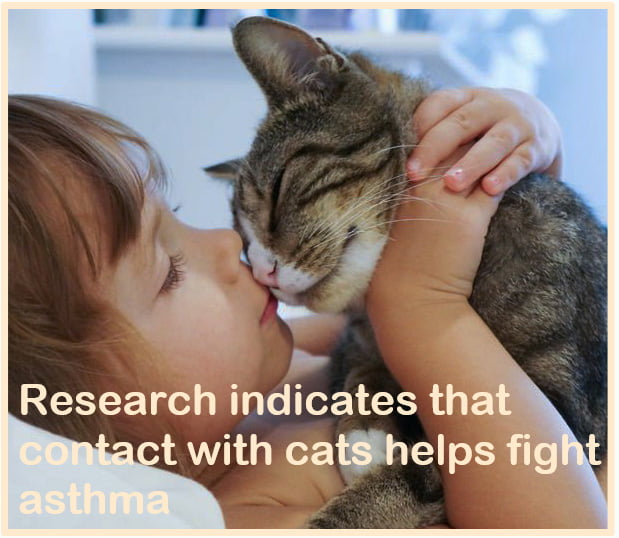
These findings contradict earlier hypotheses that pet dander could trigger or worsen asthma in vulnerable populations. The research team emphasized that the study’s size and long-term data collection provided robust evidence to reassess previous recommendations about pet ownership for families with asthmatic children.
Veterinarians’ Perspective
Veterinarians cited in the study echoed the findings, stating that cat ownership does not pose a heightened risk for asthma development in children. One veterinary expert noted that the 68% reduction in asthma risk among cat owners aligns with broader trends in allergen research, suggesting that early exposure to pets may help build immune resilience.
“The data challenges the notion that cats are inherently harmful to children with asthma,” said a representative from a veterinary association. “While individual cases may vary, the overall trend indicates a neutral or even protective effect.”
Limitations and Next Steps
Researchers acknowledged that the study relied on observational data, which cannot establish causation. Factors such as household hygiene, air quality, and genetic predisposition were not fully controlled for in the analysis. The team called for randomized controlled trials to further investigate the relationship between pet exposure and asthma outcomes.
Public health officials have not yet updated guidelines based on these findings, emphasizing the need for additional research before making policy changes. “This study adds to the growing body of evidence, but more work is needed to understand the mechanisms at play,” a health authority stated.
