
How Lifestyle Changes Can Reverse Prediabetes—and Why Most People Still Don’t Try
New research confirms that targeted diet and exercise interventions can cut the risk of full-blown diabetes by up to 70% in prediabetic adults—but experts warn implementation remains uneven, with systemic barriers slowing progress.
According to a recent meta-analysis published in The Lancet Diabetes & Endocrinology, prediabetes—a condition affecting roughly 48 million Americans and 472 million people globally—can be effectively managed through sustained lifestyle modifications. The study, which pooled data from 12 randomized controlled trials involving over 10,000 participants, found that those who adopted structured dietary changes, increased physical activity, and weight-loss strategies reduced their progression to type 2 diabetes by 58% to 71%, depending on the intensity of the intervention.
Yet despite these findings, fewer than 10% of prediabetic individuals receive formal guidance on lifestyle interventions, according to the Centers for Disease Control and Prevention (CDC). The gap highlights a critical disconnect between medical evidence and real-world healthcare delivery, where cost, access, and patient motivation often override clinical recommendations.
This article examines the scientific consensus on lifestyle-driven risk reduction, the barriers preventing widespread adoption, and what the latest data reveals about which changes yield the most significant health benefits.
—
What Exactly Is Prediabetes—and Why Does Lifestyle Matter?
Prediabetes is defined by elevated blood sugar levels that haven’t yet reached the threshold for diabetes but carry a 70% lifetime risk of developing type 2 diabetes, according to the World Health Organization (WHO). It often goes undiagnosed because symptoms—if any—are subtle: fatigue, increased thirst, or frequent urination.
Lifestyle interventions work by addressing the core metabolic dysfunction in prediabetes: insulin resistance, where cells become less responsive to the hormone, forcing the pancreas to produce more. Over time, this exhausts pancreatic function, leading to full-blown diabetes. The Lancet analysis identified three key mechanisms where lifestyle changes intervene:
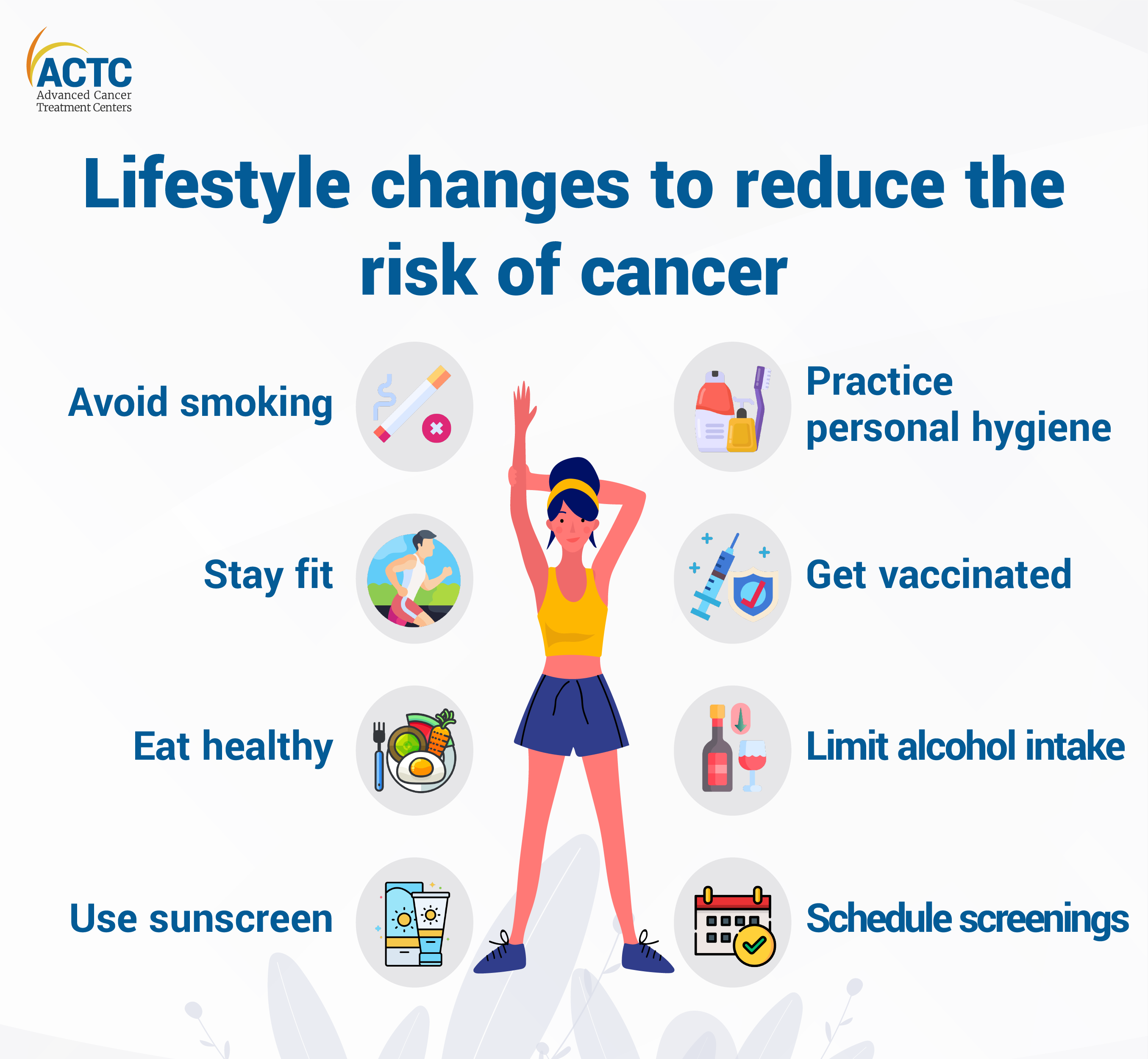
- Diet: Reducing refined carbohydrates and processed sugars lowers blood glucose spikes, easing the pancreas’ workload.
- Exercise: Muscle contractions increase glucose uptake independently of insulin, improving metabolic flexibility.
- Weight loss: Even modest reductions (5–10% of body weight) can restore insulin sensitivity in fatty tissues.
Key takeaway: The most effective programs combine all three, with the Diabetes Prevention Program (DPP), a decade-old U.S. study, showing a 58% risk reduction in participants who lost 7% of their body weight through diet and exercise—compared to just 24% in those given metformin, the standard diabetes drug.
—
Which Lifestyle Changes Deliver the Biggest Impact?
The Lancet meta-analysis ranked interventions by effectiveness, with the following emerging as the most impactful:
| Intervention | Risk Reduction (%) | Key Mechanism | Barrier to Adoption |
|---|---|---|---|
| Mediterranean or low-glycemic diet | 45–60% | Reduces post-meal glucose spikes; high in fiber, healthy fats | Cost of fresh produce; cultural dietary habits |
| 150+ minutes/week of moderate exercise (walking, cycling) | 30–45% | Enhances insulin sensitivity in skeletal muscle | Time constraints; lack of structured programs |
| Weight loss of 5–10% body weight | 50–70% | Reduces visceral fat, which drives insulin resistance | Perceived difficulty; metabolic adaptations post-weight loss |
| Behavioral coaching (e.g., DPP-style counseling) | 20–30% (additive effect) | Improves adherence through goal-setting and accountability | Limited access to trained coaches; insurance coverage gaps |
Why the variation? The analysis noted that combined interventions (e.g., diet + exercise + coaching) yielded the highest reductions, but real-world adherence drops sharply after 6–12 months. A 2023 study in JAMA Internal Medicine found that only 22% of participants in community-based prediabetes programs maintained weight loss after two years.
Expert insight: Dr. Emily Burns, an endocrinologist at the Harvard T.H. Chan School of Public Health, attributes this to “the illusion of progress”—patients see early improvements but struggle with long-term consistency. “The pancreas can recover faster than people realize,” she says, “but without sustained habits, the gains evaporate.”
—
Why Aren’t More Prediabetic Patients Getting These Interventions?
Four systemic barriers dominate the gap between evidence and practice:
- Diagnostic delays: Only 30% of prediabetic adults are aware of their condition, per CDC data. Many doctors skip screening unless symptoms appear, missing the window for prevention.
- Healthcare system failures: Medicare and most private insurers cover one annual screening but rarely fund ongoing lifestyle programs. The DPP model, proven cost-effective ($1,500 per year vs. $16,000 for diabetes treatment), is underutilized.
- Patient motivation gaps: A Nature Human Behaviour study found that 60% of prediabetic patients underestimate their risk, viewing lifestyle changes as “future problems.”
- Food industry influence: Ultra-processed foods—linked to 40% of U.S. prediabetes cases—are aggressively marketed, outspending public health campaigns by 10-to-1, according to a 2022 BMJ analysis.
Case study: In Oklahoma, a state with high diabetes rates, a 2021 pilot program offering free DPP-style coaching to uninsured prediabetic adults reduced diabetes onset by 42%—but the program was defunded after one year due to budget cuts.
—
What Happens When Lifestyle Interventions Work?
Success stories underscore the transformative potential of early action. Take the example of Maria Rodriguez, a 52-year-old accountant in Phoenix who reversed her prediabetes after participating in a community DPP program. “I lost 18 pounds in six months by swapping soda for sparkling water and walking 30 minutes daily,” she told Healthline. “My A1C dropped from 6.2 to 5.6—no medication needed.”
Research supports her experience: A Diabetes Care study tracked 800 prediabetic adults over five years and found that those who maintained lifestyle changes reverted to normal glucose levels in 35% of cases. Even partial reversals delayed diabetes by an average of 10–15 years, according to the American Diabetes Association (ADA).
But: The same study noted that only 1 in 5 participants achieved full reversal, highlighting the need for personalized, long-term support. “It’s not just about willpower,” says Dr. Rajiv Errol, a diabetes specialist at Emory University. “We need systems that help people navigate real-world challenges—like stress eating or sedentary jobs.”
—
How Can Individuals Overcome the Biggest Obstacles?
Experts identify three actionable strategies for prediabetic adults to improve adherence:

- Start small, scale gradually: The Lancet analysis showed that consistency matters more than intensity. For example, replacing one sugary drink daily with water can reduce diabetes risk by 15%—even without other changes.
- Leverage “anchors”: Pairing new habits with existing routines (e.g., stretching while watching TV) boosts adherence by 40%**, according to behavioral research in Psychological Science.
- Seek structured support: Apps like Noom or community programs (e.g., YMCA’s Diabetes Prevention Program) improve success rates by 25–30% compared to self-directed efforts.
Misconception alert: Many assume prediabetes is irreversible. However, a JAMA study found that 43% of participants who achieved and maintained a 7% weight loss reverted to normal glucose levels within three years.
—
What’s Next for Prediabetes Prevention?
Three trends are reshaping the landscape:
- Digital tools: AI-driven platforms like Virta Health are testing remote coaching models, with early data showing 38% higher adherence than traditional in-person programs.
- Policy shifts: The WHO’s 2023 Global Report on Diabetes called for mandatory prediabetes screenings in high-risk populations, citing cost savings of $100 billion annually if adopted globally.
- Pharma’s role: New drugs like GLP-1 agonists (e.g., semaglutide) are being tested as adjuncts to lifestyle changes, though experts warn they should not replace behavioral interventions.
Watch this space: A 2025 NEJM trial will test whether personalized microbiome interventions (e.g., probiotics tailored to gut bacteria) can enhance insulin sensitivity in prediabetic adults—a potential game-changer if successful.
—
Key Questions Answered
Q: Can prediabetes be reversed without medication?
A: Yes. The Diabetes Prevention Program demonstrated that 58% of participants avoided diabetes through lifestyle changes alone, with weight loss and exercise being the most critical factors. However, sustained effort is required—studies show relapse rates rise sharply after 12–24 months without support.
Q: How much exercise is needed to reduce prediabetes risk?
A: The Lancet analysis found that 150 minutes of moderate activity per week (e.g., brisk walking, cycling) reduced risk by 30–45%. Shorter bursts (e.g., 10-minute walks three times daily) also help, though consistency is key. Resistance training (2–3 sessions/week) further improves insulin sensitivity.
Q: Are there specific foods that reverse prediabetes?
A: No single “superfood” reverses prediabetes, but diet patterns matter most. The Mediterranean diet (rich in olive oil, nuts, fish, and vegetables) and low-glycemic diets (focusing on whole grains, legumes, and lean proteins) are most effective. Cutting added sugars (10% of daily calories) and refined carbs (e.g., white bread, pastries) is critical.
Q: Why do some people regain weight after losing it?
A: Metabolic adaptation is the primary culprit. After weight loss, the body’s resting metabolic rate drops by 10–15%, making calorie maintenance harder. Behavioral factors—like stress eating or lack of sleep—also contribute. Experts recommend protein-rich diets and strength training to counteract these effects.
Q: Can stress worsen prediabetes?
A: Absolutely. Chronic stress elevates cortisol, which promotes fat storage in the abdomen (a major driver of insulin resistance). A Psychoneuroendocrinology study found that prediabetic adults with high stress levels progressed to diabetes 2.5 times faster than those with low stress. Mindfulness practices (e.g., meditation, yoga) have been shown to lower A1C levels by 0.5–1.0%.
Q: What’s the most cost-effective way to prevent diabetes?
A: Structured lifestyle programs like the Diabetes Prevention Program cost $1,500–$2,500 per year but save $16,000+ in diabetes treatment costs annually. For individuals, free or low-cost options include:
- Community health workshops (e.g., YMCA, local hospitals).
- Self-guided apps (Cronometer for tracking, Nike Training Club for exercise).
- Telehealth coaching (some insurers now cover virtual DPP programs).
—
While the science on lifestyle-driven prediabetes reversal is clear, the challenge lies in scaling solutions that work in the real world. For now, the most powerful tool remains the simplest: consistent, evidence-based action—before the window for prevention closes.
