Wildlife health monitoring in France’s Creuse region is serving as a critical early-warning system, bridging the gap between animal ecology and human public health. By systematically tracking diseases in wild populations, health authorities aim to detect emerging pathogens before they can trigger larger outbreaks in livestock or jump to human populations.
- Zoonotic Detection: Identifying pathogens capable of crossing from wildlife to humans.
- Biodiversity Protection: Monitoring the health of wild species to prevent population collapses.
- Agricultural Safeguards: Preventing the transmission of wildlife diseases to domestic livestock.
- One Health Integration: Applying a holistic approach that links human, animal, and environmental health.
The One Health Framework
The monitoring efforts in Creuse are grounded in the One Health approach, a collaborative, multisectoral framework that recognizes the interconnection between people, animals, and their shared environment. Because many emerging infectious diseases are zoonotic—meaning they originate in animals—surveillance of wildlife acts as a sentinel system.
According to public health authorities, this integrated strategy allows for a more proactive response to health threats. Instead of reacting to a human outbreak, officials can identify the circulation of a virus or bacteria in the wild, enabling them to implement preventative measures and increase clinical vigilance in the human healthcare system.
Targeting Emerging Pathogens
The surveillance programs focus on a variety of threats that could impact both the ecosystem and the local economy. This includes monitoring for highly pathogenic avian influenza, which threatens bird populations and poultry farms, as well as other viral and bacterial agents that can migrate across species boundaries.
By analyzing samples from deceased animals or those showing clinical signs of illness, veterinary services and researchers can map the prevalence of specific diseases. This data is essential for understanding how pathogens move through different habitats and which species act as primary reservoirs for infection.
Methods of Wildlife Surveillance
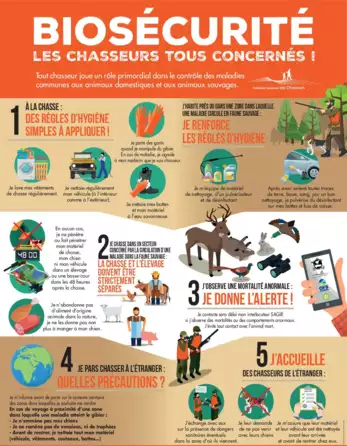
The process relies on a combination of active and passive surveillance. Passive surveillance involves the reporting of dead or sick animals found by the public or hunters, while active surveillance involves targeted sampling and systematic health checks of specific wildlife populations.
Once a sample is collected, it undergoes laboratory analysis to identify the presence of pathogens. These findings are then integrated into a broader regional health database, allowing officials to track the movement of diseases in real-time and identify “hotspots” of infection.
Limitations and Collaborative Needs
While the monitoring in Creuse is highly relevant, the effectiveness of such programs often depends on the consistency of reporting and the availability of laboratory resources. The scale of wildlife populations means that not every infection is captured, and there is often a lag between the emergence of a pathogen in a remote wild population and its detection by health services.
To address these gaps, health officials emphasize the need for continued collaboration between field veterinarians, biologists, and public health analysts. This interdisciplinary cooperation ensures that data collected in the forest or field is translated into actionable public health guidance.
