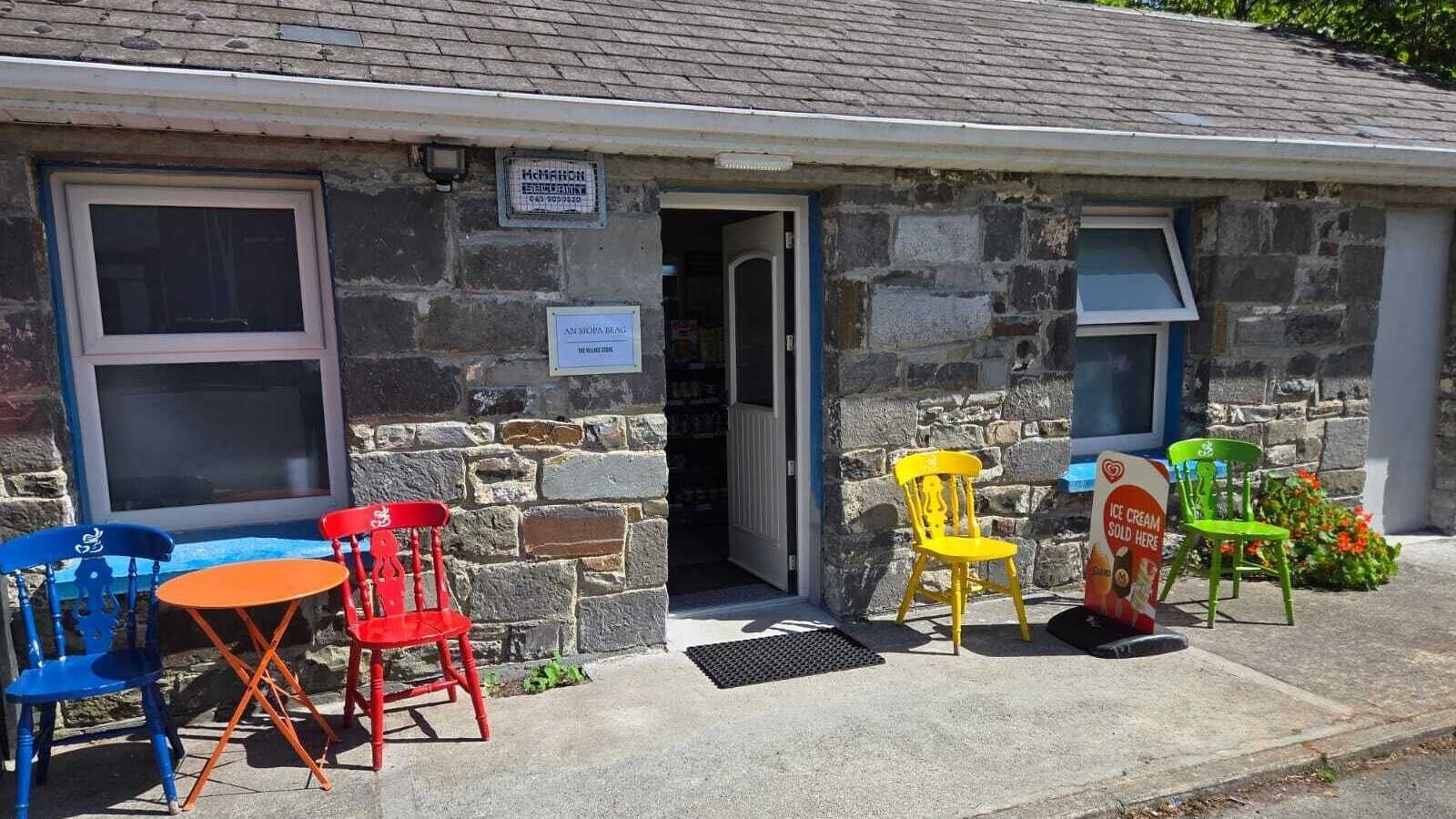
Shop opens after 18-month absence in Loop Head village – RTE.ie
The quiet streets of the Loop Head Peninsula have found their pulse once again. In a move that has sparked widespread celebration among residents and visitors alike, a local shop has officially reopened its doors after an 18-month absence in Loop Head village – RTE.ie reporting highlighting the return of a critical lifeline for this remote coastal community. For a village perched on the edge of the Atlantic, the closure of a primary retail outlet is more than a mere commercial inconvenience. it is a disruption of the social fabric and a challenge to the viability of rural living.
The reopening marks the end of a period of significant hardship for the local population, who for a year and a half had to travel considerable distances for basic necessities. In the context of rural Ireland, where public transport is often sparse and the elderly population is disproportionately affected by the loss of local services, the return of a village store is viewed as a victory for community resilience and a vital step toward sustainable regional development.
The Impact of the 18-Month Void
To understand why the return of a single shop is being treated as a major milestone, one must examine the profound impact of its absence. For 18 months, the residents of the Loop Head area faced what urban planners often describe as a “service desert.” When the local store shuttered, the immediate result was the loss of convenience, but the long-term effects were far more insidious.
The Logistics of Survival: For those without private transport, the loss of the shop meant a total reliance on neighbors, family, or infrequent transport links. Simple tasks, such as purchasing a pint of milk or a newspaper, became planned excursions requiring significant coordination. This logistical burden fell most heavily on the elderly and those with limited mobility, increasing their sense of isolation.
The Erosion of Social Capital: In small Irish villages, the local shop serves as the “third place”—a space between home and work where community bonds are forged. It is where news is exchanged, health checks are informally performed on neighbors, and the social cohesion of the village is maintained. The 18-month closure didn’t just remove products from shelves; it removed a primary site of social interaction.
“A village shop is the heartbeat of a rural community. When it stops beating, the village feels less like a living entity and more like a collection of houses. Its return is a signal that the community is still viable and valued.”
Timeline of the Closure and Recovery
| Phase | Duration/Status | Community Impact |
|---|---|---|
| Initial Closure | Month 1 – 3 | Shock and temporary reliance on neighboring towns. |
| The “Adjustment” Period | Month 4 – 12 | Increased travel costs; heightened isolation for vulnerable residents. |
| The Search for Solutions | Month 13 – 17 | Community discussions and efforts to attract new investment. |
| The Reopening | Month 18+ | Restoration of essential services and social revitalization. |
The Economic Geography of Loop Head
Loop Head is not a typical village; it is a destination. Situated on the westernmost fringes of County Clare, it is a cornerstone of the Wild Atlantic Way, attracting thousands of tourists annually who come to witness the rugged cliffs and the historic lighthouse. This creates a unique economic duality: the “Seasonal Surge” and the “Winter Lull.”
For a business owner, this duality presents a significant risk. The profitability of the summer months must sustain the operation through the harsh, quiet winters. The 18-month gap in service likely reflected these systemic pressures, where the cost of maintaining a year-round presence in such a remote location often outweighs the immediate financial returns.
Challenges Facing Rural Retailers
- Supply Chain Logistics: Transporting fresh produce to the edge of the peninsula is more expensive and time-consuming than in urban centers.
- Demographic Shifts: A declining permanent population in rural areas reduces the consistent, baseline revenue needed for stability.
- Competition from Super-Centres: The rise of large-scale retail hubs in larger towns encourages “one-stop shopping,” leading residents to bypass local stores even when they are available.
- Operating Costs: Rising energy prices and insurance premiums hit small-scale rural operators harder than corporate chains.
Why This Reopening Matters for Rural Sustainability
The fact that a shop opens after 18-month absence in Loop Head village – RTE.ie news is a testament to the enduring necessity of local commerce. Beyond the sale of goods, the presence of a shop acts as a catalyst for other forms of economic activity. When a store is open, people stop in the village; they may visit a nearby cafe, a B&B, or a local craft shop. This “clustering effect” is essential for the survival of small tourist economies.
the reopening addresses a critical issue of food security and accessibility. In the event of severe weather—common on the West Coast of Ireland—roads can become blocked or dangerous. Having a local source of food and essential supplies is not just a convenience; it is a matter of safety and resilience for the residents of the peninsula.
The Psychological Shift
There is also a powerful psychological component to this event. A closed shop window is a symbol of decline; a welcoming “Open” sign is a symbol of hope. For the youth of the village, seeing a business succeed in their hometown provides a counter-narrative to the idea that the only path to success is migration to cities like Limerick, Galway, or Dublin.

Comparing Loop Head to Other Rural Trends in Ireland
The situation in Loop Head mirrors a wider trend across the Irish countryside. Many villages have seen their post offices and general stores vanish, leading to a movement toward Community-Owned Shops. In several parts of the country, when private owners exit, the community raises funds to buy the premises and run the store as a cooperative.
While the Loop Head reopening may follow a traditional commercial model, it highlights the ongoing debate regarding the role of the state in supporting rural infrastructure. Critics argue that the market alone cannot sustain these shops and that government subsidies or “rural viability grants” are necessary to ensure that the most remote citizens are not left behind.
Key points regarding rural business viability:
- Diversification: Successful rural shops now often combine retail with postal services, coffee shops, or parcel collection points.
- Digital Integration: Some stores are using “click and collect” or local delivery apps to reach residents who cannot travel.
- Tourism Synergy: Leveraging the Wild Atlantic Way brand to attract high-spending visitors to supplement local sales.
The Social Ripple Effect: Beyond the Checkout Counter
The reopening of the shop will likely trigger a series of positive social ripples throughout the village. We can expect to see an increase in “incidental encounters”—those unplanned conversations that maintain the social bonds of a community. For a retiree who may not have spoken to anyone for several days, the trip to the shop is a vital mental health intervention.
the shop serves as an informal information hub. In an era of digital noise, the local store remains the place where the most accurate, localized information is shared: weather warnings, community meeting notices, and local news. This organic information network is irreplaceable by social media, as it is built on trust and long-term personal relationships.
Potential for Future Growth
With the store back in operation, there is an opportunity for the village to expand its offerings. The return of a retail anchor often encourages other entrepreneurs to take a risk. We may see the introduction of:
- Local Produce Markets: Dedicated space for farmers and artisans from the peninsula to sell their wares.
- Tourist Information Kiosks: Integrating the shop as a primary point of contact for visitors exploring Loop Head.
- Community Hub Services: Providing basic internet access or administrative services for residents.
Addressing Common Misconceptions About Rural Retail
A common misconception is that the internet and e-commerce have made the village shop obsolete. While it is true that many people order non-perishables online, the “last mile” of delivery to a place like Loop Head is often inefficient and expensive. More importantly, e-commerce cannot replace the immediate need for a fresh loaf of bread or the human need for social connection.
Another oversimplification is that rural shops fail simply due to a lack of customers. In reality, failure is often a result of “margin squeeze”—where the cost of sourcing and transporting goods to a remote area eats away at the small profit margins available on basic commodities. The success of the reopened shop will depend not just on footfall, but on a sustainable supply chain and a willingness to adapt to modern consumer habits.
Frequently Asked Questions
Why was the shop in Loop Head closed for 18 months?
While specific business reasons are often private, rural shop closures are typically driven by a combination of high operating costs, supply chain difficulties in remote areas, and the challenge of maintaining profitability during the off-peak winter season.
How does the reopening affect tourism in the Loop Head area?
The reopening provides essential amenities for tourists visiting the Wild Atlantic Way. It enhances the visitor experience by providing food, drink, and supplies, which in turn encourages tourists to spend more time and money within the local village economy.
What is the significance of the “18-month absence” mentioned in the news?
Eighteen months is a significant period in a small community. It represents a long-term gap in essential services that forced residents to change their daily habits and increased the vulnerability of the elderly and those without transport.
Can other Irish villages replicate this success?
Yes, though it often requires a combination of entrepreneurial spirit, community support, and sometimes a diversified business model (such as adding a café or postal services) to ensure year-round viability.
Where is Loop Head located?
Loop Head is a peninsula located at the westernmost tip of County Clare in Ireland, known for its dramatic cliffs, lighthouse, and its position along the Wild Atlantic Way.
As the doors swing open once more, the village of Loop Head does more than just regain a place to buy groceries. It regains a sense of permanence and a commitment to the future. The journey from a closed shutter to a bustling storefront is a journey of resilience, proving that even in the most remote corners of the coast, the desire for community and local connection remains an unbreakable force. The eyes of the region will now be on the store to see how it navigates the coming seasons, serving as a bellwether for the health of rural commerce in the West of Ireland.
