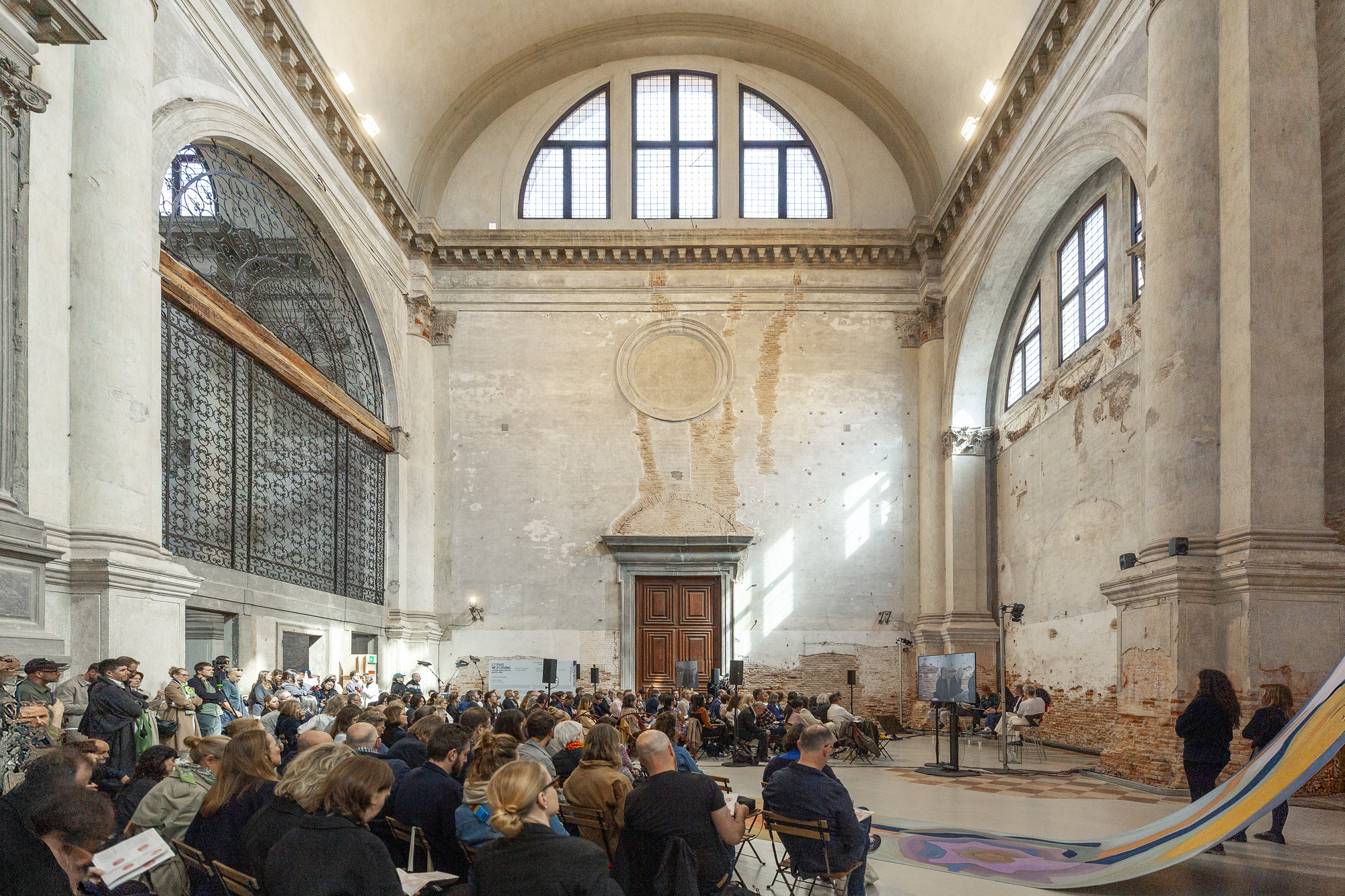
Architecture Awards Must Evolve: A Debate on Their Role and Responsibility at the UIA World Congress 2026
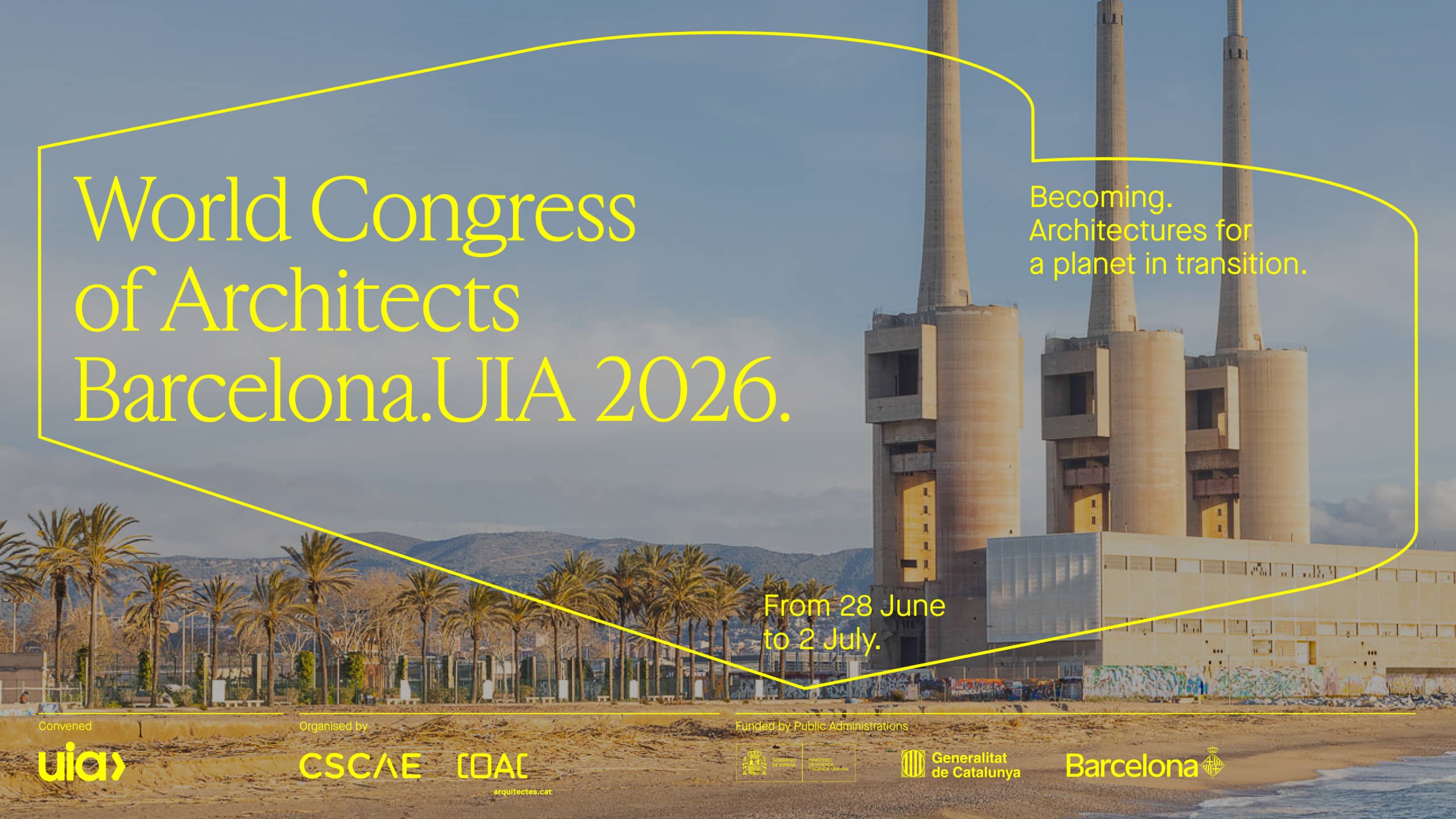
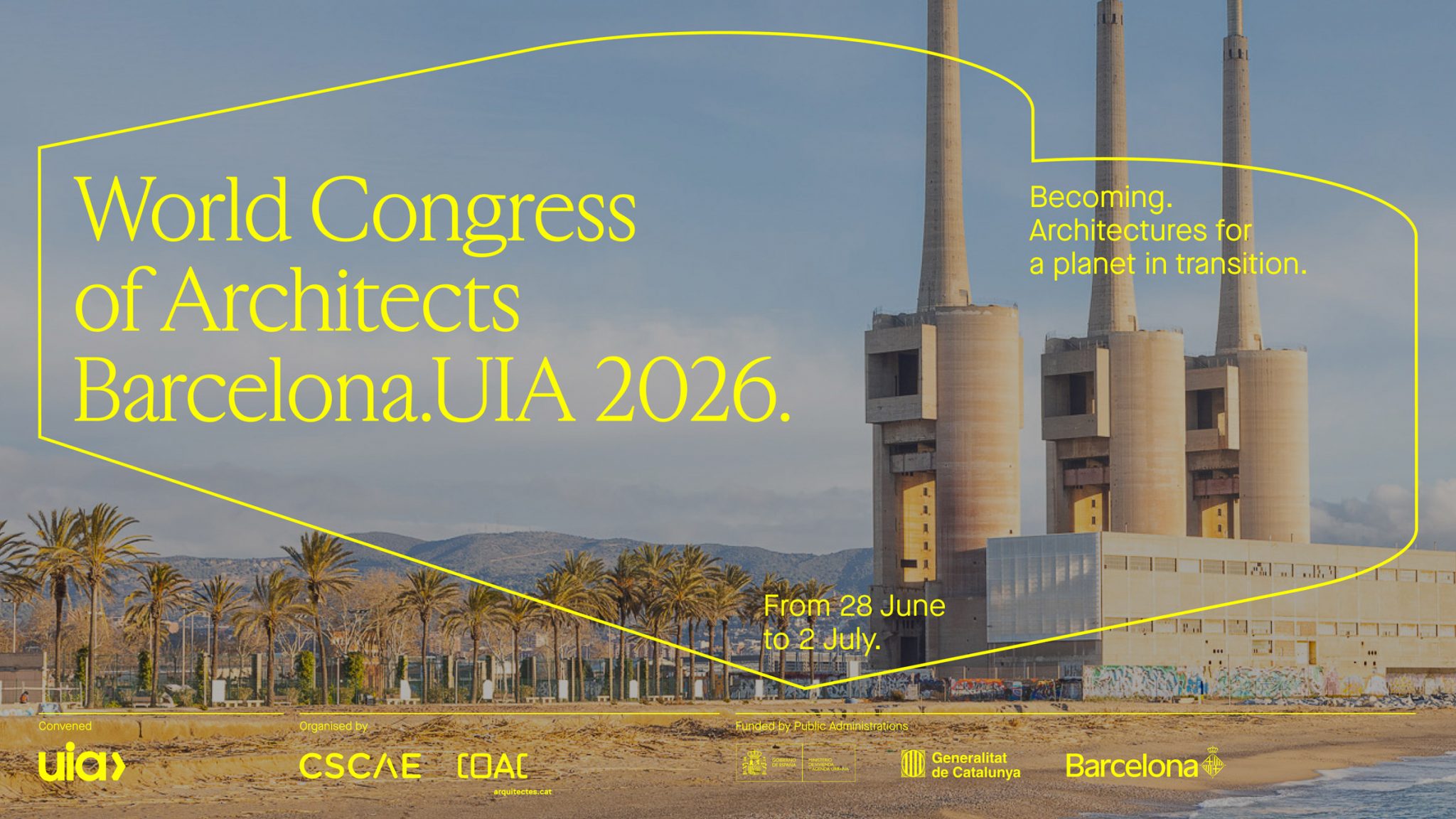
The International Union of Architects (UIA) will host a critical debate on the evolution of professional recognition at the UIA World Congress 2026. The discussion centers on whether architecture awards must evolve to prioritize environmental responsibility and social impact over traditional aesthetic prestige, according to event planning and industry discourse.
Why the UIA World Congress 2026 is Questioning Architectural Recognition
The UIA World Congress 2026 arrives at a moment of systemic tension within the global design community. For decades, architecture awards have functioned as the primary mechanism for establishing professional prestige and market value. However, the UIA is now facilitating a debate on whether these honors still serve the public interest or merely reinforce a legacy of “starchitecture” and visual spectacle.
According to reports on the congress’s objectives, the core of the issue is a misalignment between what the industry celebrates and what the planet requires. While many awards continue to prize formal innovation and “iconic” geometry, the urgent demands of the climate crisis and urban inequality suggest that “excellence” should be redefined. The debate at the UIA World Congress 2026 aims to determine if the role of the award is to reward the architect’s vision or the building’s actual performance in the real world.
Key points of contention include:
- The “Image” Bias: The tendency for juries to judge projects based on high-end photography rather than long-term operational data.
- Metric Failure: A lack of standardized requirements for carbon footprint reporting in award submissions.
- Social Exclusion: The marginalization of low-cost, high-impact community projects that lack the budget for professional marketing.
The Conflict Between Aesthetics and Environmental Responsibility
A central theme of the “Architecture Awards Must Evolve: A Debate on Their Role and Responsibility at the UIA World Congress 2026 – ArchDaily” discourse is the tension between beauty and sustainability. Historically, architectural prizes have focused on the “object”—the building as a piece of sculpture. Critics argue that this approach is no longer tenable in an era of ecological collapse.
Industry observers note that a building can be visually stunning while remaining an environmental disaster. When an award is granted based on a “bold” concrete facade without analyzing the embodied carbon of that material, the award effectively endorses unsustainable practices. The UIA debate seeks to shift the responsibility of the award-giver from being a curator of beauty to being a validator of ethics.

This shift requires a move toward performative criteria. Instead of asking “Does this look innovative?”, juries would be required to ask “How much carbon did this save?” or “How did this project improve the local biodiversity?” By changing the criteria for winning, the UIA suggests that the entire direction of global construction could be steered toward more responsible outcomes.
| Traditional Award Criteria | Proposed Evolved Criteria |
|---|---|
| Formal Innovation & Aesthetics | Lifecycle Carbon Assessment |
| Architectural “Signature” Style | Social Equity & Community Impact |
| Visual Impact (Photography) | Post-Occupancy Performance Data |
| Novelty of Materials | Circular Economy & Material Reuse |
How ‘Starchitecture’ Influences Award Outcomes
The phenomenon of “starchitecture”—the elevation of a few celebrity architects to global prominence—has long been fueled by the award circuit. According to industry analysis, a small circle of firms often dominates the most prestigious prizes, creating a feedback loop where the fame of the architect guarantees the win, regardless of the project’s actual utility or sustainability.
This concentration of prestige often ignores the “quiet” architecture that solves complex social problems. Small-scale interventions, adaptive reuse of existing structures, and vernacular designs often fail to capture the attention of juries looking for a “statement” piece. The UIA World Congress 2026 debate will examine how to decouple professional recognition from celebrity culture.
The implication is a move toward collective recognition. Rather than awarding a single “star” architect, there is a growing call to recognize the entire ecosystem of a project, including the engineers, the local craftsmen, and the community members who helped shape the design. This would reposition the award not as a trophy for an individual, but as a certification of a successful, collaborative process.
The Economic Barriers to Global Design Recognition
A significant portion of the debate focuses on the financial cost of participating in architecture awards. Many high-profile competitions require substantial entry fees and expensive professional portfolios. This creates a systemic bias toward wealthy firms in the Global North, while innovative work in the Global South remains invisible.
When the cost of entry is high, the “best” architecture is not necessarily what is awarded; rather, the “best-funded” architecture is. This financial barrier prevents the UIA and other bodies from discovering truly sustainable solutions that often emerge from resource-constrained environments. The debate in 2026 will likely address whether award bodies have a responsibility to eliminate entry fees or provide subsidies for practitioners from developing economies.
The consequences of this exclusion are twofold:
- Knowledge Loss: The global community misses out on proven, low-carbon building techniques used in the Global South.
- Homogenization: Architecture awards promote a “global style” that ignores local climate and cultural contexts in favor of a look that appeals to international juries.
Proposed Shifts in Judging Criteria for Future Awards
To ensure that architecture awards evolve, the UIA and its partners are exploring new frameworks for evaluation. The goal is to replace subjective “taste” with objective “impact.” This involves integrating hard data into the judging process, moving beyond the portfolio and into the realm of scientific verification.
“The responsibility of an award is no longer just to highlight excellence, but to define what excellence means in a climate emergency.”
Proposed changes to the judging process include:
- Mandatory Carbon Accounting: Requiring a full life-cycle assessment (LCA) as a prerequisite for entry.
- Post-Occupancy Evaluation (POE): Awarding projects only after they have been occupied for several years, proving that the building actually performs as promised.
- Diverse Jury Composition: Including ecologists, sociologists, and end-users on judging panels to balance the perspective of professional architects.
- Open-Source Documentation: Requiring winners to share their technical data and “lessons learned” with the public as a condition of the award.
These changes would transform the award from a static moment of celebration into a dynamic tool for industry learning. By rewarding the process of sustainability rather than the image of it, the UIA hopes to incentivize a genuine shift in how buildings are designed and constructed.
The Broader Impact on Professional Practice
If the UIA World Congress 2026 successfully pushes for a revolution in architectural awards, the ripple effects will be felt in every design studio globally. Awards drive commissions. When clients see that the industry is rewarding carbon neutrality and social equity, they will begin to demand those qualities from their architects.
This creates a market incentive for firms to move away from “spectacle” and toward “performance.” Architects who previously prioritized a striking silhouette may find themselves needing to prioritize thermal mass, passive cooling, and community integration to remain competitive and recognized.
Furthermore, this evolution could lead to a new classification of awards. Instead of a single “Building of the Year,” the industry might see categories such as “Most Carbon-Efficient Retrofit” or “Best Community-Led Housing Project.” This would provide a more nuanced map of what constitutes success in the 21st century.
For a deeper dive into how these standards are being implemented, readers may find a related explainer on sustainable building certifications useful to compare with the proposed award changes.
Common Misconceptions About Architecture Awards
As the debate for the UIA World Congress 2026 intensifies, several misconceptions about the role of awards have surfaced. Many believe that awards are purely vanity projects with no real-world impact. In reality, awards function as a powerful signaling mechanism for investors, governments, and the public.
Another common myth is that “sustainable” architecture must be visually boring. The debate at the UIA is not about removing beauty from architecture, but about expanding the definition of beauty to include ecological health and social justice. The argument is that a building that harms its environment cannot be truly “beautiful,” regardless of its shape.
Finally, some argue that quantitative data (like carbon counts) will kill the “art” of architecture. Proponents of the evolution argue the opposite: that by solving the technical challenges of the climate crisis, architects are pushed toward a new, more honest form of creativity that is rooted in the realities of the physical world.
Frequently Asked Questions
What is the primary goal of the debate at the UIA World Congress 2026?
The primary goal is to redefine the role and responsibility of architecture awards, shifting the focus from aesthetic and formal prestige toward environmental sustainability, social impact, and verifiable performance.
Why are traditional architecture awards being criticized?
Traditional awards are criticized for favoring “starchitecture” and visual spectacle over ecological health, relying on professional photography rather than operational data, and creating financial barriers that exclude architects from the Global South.
How would “performative criteria” change the way projects are judged?
Instead of judging a project on its appearance, juries would use data-driven metrics, such as lifecycle carbon assessments, energy efficiency ratings, and post-occupancy evaluations to determine a project’s success.
Will these changes affect how architects get work?
Yes. Because awards often influence client preferences and commissions, a shift toward rewarding sustainability and social equity will likely incentivize architects to prioritize these factors to attract new business.
Who is involved in the UIA World Congress 2026 debate?
The debate involves the International Union of Architects (UIA), global architectural practitioners, academic researchers, and professional bodies dedicated to sustainable urban development.
The outcome of the UIA World Congress 2026 will likely determine whether the industry continues to celebrate the building as an object or begins to honor the building as a tool for planetary survival. As the profession grapples with its contribution to global emissions, the transition from “prestige” to “responsibility” is no longer optional, but a necessity for the field’s continued relevance.
