
Pakistan May Improve Economic Projections for Next FY After End of Iran War: Aurangzeb
Pakistan may improve economic projections for the next fiscal year following the end of conflict involving Iran, according to Finance Minister Muhammad Aurangzeb. The government suggests that regional stability and a potential diplomatic resolution between the U.S. and Iran could provide a significant budget upside and stabilize Pakistan’s broader economic trajectory.
Why would an end to the Iran conflict improve Pakistan’s economic projections?
Finance Minister Muhammad Aurangzeb indicated via Radio Pakistan that the country’s economic outlook for the upcoming fiscal year is sensitive to regional volatility, specifically the conflict involving Iran. A resolution to these tensions is expected to lower risk premiums and stabilize energy costs, allowing the government to revise its growth and revenue targets upward.
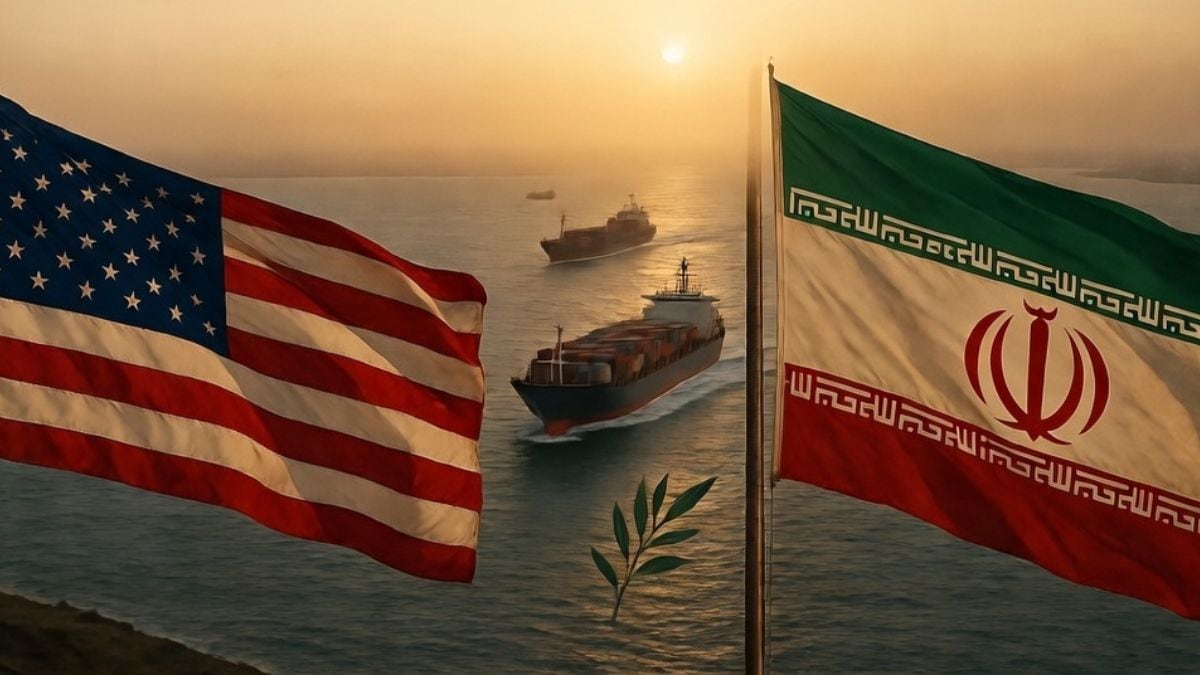
The connection between Iranian stability and Pakistani fiscal health is rooted in trade, energy security, and geopolitical risk. According to a situationer by Dawn, peace between the U.S. and Iran serves as a stabilizing force for Pakistan’s “economic ship,” reducing the likelihood of sudden shocks to the energy market and easing the pressure on foreign exchange reserves.
Key factors contributing to this potential improvement include:
- Energy Cost Reduction: Lower global oil volatility typically follows the easing of Middle Eastern tensions.
- Trade Normalization: A stable Iran allows for more predictable bilateral trade and potential energy pipeline progress.
- Investor Confidence: Reduced regional conflict lowers the perceived risk for foreign direct investment (FDI).
How does a U.S.-Iran peace deal specifically benefit Pakistan?
A diplomatic thaw between Washington and Tehran removes several hurdles for Pakistan’s financial planning. As reported by Reuters, the Pakistani government sees a potential “budget upside” stemming from an Iran deal. This upside refers to the ability to execute trade agreements and energy projects that were previously hindered by U.S. sanctions on Iran.
When the U.S. and Iran move toward peace, Pakistan can more safely engage in economic cooperation with Tehran without risking secondary sanctions from the United States. This creates a window for Pakistan to diversify its energy imports and expand its export markets in the region. According to Dawn, such a geopolitical shift helps steady the national economy by removing the “threat overhang” that often causes currency volatility and capital flight.
“Pakistan eyes more global bond issues, sees budget upside from Iran deal,” Reuters reports, highlighting the government’s intent to leverage improved regional stability to access international capital markets.
What are the growth trends for FY27?
While immediate focus remains on the next fiscal year, Business Recorder reports that growth trends are already being projected toward FY27. The government is aiming for a sustained recovery trajectory that moves beyond short-term stabilization and into long-term structural growth.
The path to FY27 involves a transition from IMF-led austerity to investment-led growth. If the Iran conflict ends and regional trade opens, the government expects a compounding effect on GDP growth. The projections for FY27 are contingent on the successful implementation of current reforms and the absence of new geopolitical shocks.
The following table summarizes the projected economic drivers across different timelines:
| Timeline | Primary Driver | Expected Outcome | Source |
|---|---|---|---|
| Next FY | End of Iran War/Tensions | Improved Economic Projections | Radio Pakistan |
| Short Term | U.S.-Iran Peace Deal | Budget Upside & Bond Issues | Reuters / Dawn |
| FY27 | Structural Reforms | Sustained Growth Trends | Business Recorder |
How is the Pakistan Stock Exchange (PSX) reacting to these developments?
Investor confidence is already reflecting a positive outlook on the government’s management of the economy. Finance Minister Aurangzeb stated, as reported by Dunya News, that the Pakistan Stock Exchange (PSX) is scaling new peaks due to increased investor trust.
The rally in the PSX is not solely based on regional peace but is also a reaction to the government’s commitment to privatization and fiscal discipline. However, the prospect of improved economic projections—fueled by a resolution to the Iran conflict—acts as a catalyst. Investors typically view the reduction of regional war risks as a signal to increase equity holdings in emerging markets like Pakistan.
The current market peaks suggest that investors are pricing in a “best-case scenario” where:
- Inflation continues to trend downward.
- The government successfully issues new global bonds.
- Regional tensions subside, lowering the cost of doing business.
What is Pakistan’s strategy for global bond issues?
According to Reuters, Pakistan is eyeing more global bond issues to manage its debt obligations and provide liquidity to the economy. The timing of these issuances is critical; the government prefers to enter the market when investor sentiment is high and regional risks are low.
A resolution to the Iran conflict would likely lower the yield that Pakistan must pay on its bonds. When regional volatility drops, the “risk premium” associated with Pakistani sovereign debt decreases, making it cheaper for the state to borrow from international investors. This reduction in borrowing costs directly impacts the national budget, reducing the amount of revenue spent on debt servicing and freeing up funds for development.
This strategy is closely linked to the “budget upside” mentioned by officials. By combining lower borrowing costs with increased trade revenue from a stable Iran, the government can improve its fiscal deficit targets without relying solely on further tax hikes.
Comparing perspectives on Pakistan’s economic stability
Different reports highlight different priorities for Pakistan’s recovery. While Radio Pakistan focuses on the high-level projections provided by Minister Aurangzeb, Reuters emphasizes the technical financial mechanisms, such as global bond issues and budget calculations.
Dawn provides a broader geopolitical lens, framing the U.S.-Iran relationship as the primary anchor for Pakistan’s stability. In contrast, Business Recorder looks further ahead to FY27, suggesting that while the Iran deal is a catalyst, the ultimate success depends on long-term growth trends. This suggests a two-tier recovery: a short-term “bump” from geopolitical peace and a long-term “climb” through structural reform.
The consensus across these sources is that Pakistan is currently in a fragile state of recovery where external shocks—specifically those emanating from Iran—can either derail or accelerate the progress. The Finance Minister’s optimism is therefore conditional; the “improvement” in projections is a possibility, not a guarantee, pending the actual end of the conflict.
Common misconceptions about Pakistan’s economic projections
One common misconception is that a peace deal with Iran would immediately solve Pakistan’s inflation problems. While it helps, inflation is driven by a mix of domestic monetary policy, global commodity prices, and currency devaluation. An Iran deal primarily helps the fiscal side (the budget) and the investment side (PSX and bonds), rather than providing an instant fix for consumer prices.
Another misconception is that Pakistan’s growth is solely dependent on IMF loans. While the IMF provides the necessary framework and credibility, the current focus on “budget upsides” from regional peace and “investor trust” in the PSX shows a shift toward seeking diversified sources of stability, including market-based financing and regional trade.
Frequently Asked Questions
Will the end of the Iran war lead to immediate budget changes in Pakistan?
According to Reuters and Finance Minister Aurangzeb, the government sees a “budget upside” from a potential Iran deal. This means that if tensions end, the government may be able to revise its revenue projections upward or reduce its projected expenditures on energy and debt servicing.
How does the PSX reflect the economic outlook?
Dunya News reports that the PSX is reaching new peaks because of investor trust. When the government signals that economic projections may improve due to regional peace, investors are more likely to buy shares in Pakistani companies, driving up the market index.
Why are global bonds important for Pakistan right now?
As reported by Reuters, global bonds allow Pakistan to raise foreign currency from international investors. If regional risks (like the Iran conflict) decrease, Pakistan can issue these bonds at lower interest rates, reducing the overall cost of national debt.
What is the significance of FY27 growth projections?
According to Business Recorder, FY27 represents the target for sustained, long-term growth. While the next fiscal year focuses on stabilization and “upsides” from peace deals, FY27 is the benchmark for whether Pakistan has successfully transitioned to a stable, growing economy.
Does a U.S.-Iran peace deal affect Pakistan’s energy prices?
Yes. According to Dawn, peace between the U.S. and Iran helps steady the economic ship by reducing volatility in global energy markets and potentially opening paths for more affordable energy imports or infrastructure projects.
For more information on how regional diplomacy impacts national finance, see a related explainer on sovereign debt and geopolitical risk.
