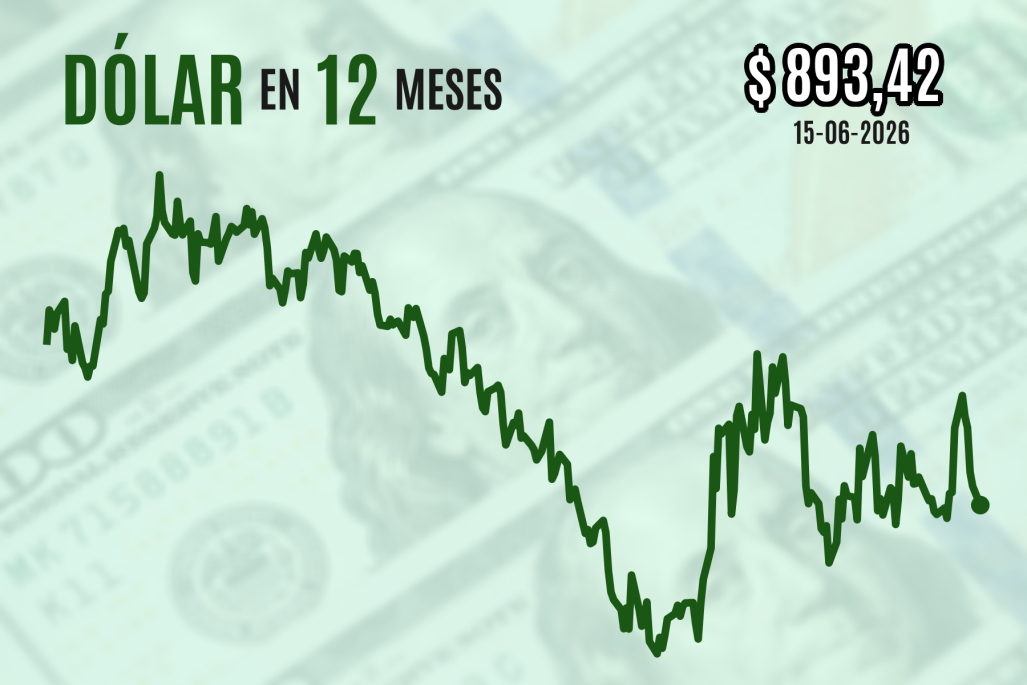
The Chilean dollar fell to approximately $890 for the fifth consecutive trading session, marking its lowest level in over a month amid global market optimism following a reported U.S.-Iran peace agreement, according to local media reports. The decline follows a series of statements from regional financial analysts suggesting the agreement could ease geopolitical tensions and stabilize currency markets.
Market Trends and Geopolitical Context
The U.S.-Iran peace deal, first disclosed by diplomatic channels in late March, has been cited by economists as a key factor in the recent currency movements. While no official confirmation of the agreement has been released by either government, the announcement reportedly included provisions for reduced sanctions and increased trade cooperation, according to statements from unnamed officials in the Middle East.

Chilean central bank data shows the peso has depreciated 3.2% against the U.S. dollar since early March, with the current exchange rate hovering near a 10-day low. This trend aligns with broader regional patterns, as Latin American currencies have shown mixed reactions to the potential shift in Middle East dynamics.
Economic Implications for Chile
Local economists highlight the dual impact of the currency decline on Chile’s economy. While a weaker peso could boost exports by making Chilean goods cheaper internationally, it also risks exacerbating inflation pressures. The Central Bank of Chile reported core inflation at 7.8% in February, the highest level in over two years, according to official statistics.
“This is a critical juncture for monetary policy,” said Dr. Mariana López, an economics professor at Universidad de Chile. “The central bank must balance inflation control with supporting trade competitiveness amid these geopolitical shifts.”
Regional Market Reactions
The peso’s decline contrasts with movements in other Latin American currencies. The Brazilian real gained 1.5% against the dollar during the same period, while the Mexican peso remained relatively stable. Analysts attribute these differences to varying levels of economic dependence on global energy markets and trade relationships.
Financial institutions in Santiago reported increased trading volumes in foreign exchange markets, with many investors hedging against further currency volatility. A survey of 20 local investment firms conducted by the Chilean Stock Exchange showed 68% anticipate continued dollar weakness through the second quarter.
What Comes Next?
The Chilean government has not issued official comments on the currency developments, but Finance Minister Ignacio Briones is scheduled to address the Chamber of Deputies on April 5 to discuss economic policy. Analysts will be closely watching for any signals about potential intervention in currency markets or adjustments to inflation targets.
