
Experts Call for Weight Loss Jabs to be Investigated for Cancer Prevention: The New Frontier of GLP-1 Research
Medical experts are urging a systemic investigation into whether GLP-1 weight loss medications can be used for cancer prevention. Following reports that these “jabs” may reduce breast cancer risk by up to 30%, there is a growing push to determine if the beneficial effects extend across a wider spectrum of malignancies, potentially transforming the drugs from weight-management tools into critical preventative oncology treatments.
Why Experts Call for Weight Loss Jabs to be Investigated for Cancer Prevention
The conversation surrounding GLP-1 receptor agonists has shifted rapidly from glucose control and weight loss to a broader discussion on systemic health. According to reporting from The Independent, experts call for weight loss jabs to be investigated for cancer prevention to determine if the drugs’ impact on the body goes beyond simple caloric restriction and weight reduction.
The core of this call for research lies in the observation that obesity is a known driver for multiple types of cancer. However, the current scientific curiosity is whether these medications provide a protective effect that is independent of weight loss itself, or if the rapid and significant reduction in adipose tissue is the primary mechanism of prevention. By initiating formal, large-scale investigations, the medical community aims to uncover whether GLP-1 drugs can directly interfere with the biological pathways that allow tumors to grow.
Key drivers for this research push include:
- Observation of unexpected benefits: Clinicians have noted health improvements in patients that seem to exceed what would be expected from weight loss alone.
- The obesity-cancer link: Because excess weight contributes to chronic inflammation, reducing that weight rapidly may “starve” certain types of cancer of the environment they need to thrive.
- Potential for preventative prescribing: If proven effective, these drugs could be prescribed to high-risk populations specifically to lower their cancer probability.
Could GLP-1 Drugs Cut Breast Cancer Risk by 30%?
One of the most striking data points in this emerging field suggests a significant impact on women’s health. According to the Irish Examiner, studies suggest that weight-loss drugs can cut breast cancer risk by up to 30%.
This figure is particularly notable because breast cancer risk is closely tied to hormonal balance. Adipose tissue (fat) is not just stored energy; it is biologically active and produces estrogen. In post-menopausal women, the primary source of estrogen is fat tissue. By significantly reducing the volume of this tissue, GLP-1 medications may lower circulating estrogen levels, thereby reducing the fuel available for estrogen-receptor-positive breast cancers.
“Weight-loss drugs can cut breast cancer risk by up to 30%, studies suggest.” — Irish Examiner
This potential 30% reduction represents a meaningful shift in preventative care. If validated in larger clinical trials, it could lead to new guidelines for managing obesity in women with a genetic predisposition to breast cancer.
The Expanding Scope: GLP-1 Benefits Across Multiple Cancer Types
While breast cancer has highlighted the potential of these drugs, the scope of the investigation is much wider. Reuters reports that GLP-1 drugs may have a beneficial effect across many types of cancer, suggesting that the protective mechanism is not limited to a single organ or hormone pathway.
The Washington Post has noted that the science surrounding GLP-1 drugs and cancer is “suddenly getting a lot more interesting,” reflecting a pivot in how researchers view the metabolic influence on oncology. The interest stems from the fact that GLP-1 agonists affect insulin sensitivity and systemic inflammation—two factors that are implicated in the development of colorectal, pancreatic, and endometrial cancers.
| Reporting Source | Core Finding/Claim | Primary Focus |
|---|---|---|
| Irish Examiner | Up to 30% reduction in risk | Breast Cancer |
| Reuters | Beneficial effects across “many types” | Broad Oncology |
| The Independent | Call for formal investigation | Preventative Research |
| Washington Post | Increasing scientific interest | Metabolic Science |
Mounjaro and the ‘Remarkable’ Shift in Side Effect Understanding
Not all GLP-1 medications are the same, and the specific pharmacology of newer drugs is providing new clues. LADbible reported on a landmark study that made a “remarkable” finding regarding Mounjaro side effects. While the term “side effect” usually implies a negative outcome, in this context, the research is uncovering positive, secondary benefits that were not the primary goal of the drug’s development.
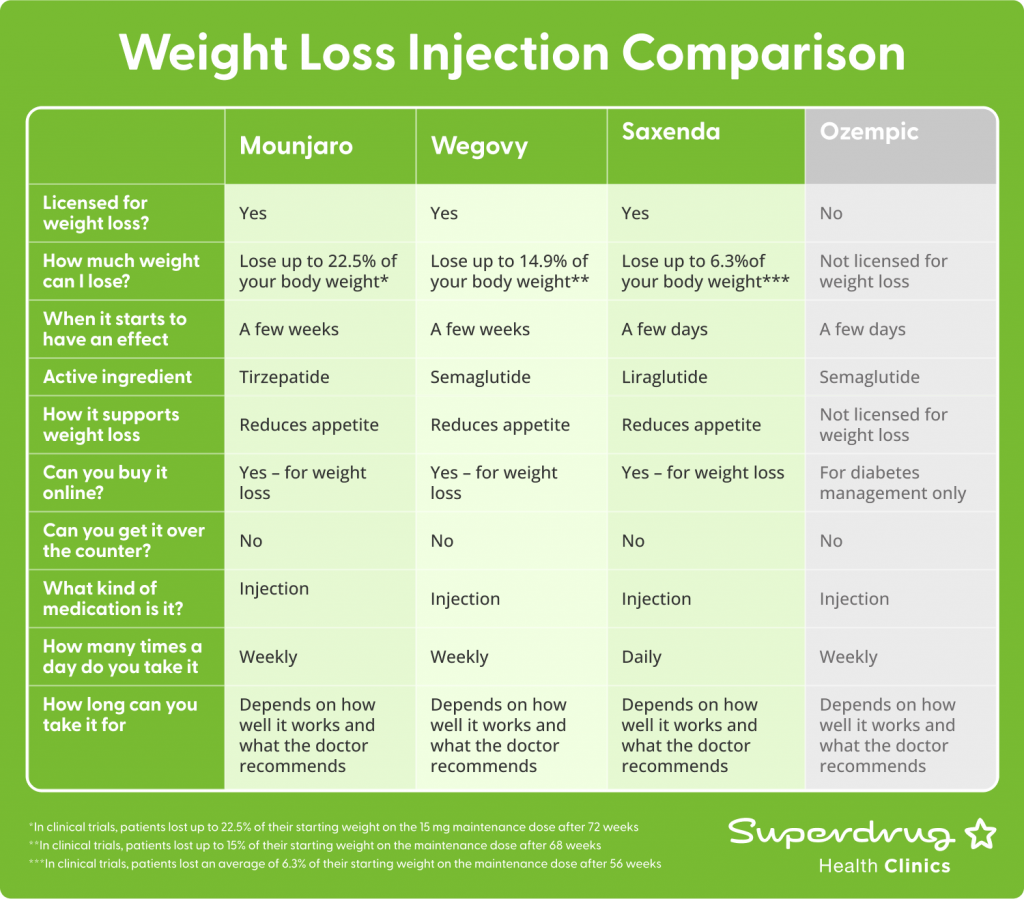
Mounjaro (tirzepatide) differs from earlier GLP-1s by targeting two hormones—GLP-1 and GIP (glucose-dependent insulinotropic polypeptide). This dual-action approach may result in more profound metabolic changes than single-hormone agonists. The “remarkable” findings suggest that this dual action might be more effective at modulating the inflammatory responses that contribute to cancer progression.
This shift in understanding is critical. It suggests that the “side effects” of these medications—such as improved insulin levels and reduced systemic inflammation—are actually the primary mechanisms that could lead to cancer prevention.
The Biological Link Between Obesity and Oncology
To understand why experts are so optimistic about these “jabs,” it is necessary to understand the link between metabolic health and cancer. Obesity is not merely a matter of weight; it is a state of chronic, low-grade inflammation.
The Insulin Connection
Obesity often leads to insulin resistance, which causes the body to produce more insulin. High levels of insulin and insulin-like growth factor 1 (IGF-1) can promote cell growth and inhibit apoptosis (programmed cell death), creating an environment where cancerous cells can grow and divide more rapidly.
The Inflammation Cycle
Excess adipose tissue releases pro-inflammatory cytokines. These chemicals can damage DNA and promote the growth of tumors. By rapidly reducing fat mass and improving insulin sensitivity, GLP-1 drugs essentially “clean up” the internal environment, making it less hospitable for cancer cells.
Hormonal Regulation
As noted in the breast cancer findings, the reduction of fat-derived estrogen is a key factor. This mechanism is likely similar for other hormone-sensitive cancers, such as those affecting the uterus.
For more on how metabolic health influences long-term wellness, see our related explainer on metabolic syndrome and chronic disease.
Potential Implications for Future Healthcare
If the call for investigation leads to confirmed results, the medical landscape could change in several ways:
- Preventative Prescription: Doctors might prescribe GLP-1s not for weight loss, but as a “chemopreventative” agent for patients with high cancer risks.
- Insurance Coverage: The justification for covering these expensive drugs would expand from “cosmetic” or “weight-related” to “life-saving cancer prevention.”
- Combination Therapies: Researchers may look into using GLP-1s alongside traditional chemotherapy to see if they can make tumors more susceptible to treatment by altering the metabolic environment.
However, these possibilities are contingent on rigorous testing. Experts emphasize that while the early signals are promising, the transition from “suggestive studies” to “clinical standard” requires large-scale, peer-reviewed trials to ensure that the drugs do not have unforeseen long-term risks when used specifically for oncology.
Frequently Asked Questions About GLP-1s and Cancer Prevention
Are weight loss jabs now approved for preventing cancer?
No. Currently, GLP-1 medications are approved for the treatment of type 2 diabetes and chronic weight management. The current reports, including those from The Independent and Reuters, describe a call for investigation and early suggestive data, not a formal medical approval for cancer prevention.
Which cancers might these drugs help prevent?
While the Irish Examiner highlighted a potential 30% reduction in breast cancer risk, Reuters indicates that beneficial effects may be seen across “many types” of cancer. This is likely due to the drugs’ ability to reduce systemic inflammation and improve insulin levels, which are risk factors for various malignancies.
Is Mounjaro different from other weight loss jabs in this regard?
Yes, Mounjaro targets both GLP-1 and GIP receptors, whereas earlier drugs only targeted GLP-1. As reported by LADbible, this dual action has led to “remarkable” findings regarding its effects on the body, which may provide different or enhanced preventative benefits compared to single-target medications.
Does this mean the drugs prevent cancer regardless of weight loss?
This is exactly what experts want to investigate. While weight loss itself reduces cancer risk, researchers are trying to determine if GLP-1 drugs have a direct molecular effect on cancer cells or inflammation that works independently of the number on the scale.
Who should consider these medications for cancer prevention?
You should not take these medications for cancer prevention without a doctor’s prescription. These are powerful drugs with specific indications and potential side effects. Anyone interested in their use should consult an oncologist or an endocrinologist to discuss their specific risk profile.
