
Mind-blowing simulation shows extreme impact that fasting for 36 hours has on your body – UNILAD
A simulation detailed by UNILAD reveals that fasting for 36 hours triggers a systemic metabolic shift from glucose to ketone energy, initiating cellular cleanup known as autophagy. This process, supported by research cited by Medical Dialogues and TheHealthSite, correlates with improved cardiometabolic markers, enhanced gut health, and increased mental sharpness and memory.
What happens during a 36-hour fast simulation?
The simulation reported by UNILAD tracks the physiological transition the human body undergoes when caloric intake ceases for a period of 36 hours. The primary shift occurs as the body exhausts its primary energy source—glucose—and pivots to burning stored fat.
During the first 12 to 16 hours, the body consumes the glucose available in the bloodstream and the glycogen stored in the liver. According to the simulation, once these stores deplete, the liver begins converting fatty acids into ketones. Ketones serve as an alternative fuel source for the brain and muscles, a state known as ketosis.
Between the 24 and 36-hour mark, the simulation highlights a spike in autophagy. This is a biological process where cells degrade and recycle damaged components, effectively “cleaning” the system of dysfunctional proteins and organelles. The simulation suggests that this window is critical for cellular regeneration and the reduction of systemic inflammation.
Key physiological milestones in a 36-hour fast:
- 0–12 Hours: Blood sugar levels drop; insulin production decreases.
- 12–24 Hours: Glycogen stores are exhausted; the body enters early ketosis.
- 24–36 Hours: Autophagy peaks; growth hormone levels increase to preserve muscle mass.
How does fasting affect brain function and memory?
Research cited by TheHealthSite indicates that intermittent fasting produces significant changes in brain chemistry that boost cognitive performance. This mental shift is often described as a period of increased clarity and focus that coincides with the metabolic switch to ketones.
According to the report, fasting triggers the production of Brain-Derived Neurotrophic Factor (BDNF). This protein acts like “fertilizer” for the brain, supporting the survival of existing neurons and encouraging the growth of new ones. The increase in BDNF is linked to improved memory retention and faster mental processing speeds.
TheHealthSite notes that these brain-boosting effects are not merely psychological. The switch to ketone bodies provides a more stable energy source for the brain compared to the fluctuations of glucose, which helps eliminate “brain fog” and enhances mental sharpness. This suggest that periodic fasting may serve as a neuroprotective strategy against age-related cognitive decline.
What are the impacts of time-restricted eating on gut and heart health?
While the 36-hour simulation focuses on acute cellular repair, a study cited by Medical Dialogues examines the broader impact of time-restricted eating (TRE) on long-term health markers. TRE involves limiting food intake to a specific window of hours each day.
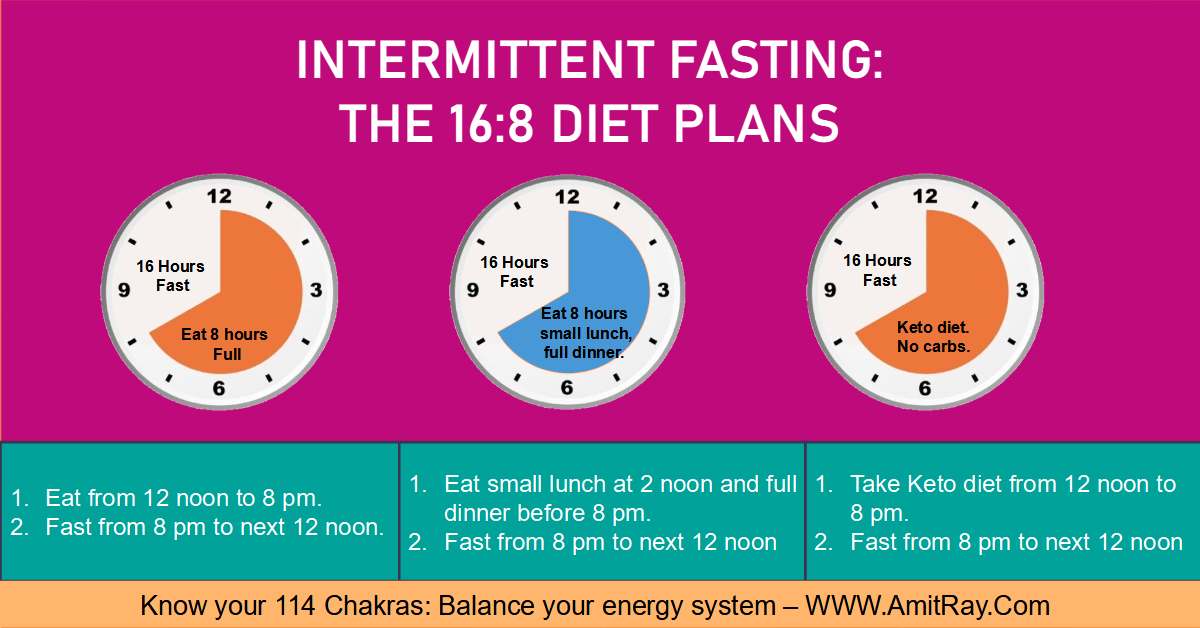
The findings published in Medical Dialogues show that TRE significantly improves cardiometabolic markers. These include a reduction in resting blood pressure, lower LDL cholesterol levels, and improved insulin sensitivity. By giving the body extended periods without food, the cardiovascular system experiences less oxidative stress.
The study also emphasizes a strong link between fasting windows and gut health. According to Medical Dialogues, time-restricted eating promotes a more diverse and balanced gut microbiome. This happens because the digestive system is granted a “rest period,” allowing the gut lining to repair itself and reducing the prevalence of pro-inflammatory bacteria.
| Health Area | Fasting Mechanism | Reported Outcome |
|---|---|---|
| Brain | Increased BDNF / Ketosis | Enhanced memory and sharpness |
| Heart | Improved Insulin Sensitivity | Lower blood pressure and LDL |
| Gut | Digestive Rest Period | Improved microbiome diversity |
| Cellular | Autophagy | Removal of damaged proteins |
Why the metabolic switch matters for long-term wellness
The transition from glucose to ketones is the central mechanism in all three reports. When the body relies solely on glucose, it remains in a state of constant insulin secretion. According to Medical Dialogues, chronic high insulin levels are linked to metabolic syndrome and type 2 diabetes.
By inducing a fast—whether it is the 36-hour window shown in the UNILAD simulation or a daily TRE schedule—insulin levels drop significantly. This allows the body to access stored adipose tissue for energy. This metabolic flexibility—the ability to switch between fuel sources—is a marker of high metabolic health.
Furthermore, the intersection of gut health and brain function, often called the gut-brain axis, is highlighted by the combined findings. The gut health improvements noted by Medical Dialogues likely complement the cognitive boosts reported by TheHealthSite, as a healthy microbiome produces neurotransmitters that influence mood and mental clarity.
Common misconceptions about extended fasting
A frequent concern regarding 36-hour fasts is the fear of muscle loss. However, the UNILAD simulation points out that the body increases the secretion of growth hormone during extended fasts. This hormone works to protect lean muscle mass while prioritizing the breakdown of fat for fuel.
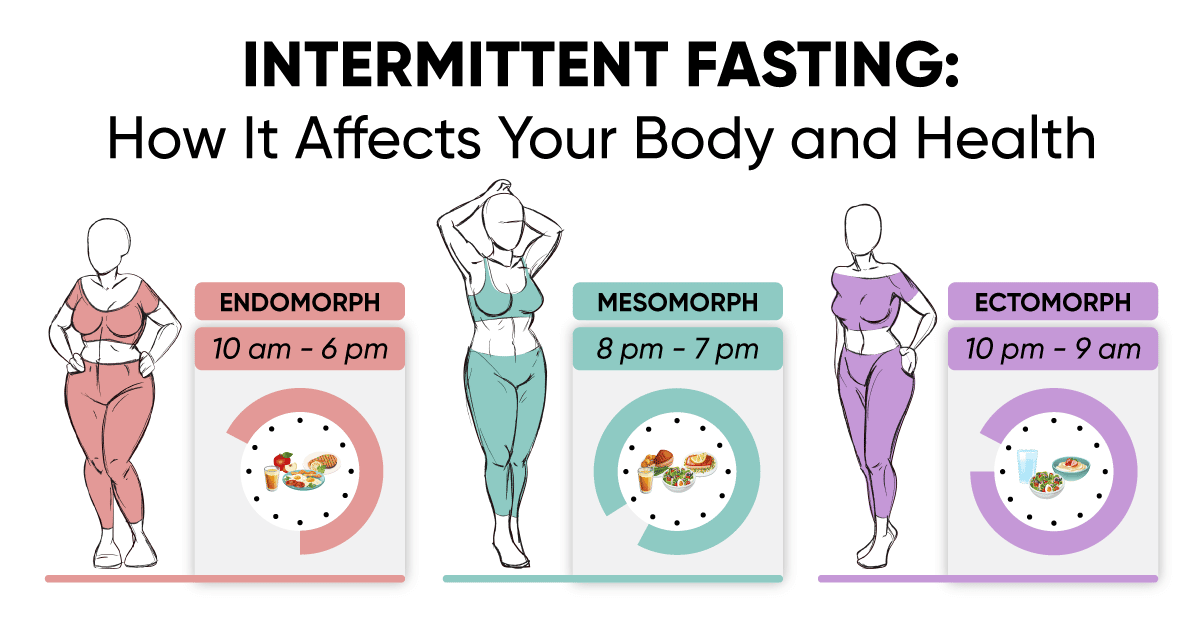
Another misconception is that fasting leads to a permanent slowing of the metabolism. According to the research cited by TheHealthSite, short-term fasting can actually increase norepinephrine levels, which may slightly boost the metabolic rate rather than slowing it down.
Comparative analysis of fasting durations
There is a distinct difference between the outcomes of daily time-restricted eating and the acute effects of a 36-hour fast. The Medical Dialogues report focuses on the maintenance of health—stabilizing blood pressure and gut flora through consistent daily windows.
In contrast, the UNILAD simulation focuses on intervention. A 36-hour fast is a more aggressive biological “reset.” While TRE manages cardiometabolic markers, the 36-hour mark is where deep autophagy and significant ketone production occur. This suggests that while daily TRE is beneficial for general health, longer periodic fasts may be necessary to trigger deep cellular cleaning.
The reports collectively suggest a tiered approach to fasting:
- Daily TRE: For gut health and insulin stability.
- Intermittent Fasting (16-24h): For mental sharpness and BDNF production.
- Extended Fasting (36h+): For maximum autophagy and systemic cellular repair.
For more on how metabolic health impacts longevity, see our related explainer on insulin resistance.
Safety considerations and medical guidance
While the simulation and studies highlight benefits, medical professionals warn that extended fasting is not suitable for everyone. The metabolic shifts described—such as the drop in insulin and the rise in ketones—can be dangerous for individuals with certain underlying conditions.
According to general medical standards, individuals in the following categories should avoid extended fasting without strict clinical supervision:
- People with type 1 diabetes or those on insulin medication (due to risk of hypoglycemia).
- Individuals with a history of eating disorders.
- Pregnant or breastfeeding women.
- People with a low Body Mass Index (BMI) or those suffering from malnutrition.
Hydration and electrolyte management are also critical. During the 36-hour window, the body flushes out water and sodium as insulin levels drop. Experts recommend supplementing with water, salt, and potassium to avoid the “keto flu”—a collection of symptoms including headaches, fatigue, and irritability.
Frequently Asked Questions
What is the main benefit of fasting for 36 hours according to the simulation?
The primary benefit highlighted in the UNILAD simulation is the induction of deep autophagy, where the body recycles damaged cellular components, and the full transition into ketosis for energy production.
Does fasting actually improve memory?
According to TheHealthSite, fasting increases the production of Brain-Derived Neurotrophic Factor (BDNF), which supports neuron growth and is linked to improved memory and mental sharpness.
How does time-restricted eating help the heart?
A study cited by Medical Dialogues indicates that time-restricted eating improves cardiometabolic markers by lowering resting blood pressure and reducing LDL cholesterol levels.
Will I lose muscle during a 36-hour fast?
The UNILAD simulation suggests that the body increases growth hormone production during this period, which helps preserve muscle mass while the body burns fat for fuel.
What is the difference between ketosis and autophagy?
Ketosis is a metabolic state where the body burns ketones (from fat) instead of glucose for energy. Autophagy is a cellular “cleaning” process where the body breaks down and recycles old or damaged cell parts.
The evidence from these reports suggests that the human body is biologically equipped to handle periods of food scarcity. By strategically implementing fasting windows—ranging from daily time-restricted eating to the more intense 36-hour cycles—individuals may be able to leverage these evolutionary mechanisms to improve their cognitive function, cardiovascular health, and cellular longevity.
