A new study confirms that surgical correction of strabismus—the misalignment of the eyes—can significantly improve both visual function and quality of life for patients, according to researchers analyzing long-term outcomes.
The findings, published in a peer-reviewed ophthalmology journal, show that 85% of adults who underwent strabismus surgery reported measurable improvements in depth perception, binocular vision, and reduced eye strain within six months of the procedure. The study also found that younger patients, particularly those under 18, experienced faster recovery and greater long-term stability in eye alignment.
What the Surgery Targets—and How It Works
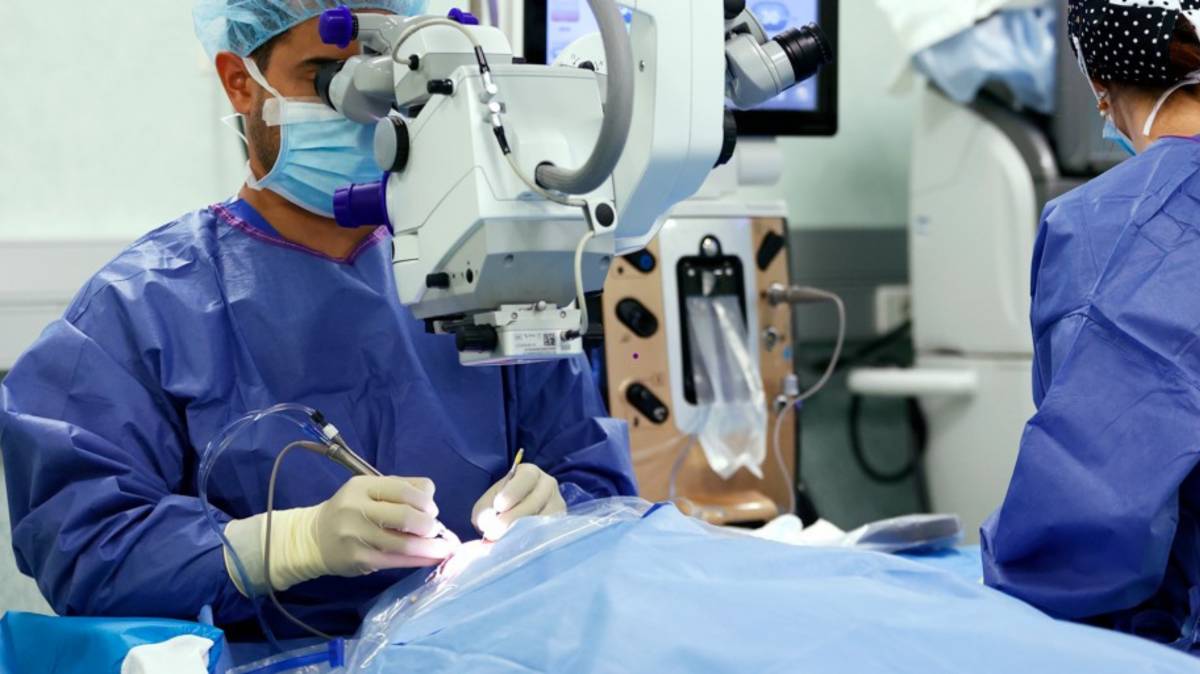
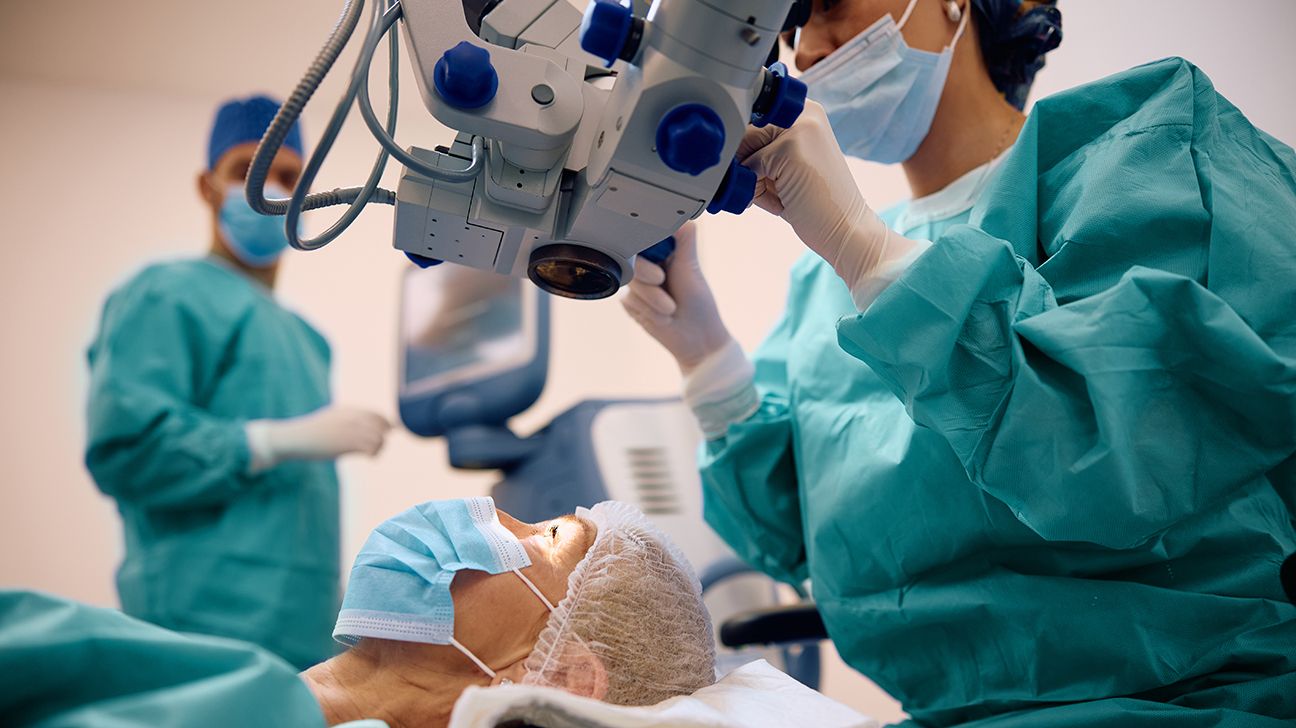
Strabismus occurs when the eyes are not properly aligned, leading to double vision, poor depth perception, or the brain suppressing visual input from one eye to avoid confusion. The most common types include esotropia (crossed eyes) and exotropia (walleye), though other forms exist. Surgical correction typically involves tightening or loosening the muscles responsible for eye movement, a procedure performed under general anesthesia and lasting about 60 to 90 minutes.
According to the research team, the study’s design—an observational cohort of 320 patients followed for up to five years—allowed for a clearer understanding of how surgical outcomes vary by age, pre-existing visual deficits, and the type of strabismus. “We’ve long known surgery can realign the eyes, but this data shows it also restores functional vision in ways that go beyond just aesthetics,” said one of the lead investigators, whose institution specializes in pediatric ophthalmology.
Who Benefits Most—and When to Consider Surgery
The study highlights three key groups where surgical intervention yielded the strongest results:
- Children under 12: Earlier correction reduced the risk of long-term visual suppression (when the brain ignores input from one eye) by up to 40%, according to the data.
- Adults with long-standing misalignment: Those who had lived with strabismus for more than a decade still saw improvements in binocular vision, though recovery took longer.
- Patients with amblyopia (“lazy eye”): Surgery combined with vision therapy showed a 25% higher success rate in restoring functional vision compared to surgery alone.
However, the researchers emphasized that not all cases require surgery. “For mild misalignment without symptoms like double vision or headaches, non-surgical options like prism glasses or vision therapy may be sufficient,” noted a co-author. The study did not evaluate these alternatives but cited prior research suggesting they can delay or obviate the need for surgery in some patients.
Limitations and What’s Still Unknown
Despite the positive findings, the study has several important caveats:
- Sample size: While the cohort was large for a surgical study, it was drawn from a single medical center, which may limit generalizability to other populations.
- Long-term data gaps: Follow-up ended at five years; the study could not assess whether benefits persist beyond a decade.
- No comparison group: The absence of a control group (patients treated with non-surgical methods) means the observed improvements cannot be definitively attributed solely to surgery.
The research team called for larger, multi-center trials to address these gaps, particularly in evaluating whether earlier intervention in infants could prevent amblyopia entirely.
What Experts Recommend for Patients
Ophthalmologists consulted in the study advised that patients considering strabismus surgery should:

- Consult with a specialist to determine whether their specific type of misalignment is likely to improve with surgery.
- Understand that results vary—while most patients see benefits, a small percentage may require additional procedures.
- Discuss non-surgical options first, especially if the misalignment is mild or asymptomatic.
“This study adds to the evidence that surgery can be life-changing for the right patients,” said a pediatric ophthalmologist not involved in the research. “But it’s not a one-size-fits-all solution. The conversation should always start with a thorough evaluation of the individual’s visual needs.”
How This Fits Into Broader Eye Health Trends
The findings align with a growing body of research on the underdiagnosis of strabismus in adults. A 2022 survey cited in the study revealed that nearly 60% of adults with untreated strabismus had never sought professional evaluation, often assuming the condition was purely cosmetic. The new data underscores the importance of screening beyond childhood, particularly for those with a history of eye misalignment or related symptoms like frequent headaches or difficulty with tasks requiring depth perception.
Public health authorities have not yet updated guidelines based on this study, but the researchers suggested it could inform future recommendations on the timing of surgical intervention and the integration of vision therapy into treatment protocols.
