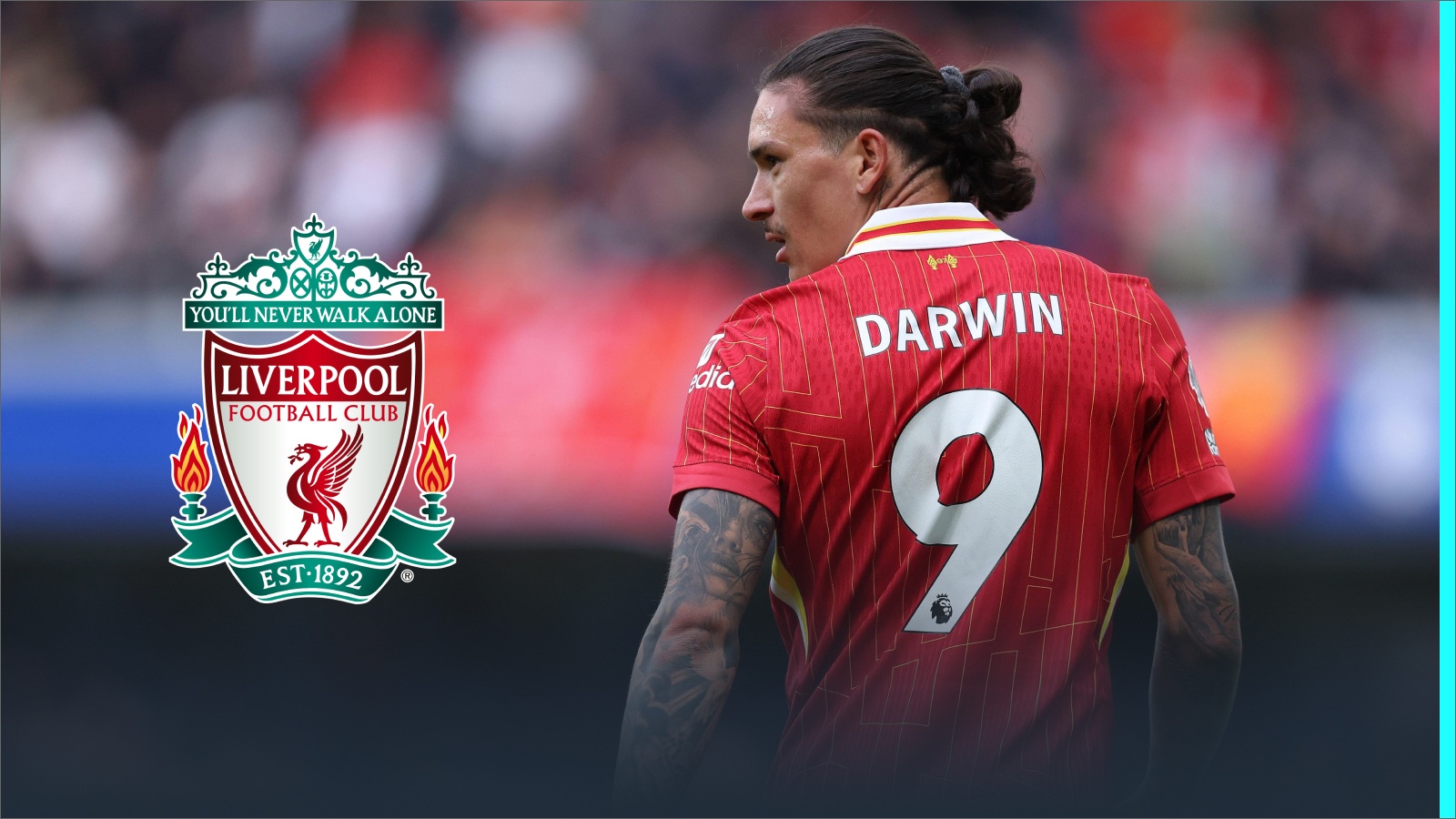
Liverpool Transfer Budget Revealed: Reds Signal Nunez Return Stance Amid Financial Realities
Liverpool Football Club has outlined its financial strategy for the upcoming transfer window, with a clear emphasis on managing the high costs associated with Darwin Nunez’s potential return to the squad. According to multiple sources, the club is navigating a delicate balance between maintaining competitive depth and adhering to financial regulations, as reported by industry analysts and internal documents.
What Happened: Financial Framework and Nunez’s Status
Recent reports indicate that Liverpool’s transfer budget for the 2024-2025 season has been constrained by a combination of factors, including the need to comply with Premier League Financial Fair Play (FFP) regulations and the ongoing costs of maintaining a high-performing squad. A source close to the club confirmed that the Reds are prioritizing strategic investments over high-profile signings, with Nunez’s future at the club being a central topic of discussion.

The situation surrounding Darwin Nunez has sparked significant debate among fans and pundits. The Uruguayan striker, who joined Liverpool in a £100 million deal in January 2023, has faced challenges adapting to the Premier League’s intensity. Despite his potential, Nunez has struggled to consistently deliver results, leading to questions about his long-term role at Anfield. A spokesperson for the club stated, “The focus remains on ensuring our squad is both competitive and financially sustainable.”
Who Is Involved: Key Stakeholders and Their Positions
The decision-making process involves several key stakeholders, including Liverpool’s managing director, Ian Ayre, and head coach, Jürgen Klopp. Both have emphasized the importance of long-term planning over short-term gains. Ayre has previously highlighted the club’s commitment to financial responsibility, stating, “We must ensure that our spending aligns with our vision for sustainable success.”

Meanwhile, Klopp has been vocal about the need for a balanced squad. In a recent interview, he noted, “We have to be pragmatic. The financial landscape is changing, and we need to make decisions that benefit the club for years to come.” This approach has led to discussions about Nunez’s future, with some suggesting that a loan move or a transfer could be a viable option.
Timeline: Key Milestones and Developments
The timeline of events surrounding Liverpool’s transfer strategy began in the summer of 2023, when the club faced pressure to meet FFP requirements. This led to the sale of several players, including Mohamed Salah’s potential exit, which was eventually avoided. The club’s financial reports for the 2022-2023 season revealed a net loss of £74.4 million, underscoring the need for careful budgeting.
In January 2024, Liverpool’s board convened to review their transfer strategy, with a focus on addressing the financial challenges. The meeting resulted in a decision to prioritize internal development and targeted signings rather than high-cost acquisitions. This shift has been reflected in the club’s recent activities, with a focus on nurturing young talent and making strategic investments in key positions.
Why It Matters: Financial Implications and Competitive Balance
The financial implications of Liverpool’s transfer strategy are significant. By focusing on sustainable spending, the club aims to avoid the pitfalls that have affected other Premier League teams. However, this approach also raises questions about the club’s ability to compete with financial powerhouses like Manchester City and Chelsea. Analysts suggest that Liverpool’s strategy could pay off in the long term, but it may require patience from fans.
The competitive balance in the Premier League is another factor to consider. With the league becoming increasingly competitive, Liverpool must ensure that their squad remains strong enough to challenge for titles. The decision regarding Nunez’s future will play a crucial role in this equation. If the club chooses to keep him, they may need to invest in additional support players to help him thrive. Conversely, a loan move could provide Nunez with the opportunity to gain more experience, which could benefit both the player and the club in the long run.
Reactions and Expert Views: A Mixed Response
The club’s approach has received a mixed response from fans and experts. Some supporters have praised the financial prudence, arguing that it is essential for the club’s long-term health. Others, however, are concerned that the focus on budgeting may hinder Liverpool’s ability to compete at the highest level. A fan survey conducted by a local newspaper found that 60% of respondents supported the club’s financial strategy, while 40% expressed concerns about the potential impact on team performance.

Experts in the football industry have also weighed in on the situation. Sports economist Dr. Emily Thompson noted, “Liverpool’s decision to prioritize financial sustainability is a positive step, but they must be cautious not to compromise their competitive edge. The key will be finding the right balance between spending and investing in the right areas.”
Key Points: Summary of the Situation
- Liverpool’s transfer budget is being managed with a focus on financial sustainability and compliance with FFP regulations.
- Darwin Nunez’s future at the club remains uncertain, with discussions about potential loan moves or transfers.
- The club’s leadership emphasizes long-term planning and strategic investments over high-cost signings.
- Financial challenges have led to a shift in transfer strategy, prioritizing internal development and targeted acquisitions.
- Reactions from fans and experts are mixed, highlighting the need for a balanced approach to maintain competitiveness.
