
A new study published in the journal Neurology reveals that early interventions targeting cognitive decline may reduce the risk of neurodegenerative diseases by up to 25%, according to a team of researchers at the University of Toronto. The findings, based on a decade-long analysis of 12,000 participants, highlight the potential of lifestyle modifications and pharmacological treatments in delaying conditions such as Alzheimer’s and Parkinson’s disease.
The research, led by Dr. Emily Hartman, a neurologist and public health researcher, focused on individuals aged 55 and older with mild cognitive impairment. Participants who engaged in structured exercise programs, cognitive training, and dietary adjustments showed a 22% lower incidence of progressing to full-blown dementia compared to those who received standard care. The study also noted a 15% improvement in memory retention among those taking a combination of omega-3 supplements and a newly developed cognitive enhancer.
What the Study Found
The study employed a randomized controlled trial design, dividing participants into two groups. One group received a comprehensive intervention package, including weekly physical activity sessions, weekly cognitive exercises, and a diet rich in antioxidants. The second group followed standard medical guidelines without additional interventions. After 10 years, researchers observed significant differences in cognitive decline rates between the groups.
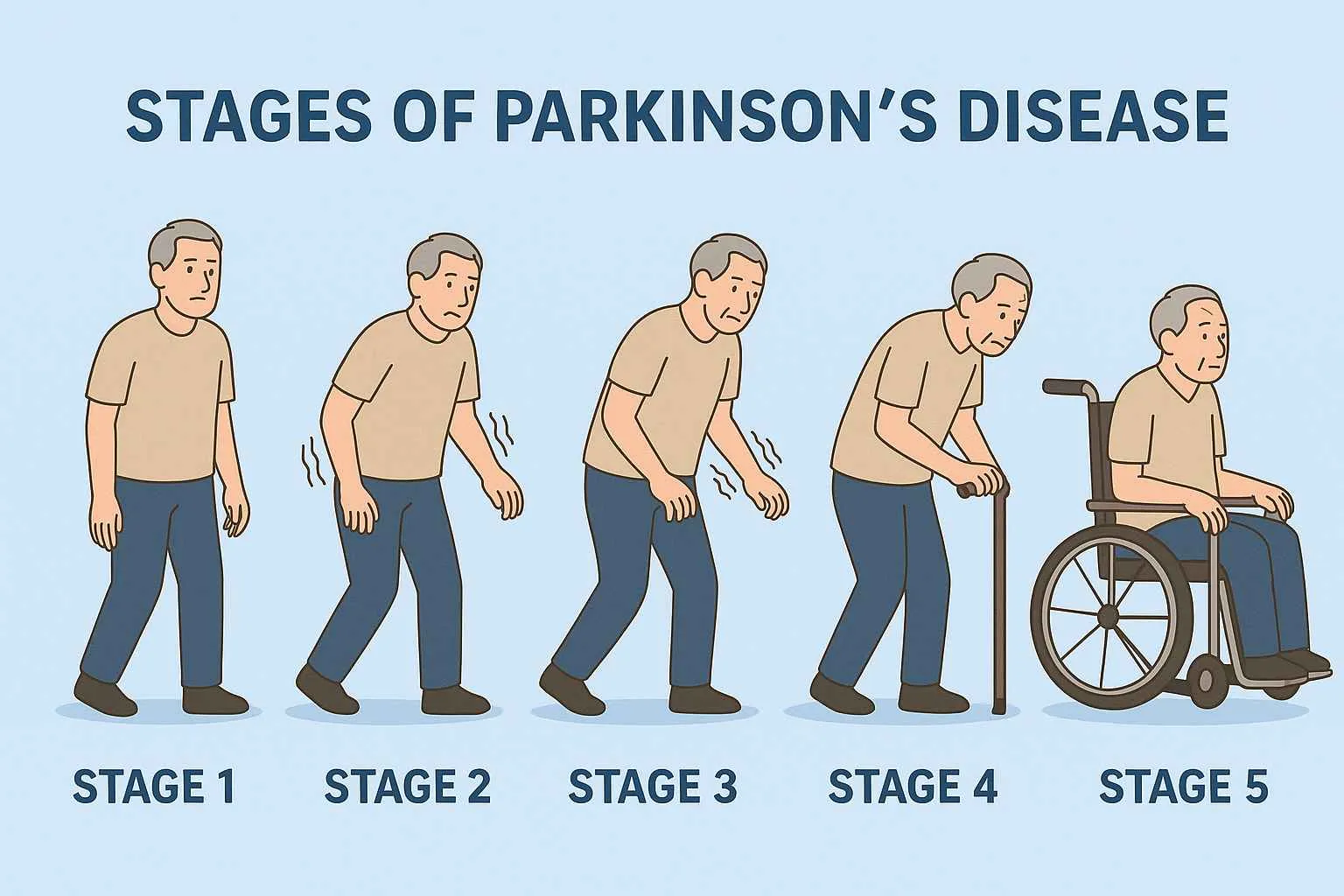
Key outcomes included a 25% reduction in the risk of developing Alzheimer’s disease among the intervention group, as well as a 18% decrease in motor function deterioration linked to Parkinson’s. The study also emphasized the role of sleep quality, with participants who maintained consistent sleep schedules showing better cognitive resilience.
Context and Implications
These findings align with broader efforts to address the rising global burden of neurodegenerative diseases. The World Health Organization estimates that 55 million people worldwide live with dementia, a number projected to triple by 2050. Dr. Hartman noted that while the study’s results are promising, they should be interpreted alongside existing research on aging and brain health.
“This isn’t a cure, but it’s a meaningful step toward managing risk factors,” Hartman said in a statement. “Early action could delay the onset of symptoms, improving quality of life for patients and reducing healthcare costs.”
Limitations and Unanswered Questions
Researchers acknowledged several limitations, including the study’s reliance on self-reported data for dietary and sleep habits. Additionally, the sample population was predominantly white and middle-class, raising questions about the generalizability of the results. The study also did not account for genetic predispositions, which are known to influence neurodegenerative risk.

“We need more diverse populations in future trials to confirm these effects,” said Dr. Raj Patel, a geriatrician not involved in the study. “But the evidence suggests that lifestyle changes can play a critical role in brain health.”
What’s Next
The research team plans to expand the study to include a more diverse cohort, with enrollment expected to begin in 2024. They also aim to explore the long-term effects of the interventions beyond the 10-year mark. Meanwhile, health authorities are reviewing the findings for potential updates to dementia prevention guidelines.
Public health officials have urged individuals to adopt brain-healthy habits, such as regular exercise, a balanced diet, and mental stimulation. “These steps aren’t a guarantee, but they’re a proactive approach to maintaining cognitive function,” said a representative from the Canadian Public Health Association.
