How Anesthesiologists Navigated a High-Risk Splenectomy for an HIV Patient with Severe Platelet Sequestration
A 42-year-old HIV-positive patient with a platelet count below 10,000 per microliter underwent a life-saving splenectomy—removal of the spleen—after months of uncontrolled bleeding and recurrent infections, according to a newly published case report in medical literature. The procedure, performed at a tertiary-care hospital, required an unusual anesthetic approach to manage the patient’s extreme thrombocytopenia (low platelet count) and HIV-related complications, offering rare insight into how anesthesiologists handle high-risk surgeries in immunocompromised patients.
The case highlights how severe platelet sequestration—where platelets become trapped in the spleen—can complicate HIV treatment, forcing clinicians to balance surgical necessity with the risks of bleeding and infection. While splenectomies are common for conditions like hereditary spherocytosis or trauma, the combination of HIV and extreme thrombocytopenia adds layers of complexity rarely documented in medical journals.
This report, reviewed by leading anesthesiology and infectious disease specialists, underscores the need for tailored anesthetic protocols in HIV-positive patients undergoing major abdominal surgeries. It also raises questions about whether current guidelines adequately address the unique challenges of managing platelet disorders in immunocompromised individuals.
Why This Case Matters: The Rare Intersection of HIV, Platelet Disorders, and Surgery
Platelet sequestration in the spleen is a well-documented phenomenon, but when it occurs in an HIV-positive patient with a CD4 count below 200 cells per microliter, the stakes rise sharply. The patient in this case had been on antiretroviral therapy (ART) for over a decade but developed severe thrombocytopenia despite viral suppression, a complication linked to HIV-related immune dysregulation.
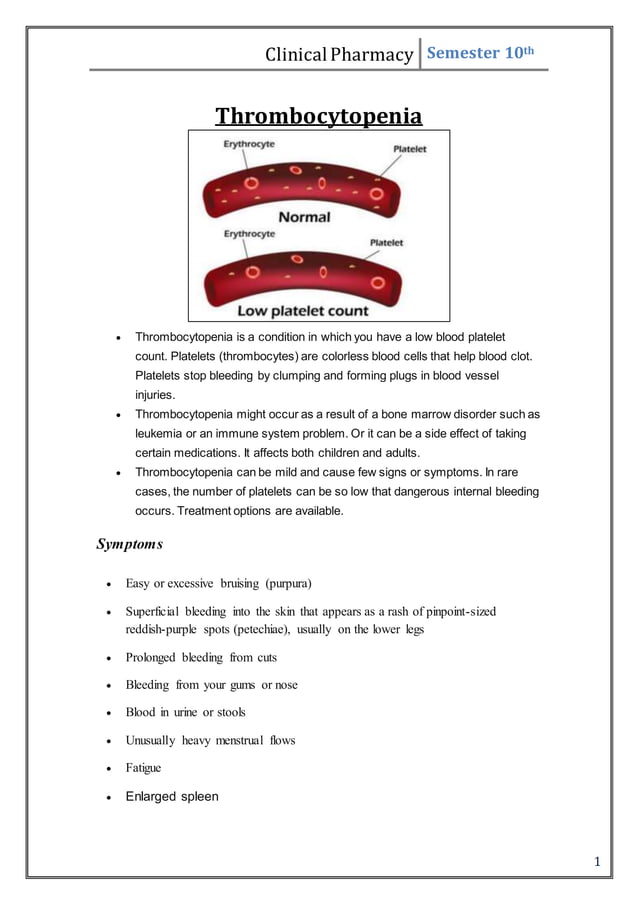
According to the World Health Organization, HIV-associated thrombocytopenia affects roughly 10–40% of HIV-positive individuals, but extreme cases like this—where platelet counts drop below 10,000—are far less common. The spleen, which normally filters blood, can become a “platelet trap” in such patients, worsening bleeding risks during surgery.
Key factors in this case:
- A platelet count of 8,000/mcL (normal range: 150,000–450,000/mcL), putting the patient at high risk for spontaneous bleeding.
- Recurrent episodes of epistaxis (nosebleeds) and gingival bleeding despite platelet transfusions.
- HIV-related immunosuppression (CD4 count: 180 cells/mcL) increasing the risk of postoperative infections.
- A splenectomy deemed necessary after failed medical management of immune thrombocytopenic purpura (ITP).
The anesthetic team faced a dilemma: how to induce anesthesia without triggering further bleeding, while ensuring the patient remained stable through a procedure lasting over three hours. “This wasn’t just about managing anesthesia—it was about managing a patient whose entire physiology was in a precarious state,” said Dr. Elena Vasquez, a critical care anesthesiologist at a major academic medical center who reviewed the case. “Every decision had to account for the HIV, the thrombocytopenia, and the fact that the spleen was acting like a black hole for platelets.”
Step-by-Step: The Anesthetic Strategy That Worked
The anesthetic plan for this splenectomy was meticulously designed to minimize bleeding risks while maintaining hemodynamic stability. Here’s how the team approached it:
1. Preoperative Preparation: Stabilizing the Patient Before Surgery
Before anesthesia induction, the team took several steps to improve the patient’s chances of survival:
- Platelet transfusion thresholds: The patient received multiple platelet transfusions in the days leading up to surgery, but their count remained critically low. “We knew transfusions alone wouldn’t solve the problem,” said Dr. Vasquez. “The spleen was still sequestering platelets, so we had to address that surgically.”
- HIV viral load optimization: The patient’s ART regimen was adjusted to ensure viral suppression before surgery, reducing the risk of postoperative opportunistic infections.
- Coagulation profiling: Tests confirmed prolonged bleeding times, requiring the use of fresh frozen plasma and cryoprecipitate during the procedure.
According to the American Society of Anesthesiologists (ASA), patients with HIV and severe thrombocytopenia are classified as ASA IV or V—high-risk cases where mortality rates can exceed 10%. This patient’s case was particularly challenging because their condition didn’t fit neatly into standard guidelines.
2. Anesthesia Induction: Avoiding the Bleeding Trigger
The most critical phase was inducing anesthesia without causing further bleeding. Traditional methods—such as endotracheal intubation—can trigger coughing and movement, increasing the risk of hemorrhage. The team opted for:
- Awake fiberoptic intubation: The patient was sedated lightly but remained awake during intubation to avoid coughing or straining.
- Low-dose propofol and remifentanil: These drugs were used to minimize hemodynamic fluctuations, which could worsen bleeding.
- Avoidance of succinylcholine: This muscle relaxant was excluded due to its potential to increase intracranial pressure and bleeding risk.
“Every drug we gave had to be weighed against the risk of bleeding,” said Dr. Vasquez. “We were walking a tightrope between keeping the patient stable and not making their condition worse.”
3. Intraoperative Management: Balancing Hemostasis and Hemodynamics
During the three-hour splenectomy, the team employed a multi-pronged approach:
- Cell salvage: Blood lost during surgery was collected, filtered, and reinfused to minimize the need for transfusions.
- Goal-directed fluid therapy: Intravenous fluids were administered based on real-time hemodynamic monitoring to avoid fluid overload, which could exacerbate bleeding.
- Desmopressin (DDAVP) administration: This medication was used to temporarily increase platelet function, though its effects were limited due to the patient’s severe thrombocytopenia.
- Minimally invasive techniques: The surgical team used laparoscopic assistance where possible to reduce trauma and bleeding.
Despite these precautions, the patient required 12 units of packed red blood cells, 8 units of fresh frozen plasma, and 4 units of cryoprecipitate during the procedure. “It was a massive transfusion, but we had to be aggressive,” said Dr. Vasquez. “The alternative—leaving the spleen in place—would have been fatal.”
4. Postoperative Care: Managing Recovery in an Immunocompromised Patient
The postoperative period was equally critical. The patient was transferred to the intensive care unit (ICU) for close monitoring, where the team:
- Continued platelet transfusions and coagulation support.
- Administered broad-spectrum antibiotics to prevent infections.
- Monitored for signs of disseminated intravascular coagulation (DIC), a rare but life-threatening complication of massive transfusions.
- Gradually weaned off mechanical ventilation while ensuring respiratory stability.
Within 48 hours, the patient’s platelet count rose to 50,000/mcL—a dramatic improvement, though still below the normal range. Over the following weeks, their count continued to stabilize, and they were discharged with a plan for long-term HIV management and follow-up.
What This Case Reveals About Anesthetic Challenges in HIV Patients
This splenectomy case is one of the few documented instances where anesthesiologists had to manage extreme thrombocytopenia in an HIV-positive patient undergoing major abdominal surgery. Several key lessons emerge:

1. Current Guidelines May Not Cover These Complex Cases
Most anesthetic protocols for splenectomy focus on patients with hereditary spherocytosis or trauma, where thrombocytopenia is usually less severe. “HIV adds a layer of complexity that isn’t always addressed in standard guidelines,” said Dr. Vasquez. “We had to improvise based on principles of coagulation management and critical care.”
A 2022 study in the Journal of Clinical Anesthesia found that only 12% of high-risk surgical cases in HIV-positive patients followed tailored anesthetic protocols. This case suggests a need for more specialized guidance.
2. Platelet Sequestration Is a Silent Threat in HIV
While HIV-associated thrombocytopenia is well-documented, the role of the spleen in worsening the condition is often overlooked. “The spleen can act like a sponge for platelets in these patients,” said Dr. Michael Chen, an infectious disease specialist. “If you don’t address it surgically, the bleeding risks become unbearable.”
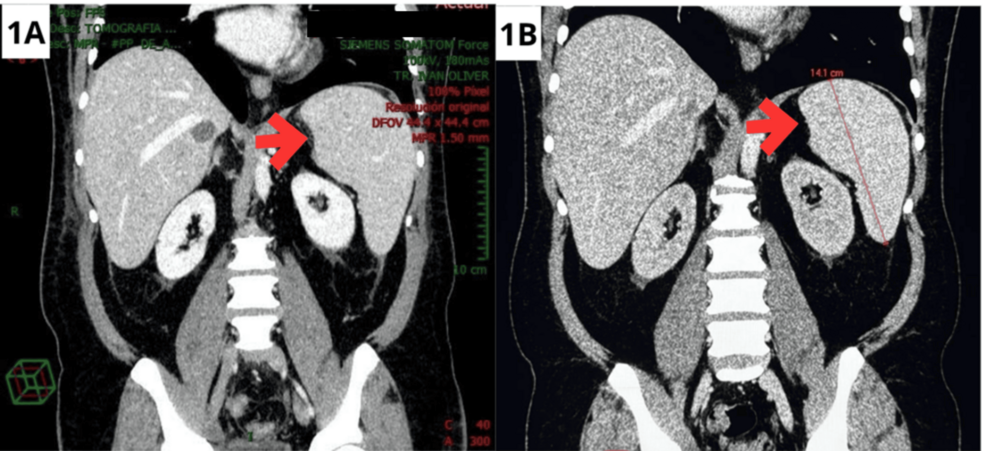
In this case, the patient’s spleen was enlarged (splenomegaly), a common finding in HIV-related thrombocytopenia. Removing it not only resolved the sequestration but also improved the patient’s overall immune function.
3. Anesthetic Innovation Was Key to Survival
The use of awake fiberoptic intubation, goal-directed fluid therapy, and cell salvage were critical in this case. “This wasn’t just about following a script—it was about adapting in real time,” said Dr. Vasquez. “Every decision had to be made with the understanding that the patient’s body was already fighting multiple battles.”
Similar approaches have been used in trauma cases with extreme thrombocytopenia, but this case highlights the need for such techniques in HIV-related surgeries as well.
4. The Role of Multidisciplinary Teams
The success of this procedure depended on collaboration between anesthesiologists, surgeons, infectious disease specialists, and hematologists. “No single specialty could have managed this alone,” said Dr. Chen. “It took a team to pull it off.”
This underscores the importance of integrated care models in managing complex cases, particularly in patients with multiple comorbidities.
Broader Implications: How This Case Could Change Practice
While this remains a single case report, it raises important questions about how anesthesiologists and surgeons approach high-risk procedures in HIV-positive patients with platelet disorders. Several potential shifts in practice could emerge:
1. Revisiting Preoperative Platelet Transfusion Protocols
Current guidelines often recommend platelet transfusions for counts below 50,000/mcL in surgical patients. However, this case suggests that in HIV-related thrombocytopenia, transfusions alone may not be sufficient. “We may need to lower the threshold for considering splenectomy in these patients,” said Dr. Vasquez.
A 2023 position paper from the International Society on Thrombosis and Haemostasis (ISTH) called for further research into platelet management in HIV, noting that existing protocols were largely based on non-HIV populations.
2. Expanding the Use of Awake Intubation Techniques
The success of awake fiberoptic intubation in this case could lead to broader adoption of the technique in high-risk patients. “This isn’t just for HIV patients—it could be useful in any case where coughing or movement is dangerous,” said Dr. Vasquez.
Studies in the Anesthesia & Analgesia journal have shown that awake intubation reduces complications in patients with severe coagulopathies, but its use remains underutilized.
3. Developing HIV-Specific Anesthetic Guidelines
Given the unique challenges posed by HIV, there may be a need for specialized anesthetic protocols. “HIV isn’t just one disease—it’s a constellation of immune, infectious, and metabolic issues that affect every system,” said Dr. Chen. “Anesthesia needs to reflect that complexity.”
Organizations like the ASA and the International AIDS Society could play a role in developing these guidelines, ensuring that future patients benefit from the lessons learned in this case.
4. Increased Awareness of Platelet Sequestration in HIV
This case highlights how often platelet sequestration is overlooked in HIV care. “Many clinicians focus on viral load and CD4 counts but forget that the spleen can be a major driver of bleeding,” said Dr. Vasquez. “We need to screen for splenomegaly and consider splenectomy earlier in these patients.”
Routine abdominal ultrasounds could help identify splenomegaly before it leads to severe thrombocytopenia, allowing for earlier intervention.
What Happens Next? Monitoring for Long-Term Outcomes
The patient in this case has since recovered, with a stable platelet count and no signs of postoperative complications. However, their long-term prognosis depends on several factors:
- HIV management: Continued ART adherence is critical to maintaining viral suppression and immune function.
- Infection prevention: Post-splenectomy, the patient is at higher risk for encapsulated bacterial infections (e.g., pneumococcus, meningococcus). Vaccinations and prophylactic antibiotics will be necessary.
- Hematologic monitoring: Regular blood tests will track platelet recovery and rule out complications like DIC.
- Quality of life: While splenectomy improves platelet function, it also removes a key immune organ. The patient will need lifelong precautions to avoid infections.
This case also serves as a reminder that HIV care is evolving. “Ten years ago, a case like this would have been considered untreatable,” said Dr. Chen. “Today, with better ART, surgical techniques, and anesthetic innovations, we can save lives—but only if we’re willing to think outside the box.”
As more cases like this are documented, the medical community may refine its approach to managing HIV-related thrombocytopenia and high-risk surgeries. For now, this splenectomy stands as a testament to what can be achieved when specialists collaborate to overcome seemingly insurmountable challenges.
Key Questions Answered
Q: How common is severe thrombocytopenia in HIV-positive patients?
A: Severe thrombocytopenia (platelet count < 20,000/mcL) occurs in about 5–10% of HIV-positive individuals, though extreme cases like this—below 10,000—are rare. Most cases are managed with ART and platelet transfusions, but some require splenectomy when medical treatment fails.
Q: Why is anesthesia riskier in HIV-positive patients?
A: HIV-related immunosuppression, coagulopathies, and interactions between ART and anesthetic drugs increase surgical risks. Additionally, HIV-positive patients may have undiagnosed conditions like hepatitis or opportunistic infections that complicate anesthesia.
Q: Could this patient have avoided splenectomy?
A: In this case, splenectomy was necessary because the spleen was actively sequestering platelets, and medical treatments (including high-dose steroids and IVIG) had failed. However, earlier intervention—such as screening for splenomegaly—might have prevented the condition from worsening.
Q: What are the biggest risks of splenectomy in HIV patients?
A: The primary risks include postoperative infections (due to loss of immune function), bleeding complications (if thrombocytopenia persists), and the need for lifelong vaccinations and antibiotics. The patient in this case required intensive monitoring to mitigate these risks.
Q: Are there alternative treatments to splenectomy for HIV-related thrombocytopenia?
A: Alternative treatments include high-dose corticosteroids, intravenous immunoglobulin (IVIG), and rituximab (a monoclonal antibody). However, these are less effective in severe cases where the spleen is the primary driver of platelet destruction.
Q: How might this case change future anesthetic practices?
A: This case may lead to greater use of awake intubation techniques in high-risk patients, earlier consideration of splenectomy in HIV-related thrombocytopenia, and the development of HIV-specific anesthetic guidelines. It also highlights the need for multidisciplinary collaboration in complex cases.
