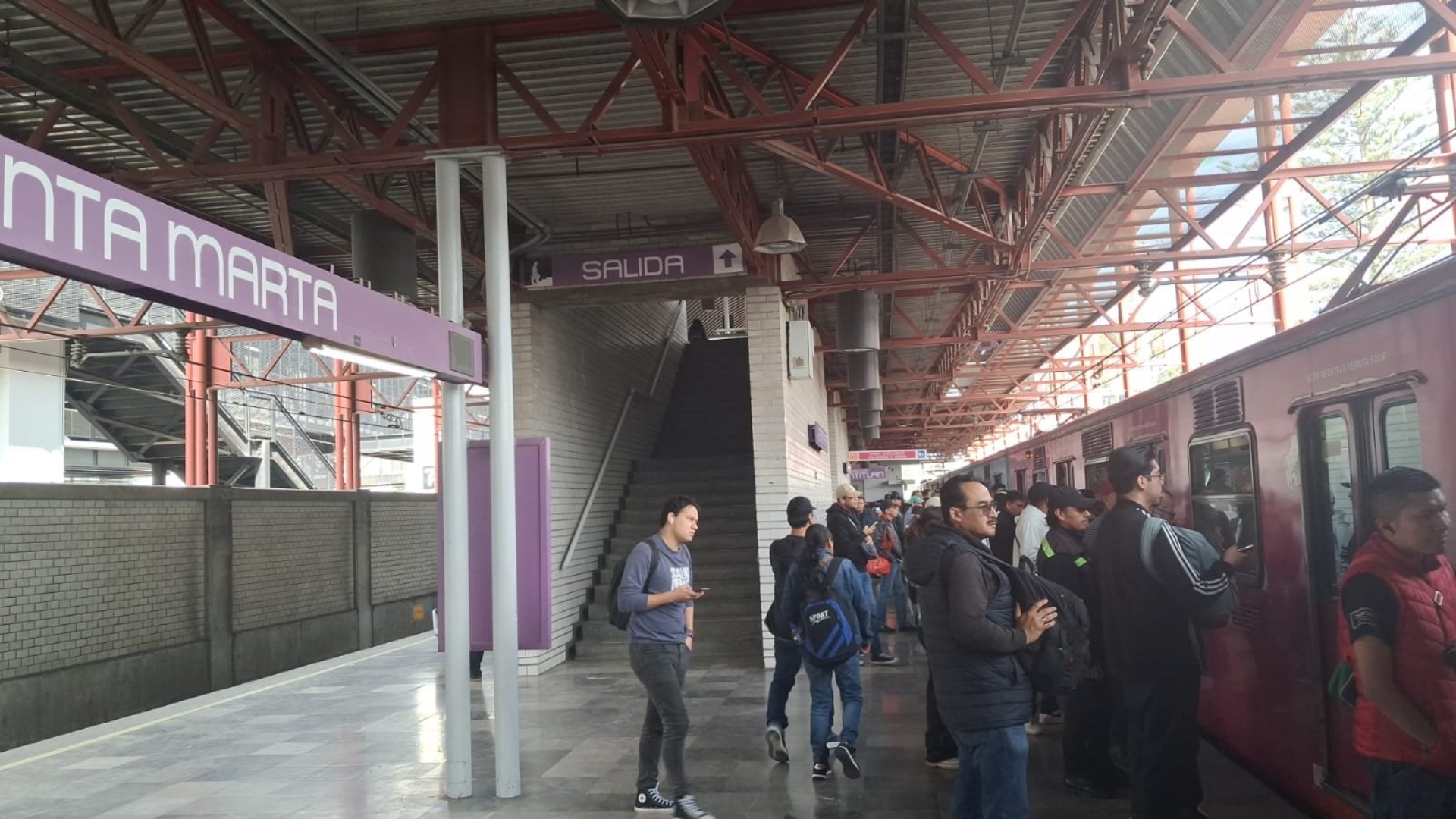
The Línea A of Mexico City’s Metro system fully resumed service on June 22 after a 24-hour suspension triggered by heavy rainfall that flooded sections of the line, cutting off service between Santa Martha and La Paz stations.
According to local media reports, the Metro’s Línea A—one of the city’s oldest and most heavily used lines—was hit hardest by the storm, which caused flooding in tunnels and forced authorities to halt operations between 5:30 a.m. and 5:30 p.m. on June 21. While other lines experienced delays, Línea A’s full shutdown disrupted commutes for tens of thousands of daily riders.
Why Did Línea A Shut Down?
The suspension came after extreme rainfall in the eastern Valley of Mexico overwhelmed drainage systems, flooding tunnels between Santa Martha and La Paz. Authorities cited safety concerns, including the risk of electrical failures and structural damage, as the primary reason for the shutdown, according to public statements.
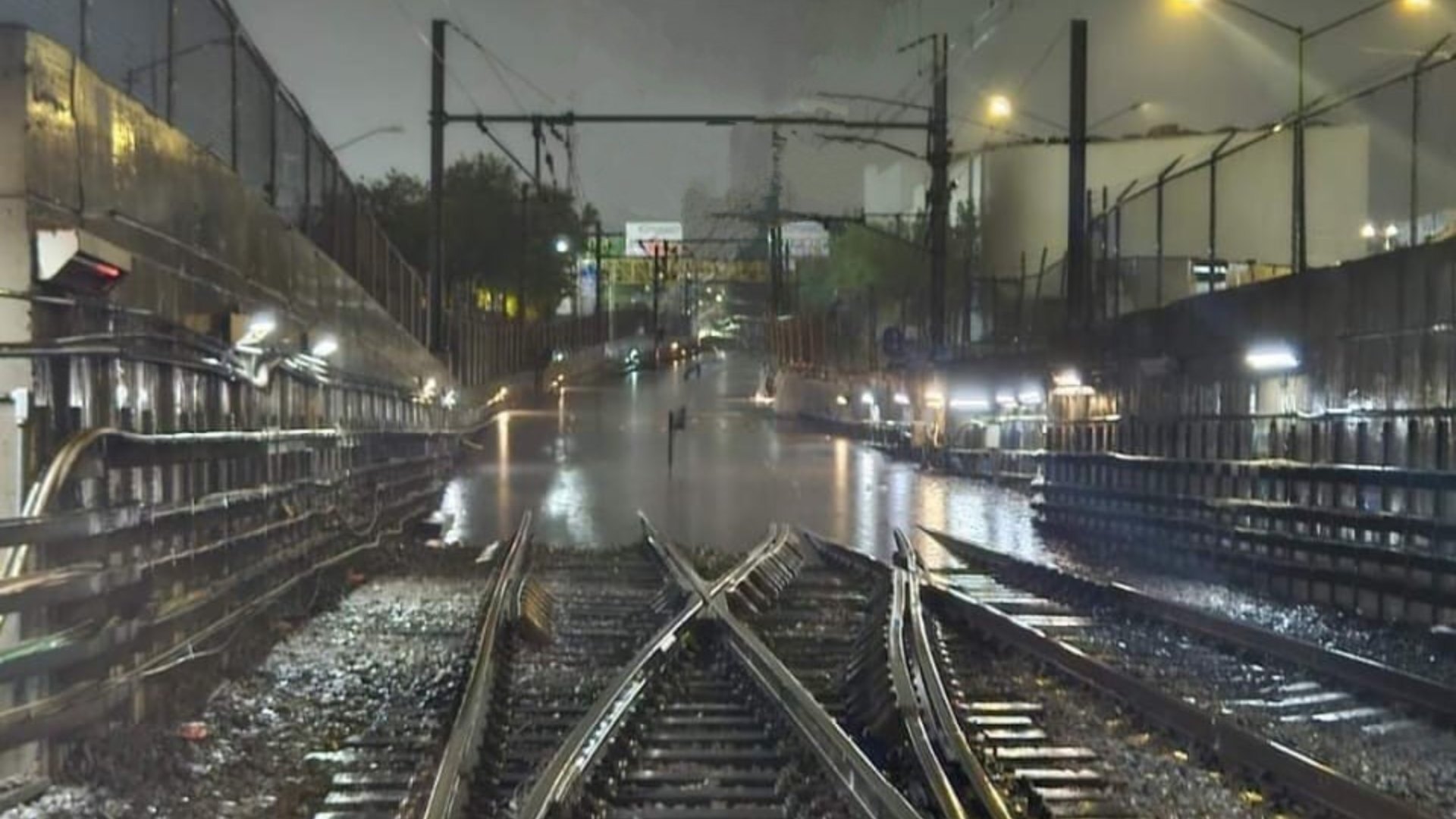
By contrast, other Metro lines—including Líneas B, C, and D—operated with delays, but Línea A’s full halt was the most severe disruption. The decision to close the line was made after engineers assessed the damage, with officials emphasizing that partial reopenings posed unacceptable risks.
How Did Riders React?
Passengers expressed frustration on social media, with many highlighting the lack of real-time updates from Metro authorities. One commuter told Quadratín that the shutdown left workers stranded for hours, while others criticized the absence of alternative transit options during the closure.
By June 22, however, service was fully restored, with Metro officials confirming that all stations—including Pantitlán, La Paz, and La Venta—were operational again. The rapid reopening suggests that while the storm caused significant short-term chaos, infrastructure repairs were minimal.
What’s Next for the Metro?
While the immediate crisis has passed, the incident raises questions about the Metro’s resilience in the face of increasingly frequent extreme weather events. Mexico City has seen a rise in heavy rainfall in recent years, with climate experts warning of worse flooding ahead. For now, authorities have not announced long-term infrastructure upgrades, but the shutdown serves as a reminder of the system’s vulnerability.
For commuters, the takeaway is clear: check real-time updates before heading to stations during stormy weather. The Metro’s ability to recover quickly—though welcome—also underscores the need for better communication during disruptions.
