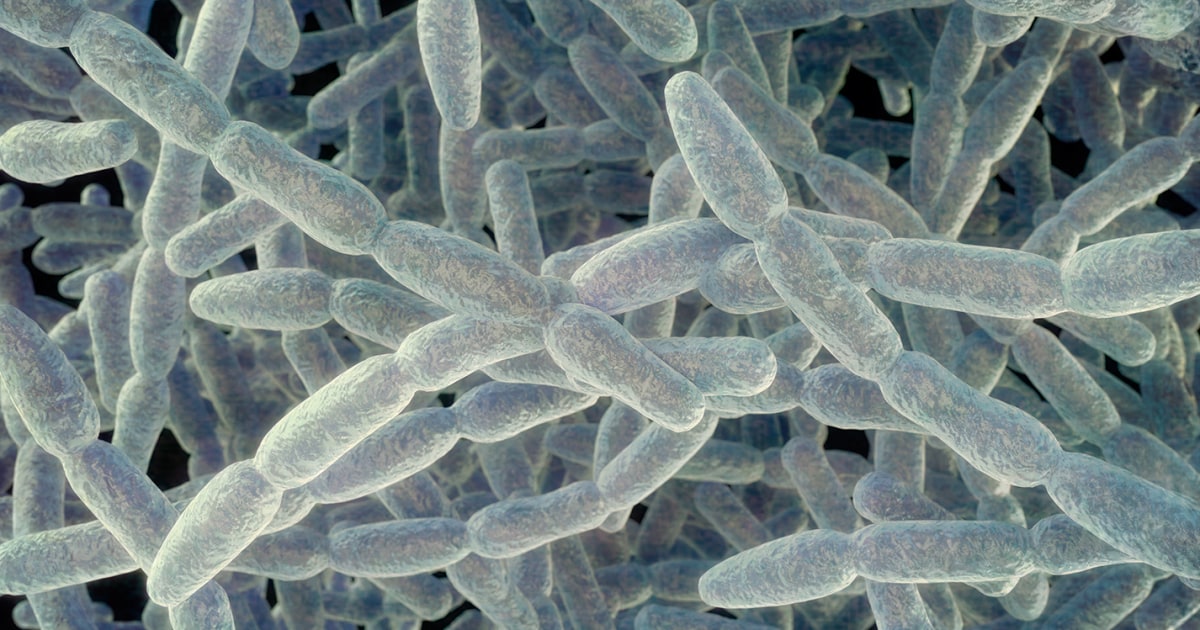
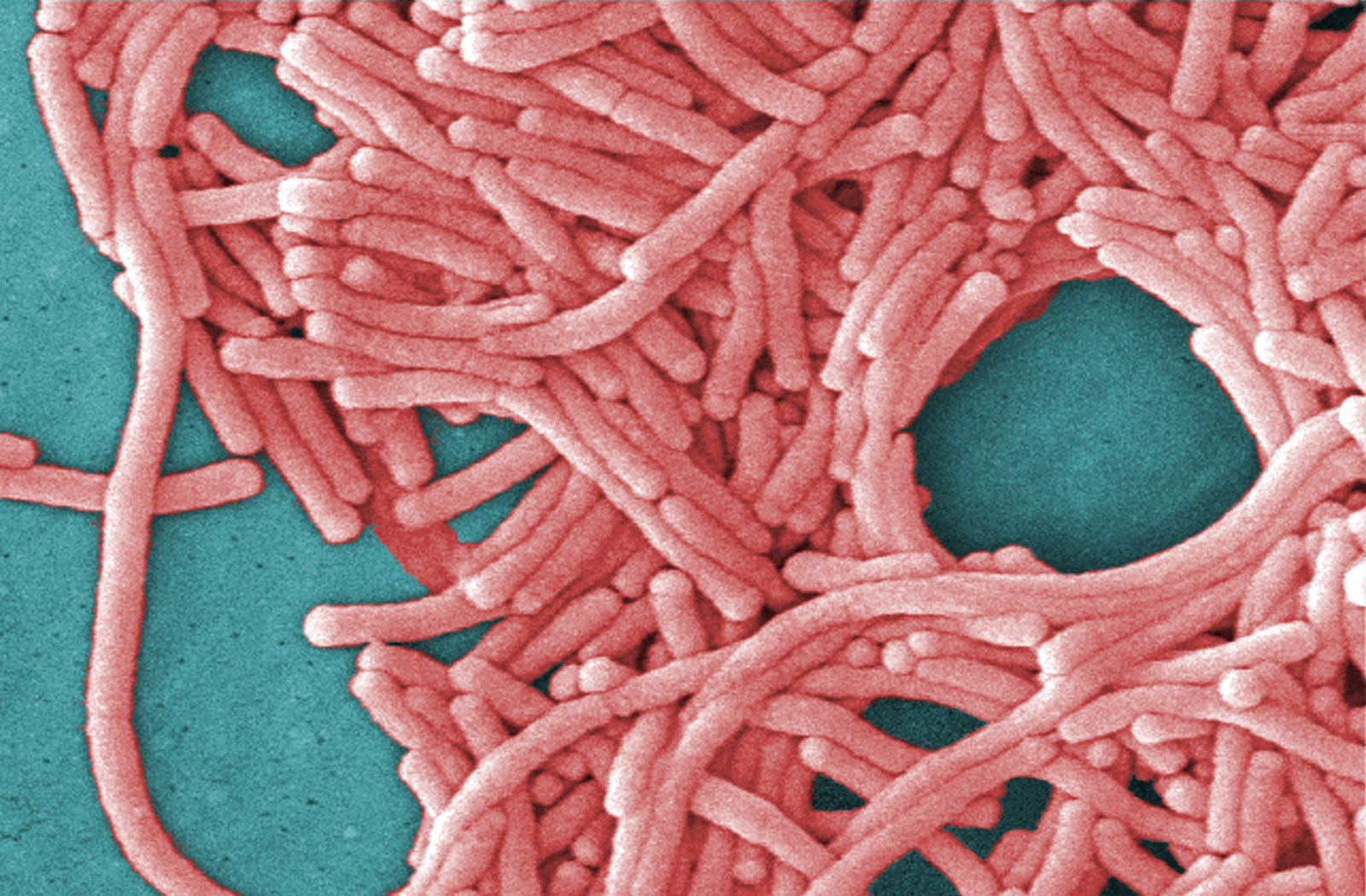
Guggenheim Museum among buildings testing positive for Legionella bacteria
New York City health authorities identified 31 buildings with cooling towers testing positive for Legionella during an investigation into a disease cluster. The Guggenheim Museum has completed mandatory disinfection and remains open.

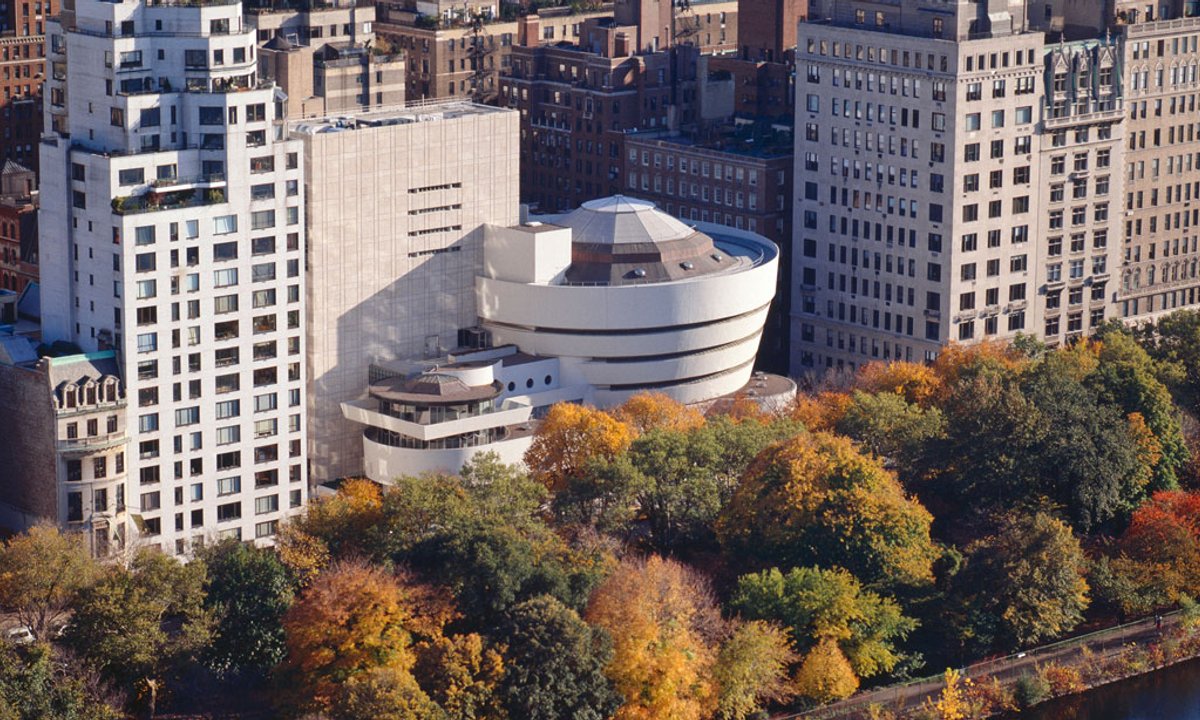
The Solomon R. Guggenheim Museum, a UNESCO World Heritage site, is among 31 Upper East Side properties identified by city health authorities as having cooling towers that preliminarily tested positive for Legionella bacteria. The discovery comes as New York City investigates an ongoing cluster of Legionnaires’ disease cases, a severe form of pneumonia that has affected residents and visitors in the Carnegie Hill and Yorkville neighborhoods.
New York City health officials released the list on Friday, 10 July 2026, as part of an aggressive response to the cluster, which the Mamdani administration described as a move toward greater transparency. Unlike previous investigations, the city is mandating that owners of any building with a positive polymerase chain reaction (PCR) test result immediately drain, clean, and disinfect their cooling towers. This action is taken out of an "abundance of caution," as PCR screenings cannot distinguish between live bacteria, which can cause illness, and dead bacteria, which are inert.
Related media


Building Status and Remediation
The Guggenheim, located at 1071 Fifth Ave., was among the 19 buildings that completed the required remediation by the time the list was published. The remaining 12 buildings on the city's initial list were ordered to finish their disinfection processes by Saturday, 11 July 2026. Guggenheim leadership confirmed that the museum, which averages 1,100 daily visitors, has remained open throughout the process.
"The city has confirmed that there is no additional action needed at this time, and this poses no risk to anyone inside the building."
Guggenheim spokesperson, via AP News
The museum maintains a contract with an outside firm for monthly testing and treatment of its cooling infrastructure. Union representatives from UAW Local 2110, which represents museum employees, stated they are satisfied with the current remediation efforts and noted that the tower is not accessible to the general public or most staff members.
Public Health Context
While the list of 31 buildings has drawn significant public attention, officials emphasized that these findings do not confirm a specific building as the source of the current health cluster. Laboratory culture testing, which can confirm the presence of live bacteria, is underway for all sampled towers. These results can take approximately two weeks to complete.
According to city health department data released Friday, 46 people have been diagnosed with Legionnaires' disease in connection with the outbreak. Of those, 22 remained hospitalized, while 19 had been discharged and five did not require admission. No deaths have been reported to date.
Safety Guidance
Health officials continue to state that it remains safe for neighborhood residents to drink tap water, bathe, shower, and use home air conditioning. The bacteria, which thrive in warm water, are spread through the inhalation of fine mist emitted by cooling towers—a component of large refrigeration and climate-control systems—rather than through plumbing or indoor air-handling units. Because the disease is not transmitted from person to person, authorities do not recommend the use of masks.
What to watch next:
- Pending Results: Further PCR testing is ongoing at the city's Public Health Laboratory, and officials expect additional buildings may be added to the list.
- Investigation Timeline: Culture testing results are expected within two weeks, at which point health authorities will use whole-genome sequencing to compare bacteria from cooling towers against samples taken from patients to identify the outbreak's origin.
- Potential Symptoms: Since the incubation period for Legionnaires’ disease can range from two to 14 days, the city expects new cases to appear even after all suspected towers are remediated. Health providers advise those who visited the area since late June to seek medical care if they develop symptoms like cough, fever, or shortness of breath.
The city's investigation is centered on ZIP codes 10028, 10128, and 10075. Officials reported that records from recent inspections show over half of the neighborhood's cooling towers had previously faced issues with regulatory compliance, including missed routine monitoring or failures to submit required test results to the city.
Archypedia is dedicated to independent, evidence-backed reporting. This briefing was synthesized from primary source reporting, corroborated across independent newsrooms, and verified against our Editorial Standards.
Transparency record
Evidence behind this report
This report synthesizes 10 distinct sources. Open the source ledger below to compare the underlying coverage.
- apnews.com
- nypost.com
- usatoday.com
- amny.com
- theartnewspaper.com
- timesnownews.com
- hyperallergic.com
- nyc.gov
- abc7ny.com
- yahoo.com
Prepared under the Archypedia Editorial Policy by the Lina Park editorial desk profile. AI-assisted tools may support drafting and verification; public accountability remains with Archypedia. Report an error.