Biogen tau-targeting Alzheimer’s drug slows cognitive decline in study
Researchers have unveiled mid-stage trial results for diranersen, an experimental drug that reduces abnormal tau production in Alzheimer’s patients.

Researchers have reported new findings involving an experimental drug, diranersen, that appears to slow cognitive decline in patients with early Alzheimer’s disease. Presented Tuesday at the Alzheimer’s Association International Conference in London, the results offer a potential alternative to the current generation of therapies that target amyloid proteins.
While approved treatments like lecanemab and donanemab focus on clearing amyloid buildup, diranersen operates by targeting tau, a different protein involved in the progression of Alzheimer’s. According to researchers, diranersen is an antisense oligonucleotide that works by instructing a tau-producing gene to reduce its output, effectively lowering the amount of abnormal tau that the brain's internal clearance mechanisms must process. As Dr. Cath Mummery of University College London, who led the research, explained, If you lower tau production, you are lowering the amount of the abnormal tau that needs to be cleared by the microglia, by the clearance mechanism in the brain. And so you are enabling the normal clearance mechanism to have more capacity to clear the tau.
Related media
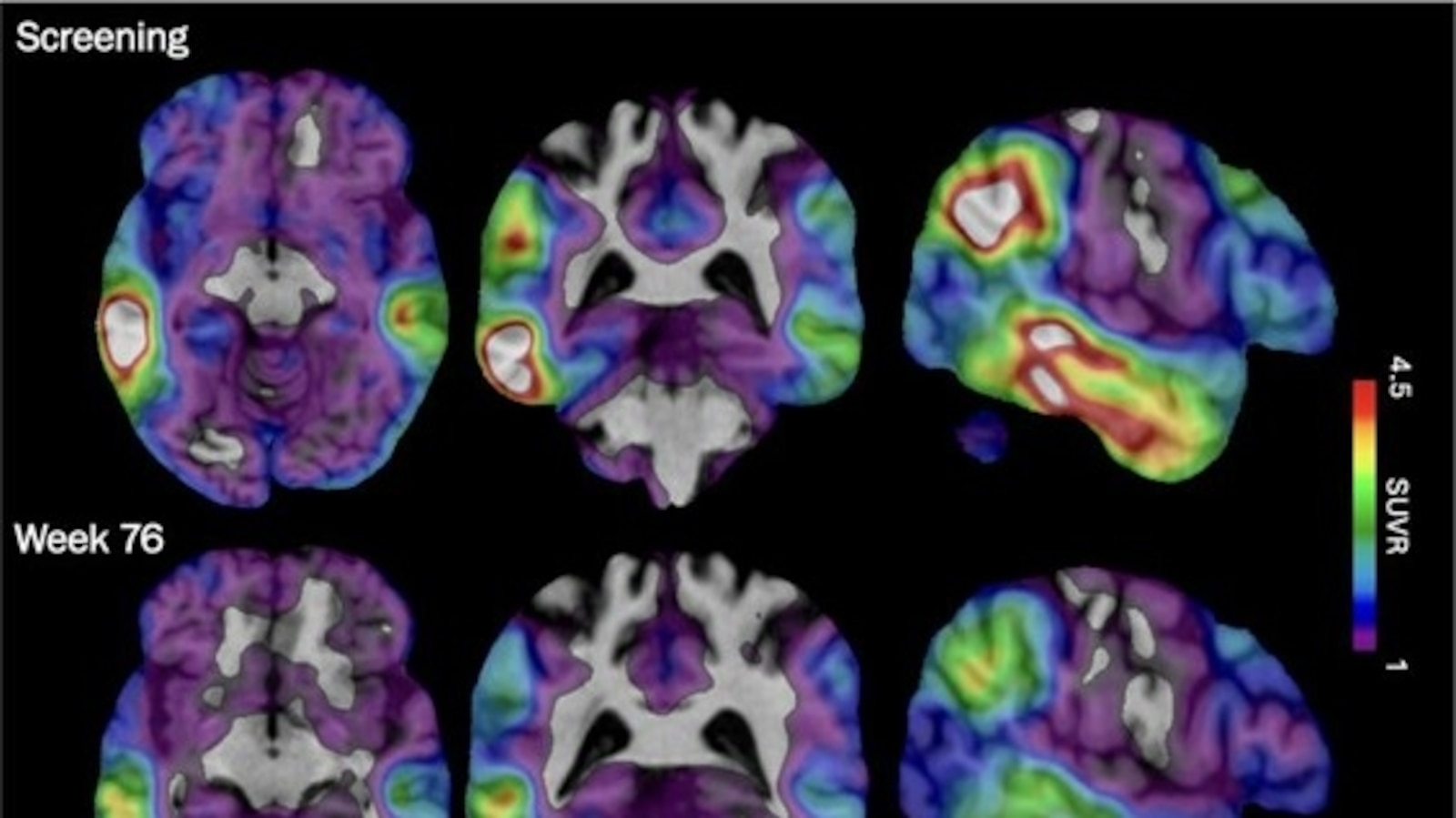
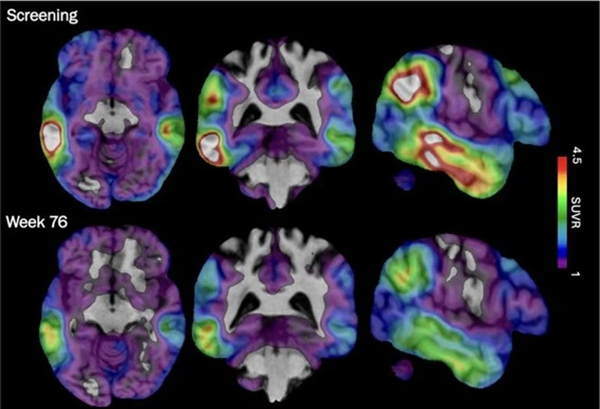
The study, which tracked approximately 400 individuals with mild cognitive impairment or mild Alzheimer’s, showed that the drug slowed cognitive decline in participants. In one test of the lowest dose, the drug was associated with a 26% reduction in cognitive decline. Mummery noted this result was approximately the same
change seen in earlier tests of amyloid-targeting therapies.
A Counterintuitive Clinical Trial Result
The mid-stage "Celia" trial experienced a notable deviation from its initial objectives. Biogen and partner Ionis Pharmaceuticals, who originally developed the drug before a 2018 agreement, found that the lowest dose provided the strongest effect. This discovery meant the trial did not meet its planned goal of demonstrating that higher doses would yield greater benefits. Biogen disclosed this in mid-May, yet the company maintains that the observed cognitive benefits and tau reductions warrant advancement into further testing.
Clinical data from the trial highlighted other points of interest:
- Treatment Delivery: Unlike amyloid-targeting infusions given through the bloodstream, diranersen is injected into the fluid surrounding the spinal cord, a route intended to provide a more direct path to the brain.
- Safety Profile: Reported side effects included injection site pain and temporary
confusional states
occurring a few days after the shot and last about a week. Notably, the study reported no signs of brain inflammation, a condition that has been observed in some patients receiving anti-amyloid treatments. - Participant Retention: Of those who completed the core portion of the study, over 90% chose to continue into an extension phase.
The Shifting Focus of Alzheimer's Research
The potential for tau-targeting therapies has historically faced skepticism due to previous clinical failures. However, experts suggest that the current findings may shift perceptions within the scientific community. Dr. Reisa Sperling of Mass General Brigham, who was not involved in the study, noted that while the research is in early days,
she believes it will reinvigorate interest and investment in lots of tau mechanisms, and the field needs that.
Similarly, Jessica Langbaum of the Banner Alzheimer’s Institute described the findings as really quite promising if it were to hold up.
Diana Gallagher, who heads development units for Biogen, stated, This is really the first time anyone has shown tau reduction … leads to cognitive benefit at an effect that looks comparable to amyloid lowering.
The broader field is currently exploring diverse approaches to the disease. The University of California, San Francisco, recently launched the "Alzheimer’s Tau Platform," a study funded by the National Institutes of Health designed to evaluate multiple anti-tau therapies and combination approaches. Furthermore, researchers are investigating the potential of cholesterol-lowering drugs like obicetrapib, which may impact disease risk for individuals carrying the APOE4 gene, as well as new "transport vehicle" technologies designed to assist drugs in crossing the blood-brain barrier more efficiently.
What to Watch Next
As Biogen moves to plan a larger study to verify the benefits of diranersen, industry analysts remain divided on the investment strategy. Some, such as Joshua Schmidt of Cantor Fitzgerald, have raised questions regarding the probability of success for such a large-scale neurodegenerative program compared to other corporate pipeline priorities. Schmidt estimated a Phase 3 program could cost around $580 million.
Archypedia is dedicated to independent, evidence-backed reporting. This briefing was synthesized from primary source reporting, corroborated across independent newsrooms, and verified against our Editorial Standards.
Transparency record
Evidence behind this report
This report synthesizes 10 distinct sources. Open the source ledger below to compare the underlying coverage.
- wxxv25.com
- bostonherald.com
- yahoo.com
- abcnews.com
- latimes.com
- independent.co.uk
- sciencedaily.com
- alzheimersresearchuk.org
- mercurynews.com
- vinnews.com
Prepared under the Archypedia Editorial Policy by the Elena Voss editorial desk profile. AI-assisted tools may support drafting and verification; public accountability remains with Archypedia. Report an error.


