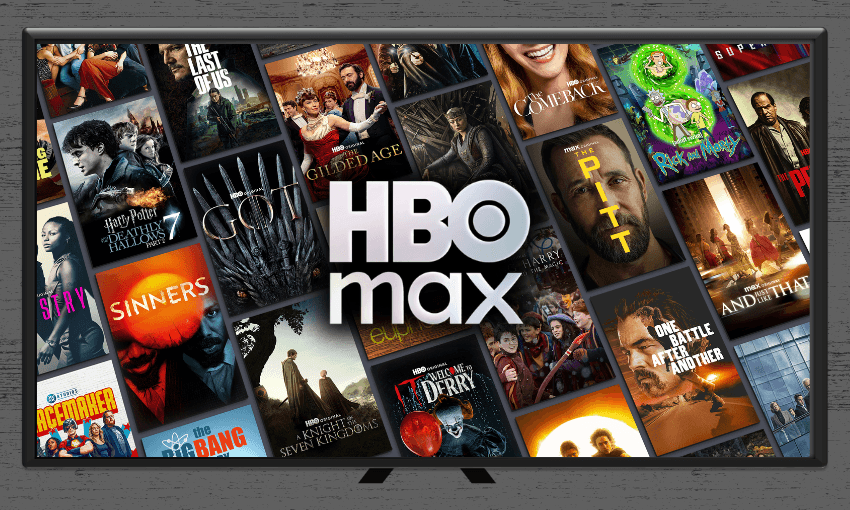
Everything You Need to Know About HBO Max: How the Shift to Max Affects Your Favorite Shows
Max integrates prestige HBO content with Discovery+ reality programming following the Warner Bros. Discovery merger. This transition involves rebranding, price adjustments, and the removal of specific titles to optimize tax liabilities, impacting how subscribers access original series and licensed films globally.
What is the difference between HBO Max and Max?
The transition from HBO Max to Max represents a strategic pivot by Warner Bros. Discovery (WBD) to broaden the service’s appeal. While HBO Max focused primarily on high-end, “prestige” scripted content, Max incorporates a vast library of unscripted “lifestyle” content from Discovery+, including brands like HGTV, Food Network, and TLC. According to company statements, the rebranding aims to move away from the perceived exclusivity of the HBO brand to attract a wider demographic of viewers.
The core difference lies in the content mix. HBO Max was essentially a digital home for the HBO cable network and Warner Bros. films. Max is a comprehensive entertainment hub. This means a single interface now hosts both The Sopranos and 90 Day Fiancé. For the user, this change manifests as a new app interface and a reorganized content library designed to surface a more diverse range of genres.
| Feature | HBO Max (Former) | Max (Current) |
|---|---|---|
| Primary Content | Prestige Drama, Cinema, Animation | Drama, Cinema, Reality TV, Lifestyle |
| Parent Company | WarnerMedia | Warner Bros. Discovery |
| Content Strategy | Quality-driven “Prestige” focus | Volume and variety “Hub” focus |
| Integration | Standalone streaming app | Merged HBO and Discovery+ libraries |
Why is content being removed from the platform?
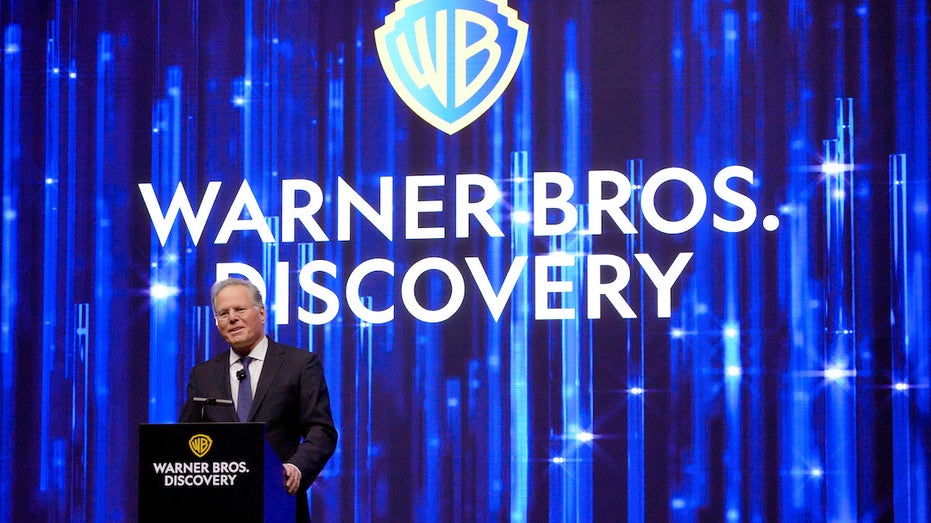
Subscribers have noted the disappearance of several original series and films. This is not a technical glitch but a deliberate financial strategy. Warner Bros. Discovery CEO David Zaslav has overseen a series of “content write-downs,” where the company removes titles from the platform to claim tax deductions for the loss of the asset’s value.
According to financial reports and industry analysts, this move allows the company to reduce its tax burden and lower the costs associated with maintaining “residual” payments—the fees paid to actors, directors, and writers when a show continues to air or stream. This strategy has led to the removal of completed but unreleased projects, such as the Batgirl film, and the purging of existing series like Westworld in several markets.
- Tax Write-offs: Removing content allows WBD to write off the production costs against their taxable income.
- Licensing Revenue: By removing a show from Max, WBD can license that content to other platforms (like Netflix), creating a new revenue stream.
- Cost Reduction: Eliminating underperforming titles reduces the overhead of hosting and promoting content that doesn’t drive new subscriptions.
This shift marks a departure from the “growth at all costs” era of streaming, where platforms kept every piece of content they owned to entice subscribers. WBD is instead prioritizing profitability and balance-sheet optimization.
How does the Max transition affect regional availability?
The rollout of Max is not uniform across the globe. The availability of the service depends on existing licensing agreements and partnerships with local cable providers. In the United States, the transition was a direct app replacement. However, in other territories, the strategy differs.
In the United Kingdom and Ireland, HBO content has traditionally been housed within Sky and Now. In Australia and New Zealand, content is often distributed via Binge or Foxtel. Warner Bros. Discovery has indicated plans to expand the Max app into these markets, but the timeline varies. When Max launches in a new region, it often displaces previous licensing deals, meaning some shows may move from a local provider directly to the Max app.
For viewers in non-US markets, this creates a fragmented experience. Some may keep their current subscription to a third-party provider, while others will be forced to migrate to Max to continue watching new releases like House of the Dragon or The Last of Us. related explainer on streaming regional lockdowns
What happens to “Prestige TV” in a reality-heavy app?
The integration of Discovery+ content has sparked a debate regarding the “dilution” of the HBO brand. For decades, HBO was synonymous with high-budget, cinematic storytelling. The inclusion of “comfort TV” and reality programming changes the platform’s identity.
Warner Bros. Discovery has addressed this by implementing “hubs” within the app. Instead of a monolithic list of shows, Max organizes content into categories: HBO, DC, Max Originals, Discovery, and TCM. This allows the company to maintain the prestige aura of the HBO hub while leveraging the high-volume viewership of the Discovery hub.
Industry observers suggest this is a response to “subscription fatigue.” Users are less likely to pay for two separate services (one for prestige drama and one for home renovation shows) than for one comprehensive service that covers both. By combining these libraries, WBD aims to reduce “churn”—the rate at which subscribers cancel their service.
Key shifts in content philosophy:
- From Niche to Broad: Moving from a target audience of “cinephiles” to a general audience.
- Budget Reallocation: Some reports suggest a shift in funding toward projects with broader commercial appeal rather than experimental “prestige” pieces.
- Hybrid Programming: An increase in “prestige unscripted” content that attempts to blend high production values with reality formats.
Understanding the new pricing tiers and ad-supported models
Along with the name change, Max introduced a tiered pricing structure. This is part of a broader industry trend where streaming services move away from a single ad-free price point toward a “multi-tier” model to capture different segments of the market.
The current structure typically includes:
- With Ads: The lowest price point, designed to attract budget-conscious viewers while generating consistent revenue for WBD via advertisers.
- Ad-Free: A mid-tier option that removes commercials and allows for some offline downloads.
- Ultimate Ad-Free: The premium tier, which offers 4K UHD resolution, Dolby Atmos sound, and a higher number of concurrent streams.
This pricing shift indicates that WBD no longer views subscription fees as the sole source of income. Ad-supported tiers provide a “floor” of revenue that is less volatile than monthly subscriptions, especially during economic downturns. analysis of the streaming wars pricing trends
Common misconceptions about the Max transition
Several myths have circulated regarding the rebranding and content changes. Clarifying these helps subscribers understand what to actually expect from their service.
“The removal of content is often viewed as a failure of the show itself, but in the case of Max, it is frequently a financial decision based on tax law rather than viewership numbers.”
Misconception 1: “If a show is removed, it’s because nobody watched it.”
Not necessarily. Some shows with healthy viewership are removed because the cost of the residuals outweighs the value of the subscription growth they generate, or because the tax write-off is more valuable to the company’s bottom line than the streaming numbers.
Misconception 2: “HBO is becoming a reality TV channel.”
HBO remains a distinct brand and “hub” within Max. While the parent app is broader, the HBO production pipeline continues to focus on high-end scripted series. The “reality” content comes from the Discovery side of the merger, not from a change in HBO’s creative mandate.
Misconception 3: “Max is just a renamed HBO Max.”
While it seems like a simple name change, the backend integration of the Discovery+ library and the shift in financial strategy (write-offs and licensing) make it a fundamentally different business model.
What to watch for in the coming months
The evolution of Max is ongoing. Subscribers should monitor three key areas to understand how their viewing experience will change.
First is the Global Expansion. As Max launches in more European and Asian markets, the landscape of local streaming partnerships will shift. This may result in price hikes or the need for new subscriptions in regions where HBO content was previously bundled.
Second is the Licensing Pivot. Expect more “HBO Originals” to appear on competing platforms. If WBD decides that a show is more valuable as a licensed product than as a “Max Original,” it will move. This means your favorite show might leave Max only to reappear on another service a few months later.
Third is the Bundle Integration. There are ongoing industry rumors regarding “super-bundles” where multiple streaming services (such as Max, Disney+, and Hulu) are offered as a single package. WBD’s move toward a broader content library makes them a prime candidate for these types of partnerships.
Frequently Asked Questions
Will my HBO Max subscription automatically switch to Max?
In most regions, including the US, subscriptions migrated automatically. Users were prompted to download the new Max app and sign in using their existing credentials. In regions where Max has not yet launched, users continue to access content through their current providers.
Why did some of my favorite shows disappear from the library?
Warner Bros. Discovery has removed certain titles to claim tax write-offs or to license the content to other streaming platforms. This is a financial strategy to increase profitability and reduce residual payments.

Can I still get just HBO without the Discovery+ content?
Generally, no. The Max app is a bundled service. While you can navigate to the specific HBO hub to avoid reality content, the subscription itself covers the entire combined library of Warner Bros. Discovery.
Is Max available in my country?
Max is available in the US and several other international markets. In many countries, HBO content is still provided through partners like Sky, Binge, or Foxtel. Check the official Warner Bros. Discovery regional announcements for the most current rollout schedule.
Does the ad-supported tier affect the quality of the shows?
The content of the shows remains the same regardless of the tier. However, the ad-supported tier typically offers lower video resolution (usually 1080p) compared to the Ultimate Ad-Free tier, which supports 4K UHD.
