
A 47-year-old former athlete and lifelong nonsmoker was diagnosed with lung cancer in 2023, a case that reflects a growing trend: nearly 1 in 5 lung cancer diagnoses now occur in people who have never smoked, according to oncologists and public health data.
While tobacco remains the leading cause—responsible for 90% of lung cancer cases—experts say other factors, including environmental exposures, genetic predisposition, and even secondhand smoke, are increasingly being recognized as contributors. The shift has prompted calls for earlier screening and better public health strategies to address a disease once overwhelmingly tied to smoking.
Why lung cancer is rising among nonsmokers
Researchers attribute the increase to a mix of factors beyond cigarettes. Radon gas, a naturally occurring radioactive substance, is the second-leading cause of lung cancer in nonsmokers, according to health officials. Air pollution, workplace exposures (such as asbestos or diesel exhaust), and even prior infections like tuberculosis or COVID-19 have also been linked to higher risks in some studies.
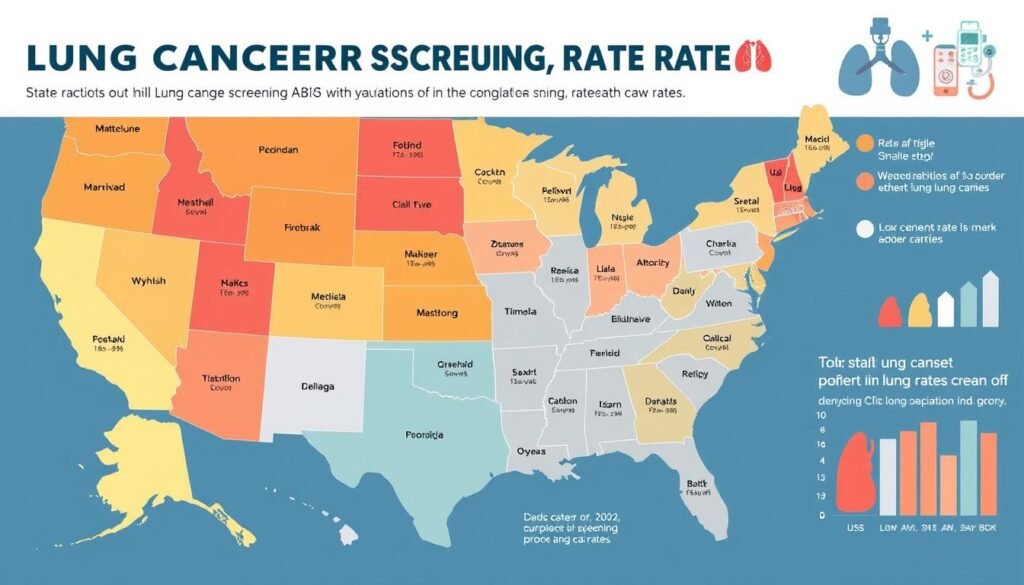
“We’re seeing more cases in people with no smoking history because the disease isn’t just about tobacco anymore,” said one oncologist, noting that diagnostic delays—due to symptoms being mistaken for less serious conditions—often worsen outcomes. Early detection remains critical, yet many nonsmokers assume they’re low-risk and delay screening.
How screening is evolving to catch cases earlier
Public health authorities are pushing for broader lung cancer screening, including for nonsmokers with risk factors. Low-dose CT scans, once recommended only for heavy smokers, are now being studied for high-risk nonsmokers, particularly those with a family history of the disease or prolonged exposure to radon or pollution.

In France, a 2023 case study highlighted a 47-year-old basketball coach—an active, nonsmoking woman—whose diagnosis underscored the need for expanded screening protocols. “This isn’t just a smoker’s disease anymore,” said a public health researcher. “We need to adjust our messaging and access to testing.”
Key Findings
- 90% of lung cancer cases are still linked to smoking, but nonsmoker diagnoses now account for 15–20% of cases.
- Radon gas, air pollution, and occupational hazards are primary nonsmoking risk factors.
- Screening guidelines are being revised to include high-risk nonsmokers, though coverage varies by region.
- Symptoms in nonsmokers often mimic less severe conditions, leading to delayed diagnoses.
What’s next for research and policy?
Ongoing studies are examining whether genetic testing or biomarkers could identify nonsmokers at higher risk. Meanwhile, advocacy groups are calling for stricter workplace safety regulations and public awareness campaigns targeting nonsmokers. “We’re closer than ever to preventing lung cancer early,” said one health official, “but we need to act on the data we already have.”
For now, experts recommend that anyone with persistent respiratory symptoms—regardless of smoking history—consult a doctor. Screening remains the best tool for early detection, though access and eligibility criteria continue to evolve.
