London’s Olympia Exhibition Centre Reopens After £1.3 Billion Transformation—What’s Inside the Redesigned Venue?
London’s iconic Olympia Exhibition Centre has officially reopened following a £1.3 billion overhaul, emerging as a reimagined hub for events, dining, and entertainment. The revamp—led by architect Thomas Heatherwick—has turned the historic venue into a multi-layered complex featuring a rooftop “sky street,” luxury dining spaces, and a flagship British Airways lounge. With construction spanning over a decade, the project now positions Olympia as a key player in London’s evolving events and hospitality landscape.
Key stakeholders, including British Airways and major hospitality brands, have already secured spaces within the redeveloped site. The centre’s reopening follows years of planning, financial scrutiny, and debates over its cultural and economic impact on West London.
What’s Changed at Olympia After the £1.3 Billion Revamp?
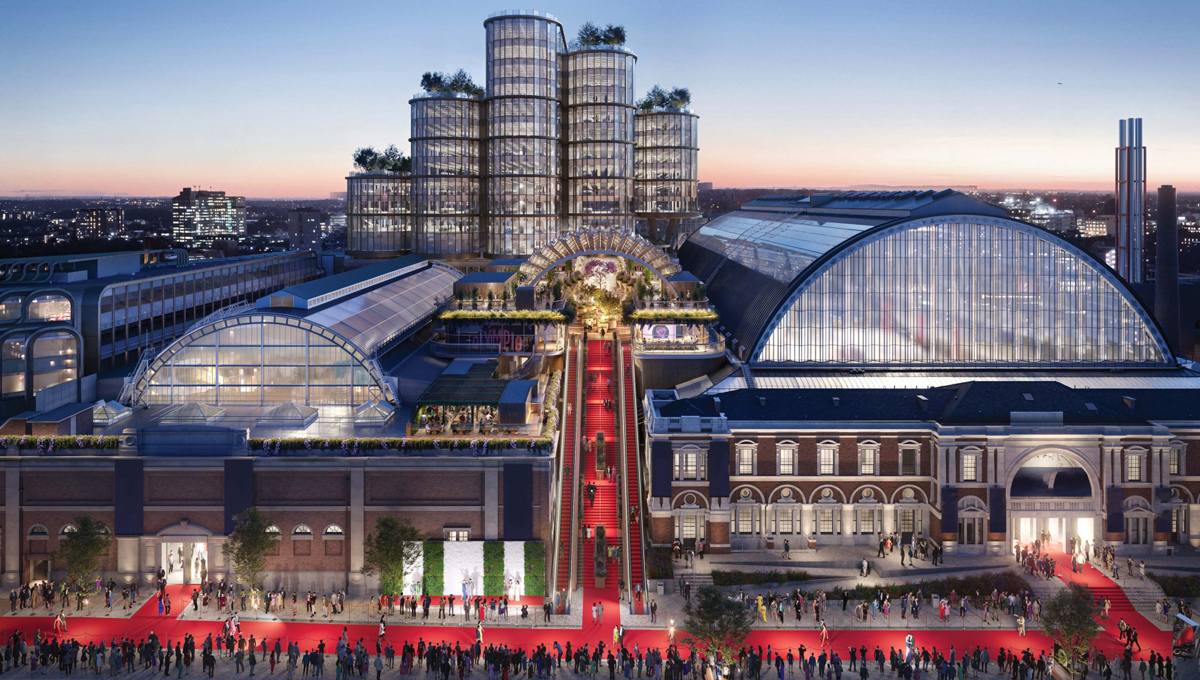
The transformation of Olympia marks one of the most ambitious regeneration projects in London’s recent history. Originally built in 1886 as a Victorian exhibition hall, the venue has been repurposed into a modern complex with:
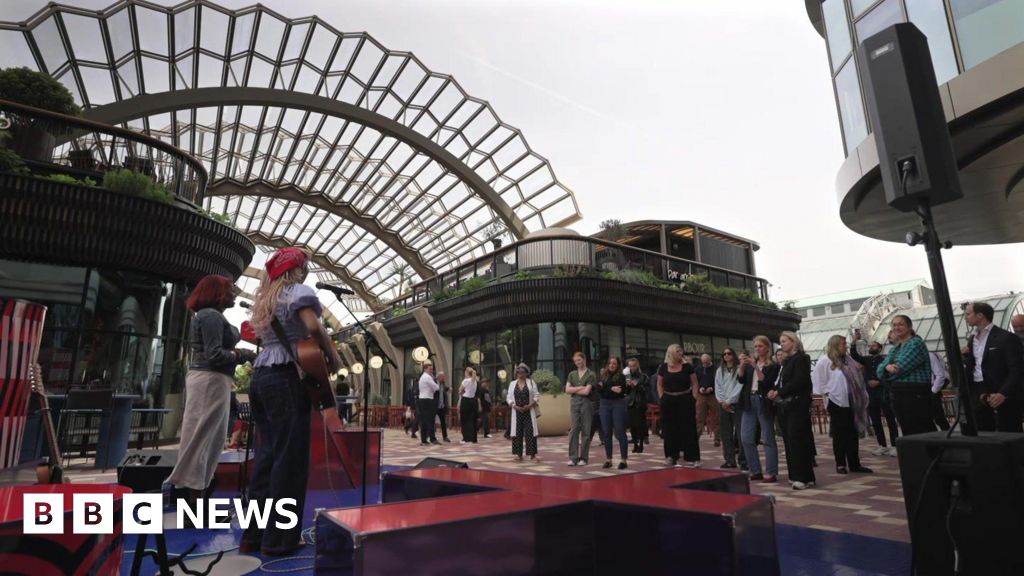
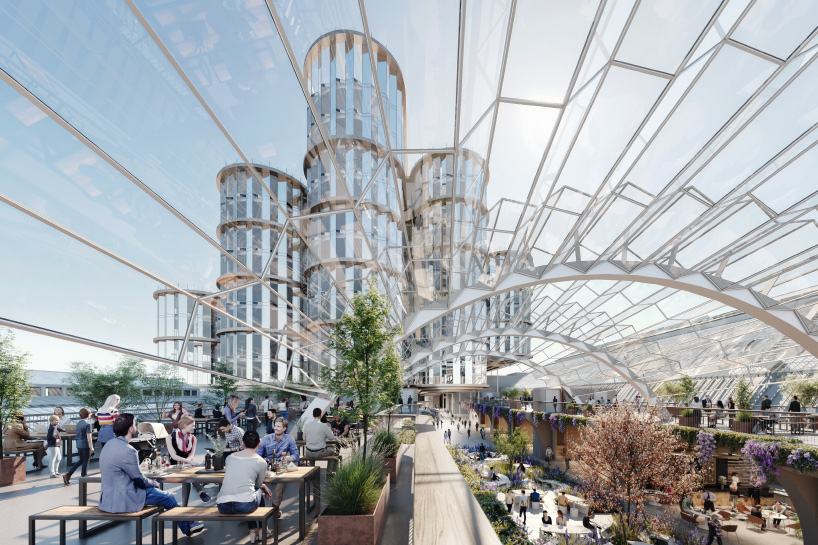
- A rooftop “sky street” designed by Heatherwick Studio, featuring bars, restaurants, and panoramic views of the city.
- British Airways’ ARC lounge, the airline’s first mid-sized venue in London, offering premium amenities for travellers.
- New event spaces, including flexible halls capable of hosting everything from trade shows to concerts.
- Retail and dining outlets, including high-end restaurants and casual eateries, integrated into the venue’s design.
According to project documents, the redevelopment was designed to preserve Olympia’s historic architecture while embedding it within a contemporary urban setting. The sky street, in particular, has been praised for its ability to blend functionality with aesthetic appeal, creating a new public space in West London.
How Long Did the Revamp Take?
The project’s timeline reflects both ambition and complexity. Initial plans were announced in the early 2010s, but construction faced delays due to:
- Funding challenges, including public and private investment negotiations.
- Planning approvals and heritage considerations, given Olympia’s listed status.
- Pandemic-related disruptions, which paused some phases of development.
By 2024, the centre’s reopening marked the culmination of over a decade of work, with the final touches completed in the months leading up to its launch.
Who Is Behind the £1.3 Billion Redevelopment?
The project was a collaboration between multiple stakeholders, each contributing to its vision and execution:
- Thomas Heatherwick Studio: Led the architectural and design aspects, including the sky street and interior spaces.
- British Airways: Secured a flagship lounge within the venue, reinforcing its status as a premium travel hub.
- Olympia Partners: The consortium behind the redevelopment, which included investors and property developers.
- Local authorities: Provided planning approvals and infrastructure support, ensuring the project aligned with London’s economic strategy.
Heatherwick’s involvement was particularly significant, as his designs are known for blending innovation with cultural resonance. The sky street, for example, was conceived as a “street in the sky,” offering a new public realm for Londoners and visitors alike.
How Was the Funding Structured?
The £1.3 billion cost was funded through a mix of:
- Private investment from developers and hospitality groups.
- Public-private partnerships, including contributions from local government.
- Pre-sales of commercial and retail spaces within the venue.
While the exact breakdown of funding sources has not been fully disclosed, industry sources suggest that British Airways’ commitment to the ARC lounge played a key role in securing the project’s financial viability.
Why Does This Redevelopment Matter for London?
The reopening of Olympia is more than a local story—it reflects broader trends in London’s economy and urban development. Here’s why it stands out:
- Economic impact: The project is expected to generate thousands of jobs, both directly within the venue and indirectly through associated businesses.
- Cultural legacy: Olympia’s history as a venue for major exhibitions and events—from the Great Exhibition of 1851 to modern trade shows—means its revival could revive its role as a cultural landmark.
- Hospitality innovation: The inclusion of high-end dining and entertainment spaces aligns with London’s growing reputation as a global destination for leisure and business.
- Transport links: The venue’s proximity to Olympia tube station and major roads ensures it remains accessible, a critical factor for its success.
Critics, however, have raised questions about whether the redevelopment adequately addresses the needs of local communities, particularly in terms of affordable housing and public access. While the sky street offers a new public space, some argue that the focus on luxury hospitality could limit broader benefits.
How Does This Compare to Other Major London Redevelopments?
Olympia’s transformation is part of a wave of high-profile regeneration projects in London, including:
- King’s Cross: A mixed-use development blending retail, offices, and residential spaces.
- Canary Wharf: A financial district that evolved from a docklands area into a global business hub.
- Stratford City: Built for the 2012 Olympics, it now serves as a major commercial and residential zone.
Unlike these projects, which often prioritize residential or office space, Olympia’s redevelopment is heavily focused on events, hospitality, and retail. This distinction raises questions about its long-term sustainability, particularly in a post-pandemic world where demand for large-scale events remains volatile.
What’s Inside Olympia Now?
The redeveloped Olympia offers a mix of spaces tailored to different audiences:
- Event halls: Flexible venues capable of hosting trade shows, concerts, and conferences, with state-of-the-art technology.
- Rooftop sky street: A multi-level outdoor space featuring bars, restaurants, and performance areas, designed to attract both locals and tourists.
- British Airways ARC lounge: A premium lounge offering lounges, dining, and relaxation areas for airline customers.
- Retail and dining: A curated selection of high-street and independent brands, including restaurants and cafés.
One of the most anticipated additions is the sky street, which Heatherwick described as a “new public space for London.” The design incorporates greenery, seating areas, and lighting to create an inviting atmosphere year-round.
Who Will Use the Redesigned Olympia?
The venue’s target audiences include:
- Businesses: Companies hosting trade shows, conferences, and corporate events.
- Tourists: Visitors drawn to the rooftop attractions, dining, and shopping.
- Locals: Residents of West London seeking entertainment and leisure options.
- Air travellers: British Airways customers using the ARC lounge as a pre-flight or post-flight destination.
Early reactions suggest that the redevelopment has successfully appealed to a broad audience, with bookings for events and dining spaces already exceeding expectations in some cases.
What Challenges Remain?
Despite the fanfare surrounding its reopening, Olympia’s future is not without challenges:
- Economic uncertainty: The global economy’s volatility could impact demand for large-scale events and hospitality services.
- Competition: London already has several major event venues, including ExCeL London and the O2 Arena, which could limit Olympia’s market share.
- Community concerns: Some local residents have expressed worries about increased foot traffic and potential strain on local infrastructure.
- Sustainability: The environmental impact of such a large redevelopment—including energy use and waste—has drawn scrutiny from green groups.
Project leaders have emphasized that the redevelopment was designed with sustainability in mind, incorporating energy-efficient systems and materials. However, critics argue that more could have been done to address these concerns proactively.
How Will Success Be Measured?
Success for Olympia will be judged by several key metrics:
- Occupancy rates: How quickly event spaces and retail outlets are booked and utilized.
- Visitor numbers: The volume of people drawn to the sky street and other public areas.
- Financial performance: Whether the investment delivers a strong return for stakeholders.
- Community integration: The extent to which the venue benefits local residents beyond tourism and business.
Early indicators suggest that the venue is off to a strong start, with high-profile events and partnerships already secured. However, long-term success will depend on its ability to adapt to changing market conditions.
What’s Next for Olympia?
The reopening of Olympia marks the beginning of a new chapter, not the end. Key developments to watch include:
- Expansion of event offerings: The venue’s organizers are expected to announce a calendar of major events, including trade shows, concerts, and exhibitions.
- Retail and dining growth: Additional brands and concepts may be introduced as the venue’s popularity grows.
- Community initiatives: Potential programs to engage local residents, such as public art installations or educational events.
- Technological integration: The use of smart technologies to enhance visitor experience, such as digital ticketing and interactive displays.
With its blend of history and innovation, Olympia is poised to become a cornerstone of London’s events and hospitality sector. Whether it fulfils this potential will depend on how well it balances commercial success with community and cultural value.
Frequently Asked Questions About Olympia’s Redevelopment
What was the original purpose of Olympia?
Olympia was originally built in 1886 as a Victorian exhibition hall, hosting major events like the Great Exhibition of 1851. Over the decades, it evolved into a venue for trade shows, concerts, and sporting events.
How much did the redevelopment cost?
The total cost of the redevelopment was £1.3 billion, funded through a combination of private investment, public-private partnerships, and pre-sales of commercial spaces.
Who designed the sky street?
The sky street was designed by architect Thomas Heatherwick, known for blending innovative design with cultural significance. His work on the project includes creating a multi-level outdoor space with bars, restaurants, and performance areas.
When did construction begin?
Initial planning for the redevelopment began in the early 2010s, with construction phases starting around 2015. The project faced delays due to funding challenges and pandemic-related disruptions, with the final touches completed in 2024.
Will Olympia host major events after reopening?
Yes, the venue is already securing high-profile events, including trade shows, concerts, and exhibitions. British Airways’ ARC lounge will also serve as a hub for airline-related gatherings and networking.
How does Olympia compare to other London venues?
Unlike venues like ExCeL London or the O2 Arena, which focus primarily on events and entertainment, Olympia’s redevelopment includes a strong emphasis on hospitality, retail, and public spaces. This makes it a more mixed-use destination, appealing to a broader audience.
