Global Cancer Care Workforce Crisis Threatens Healthcare Systems Amid Rising Disease Burden
The world is on the brink of a severe healthcare emergency as a critical shortage of cancer care professionals threatens to exacerbate an already growing global disease burden. A recent analysis highlights that the global cancer workforce is projected to face a shortfall of over 100 million professionals by the end of the decade, raising alarms about the capacity of healthcare systems to meet the escalating demand for cancer treatment and care.
The Growing Disparity Between Cancer Cases and Healthcare Capacity
As cancer incidence rates continue to climb, the gap between the number of patients requiring care and the availability of trained professionals is widening. Experts warn that without immediate intervention, the shortage will have far-reaching consequences for patient outcomes, healthcare accessibility, and the overall stability of medical systems worldwide.
According to the latest global health assessments, cancer cases are expected to reach 35 million annually by 2050. This surge is attributed to factors such as aging populations, lifestyle changes, and increased exposure to carcinogens. However, the current workforce distribution and training pipelines are not equipped to handle this surge, creating a critical mismatch.
Key Drivers of the Workforce Shortage
The shortage of cancer care professionals stems from multiple interconnected challenges:
- Geographic Imbalances: Many low- and middle-income countries lack the infrastructure and resources to train and retain oncologists, nurses, and support staff. In contrast, high-income nations, while better equipped, face their own struggles with burnout and attrition among existing staff.
- Training and Education Gaps: The time required to train specialists in oncology—ranging from medical school to residency and fellowship—means that current training programs cannot keep pace with the rising demand for cancer care.
- Workforce Burnout: Healthcare professionals in cancer care often face high-stress environments, long hours, and emotional strain, leading to early retirement or career shifts. This exacerbates the shortage, particularly in regions already under-resourced.
- Technological and Systemic Barriers: While advancements in diagnostics and treatment have improved outcomes, they also require specialized knowledge and equipment that many facilities lack, further straining available personnel.
Regional Impact and Case Studies
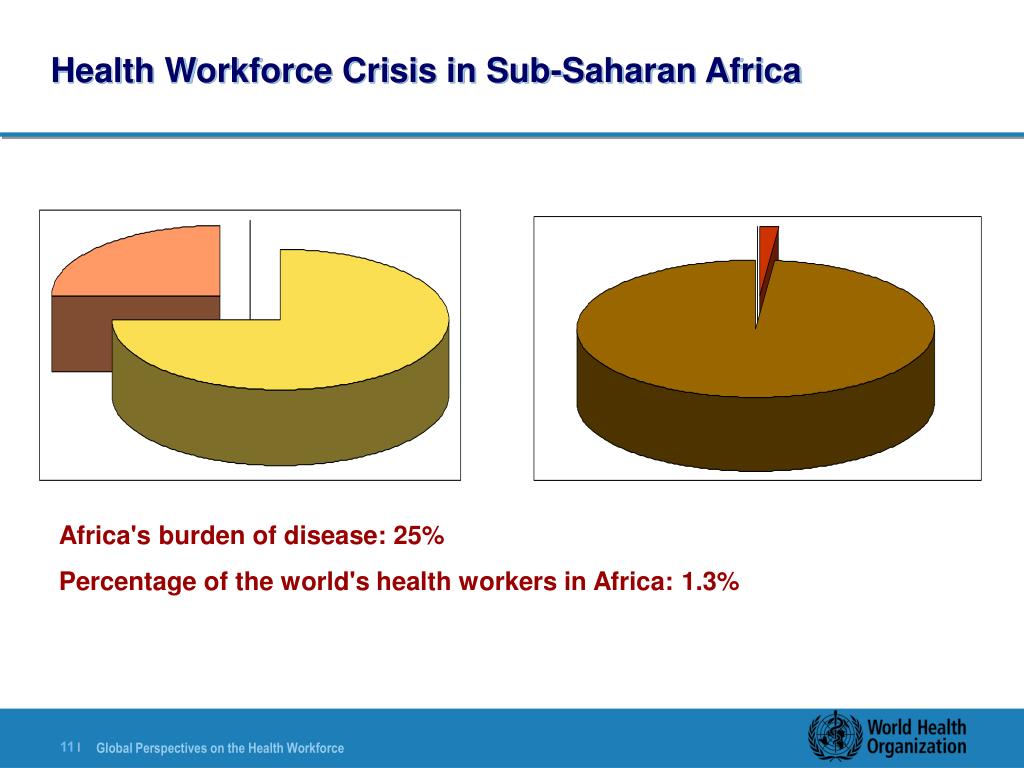
The crisis is not uniform across the globe. In sub-Saharan Africa, for example, there is an estimated one oncologist per 10 million people, compared to over 100 per 10 million in North America. This disparity highlights the urgent need for targeted interventions to address regional inequities.
In Southeast Asia, rapid urbanization and industrialization have led to a rise in cancer rates, yet many countries lack the human resources to manage the influx of cases. A recent study in India, for instance, found that over 60% of cancer patients face delays in treatment due to a lack of available specialists and facilities.
Even in developed nations, the strain is evident. In Europe, a 2024 report by the European Cancer Organisation noted that 40% of oncologists are over the age of 55, raising concerns about an impending retirement wave that could worsen the shortage. Similar trends are observed in the United States, where the American Society of Clinical Oncology has called for increased investment in training programs to meet future needs.
Implications for Patient Care and Public Health
The workforce shortage has direct implications for patient care. Delays in diagnosis and treatment can lead to more advanced stages of cancer at the time of detection, reducing survival rates and increasing the cost of care. The pressure on existing staff may compromise the quality of care, as overworked professionals struggle to manage larger patient loads.
Public health systems may also face significant financial strain. The World Health Organization (WHO) estimates that the cost of under-resourcing cancer care could reach trillions of dollars globally by 2030, as untreated or poorly managed cases lead to higher hospitalization rates and long-term care costs.
Call to Action: Strategies to Mitigate the Crisis
Experts and health organizations are urging governments, private sectors, and international bodies to prioritize solutions that address the root causes of the workforce shortage. Key strategies include:
- Investing in Education and Training: Expanding medical training programs, particularly in underserved regions, and offering incentives for graduates to specialize in oncology.
- Improving Workforce Retention: Implementing policies to reduce burnout, such as flexible scheduling, mental health support, and competitive compensation packages.
- Leveraging Technology: Expanding the use of telemedicine, artificial intelligence, and digital tools to support healthcare professionals and improve access to care in remote areas.
- International Collaboration: Facilitating knowledge exchange, resource sharing, and joint training initiatives between high- and low-income countries to build capacity globally.
Nonprofit organizations and advocacy groups are also playing a role in raising awareness and mobilizing resources. Initiatives such as the Global Cancer Observatory and the Lancet Oncology Commission have called for a coordinated global response to ensure that the cancer workforce crisis does not undermine progress in cancer prevention and treatment.
What’s Next? A Path Forward
The scale of the challenge is daunting, but experts emphasize that it is not insurmountable. With strategic planning, sustained investment, and a commitment to equity, the global community can work toward a future where access to cancer care is not determined by geography or economic status.

As the deadline for addressing this crisis approaches, the need for action has never been more urgent. The coming years will determine whether the world can adapt to the growing demands of cancer care or risk leaving millions without the treatment they need.
Frequently Asked Questions
- What is the current state of the cancer care workforce?
- The global cancer care workforce is facing a significant shortage, with projections indicating a shortfall of over 100 million professionals by the end of the decade. This gap is driven by factors such as geographic imbalances, training limitations, and workforce burnout.
- How will the shortage impact cancer patients?
- The shortage is expected to
