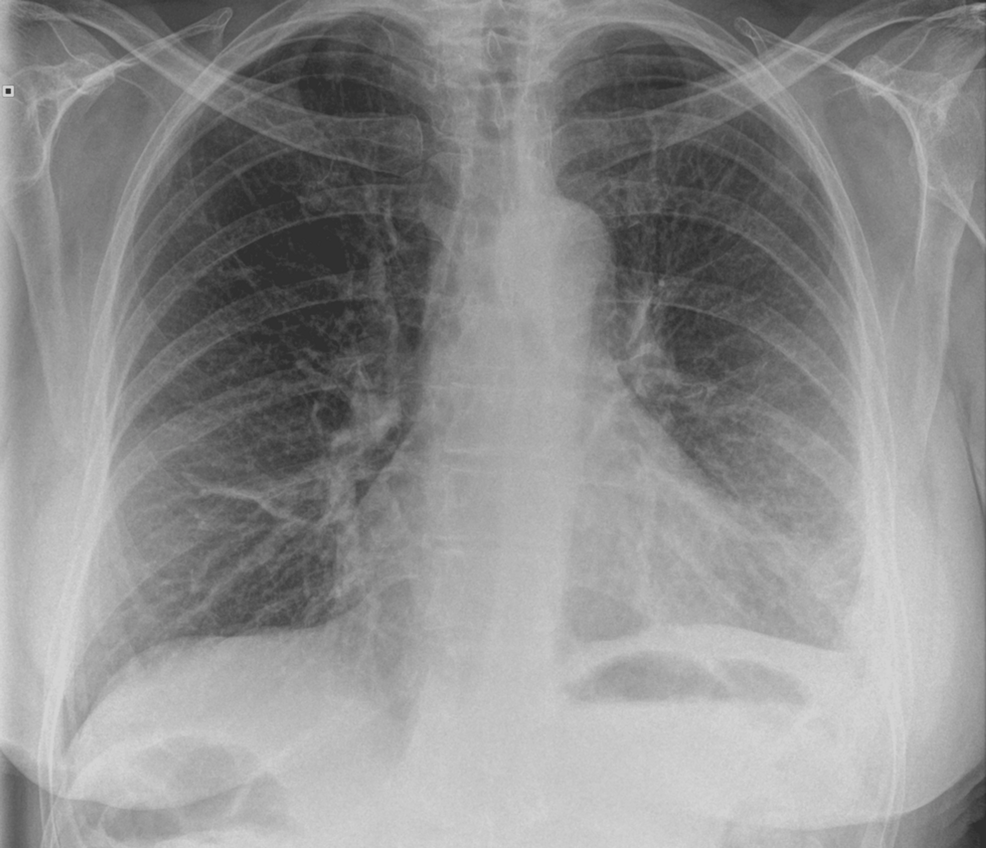
Pulmonary Vein Stenosis Following Ablation for Atrial Fibrillation: Understanding a Rare but Critical Complication
For thousands of patients struggling with the erratic heartbeat of atrial fibrillation (AFib), catheter ablation offers a beacon of hope—a way to reclaim a normal rhythm and eliminate the debilitating fatigue and palpitations associated with the condition. However, as with any sophisticated medical intervention, the path to recovery can sometimes be complicated by rare but serious adverse events. Among the most concerning of these is pulmonary vein stenosis (PVS), a condition where the veins carrying oxygenated blood from the lungs to the heart become abnormally narrowed.
While the success rates of AFib ablation are high, the emergence of PVS represents a significant clinical challenge. Medical literature and clinical case discussions, including those exploring Pulmonary Vein Stenosis Following Ablation for Atrial Fibrillation – Cureus, underscore the necessity for clinicians to remain vigilant during post-operative care. When the particularly procedure intended to heal the heart inadvertently restricts pulmonary blood flow, the resulting symptoms can mimic other respiratory or cardiac issues, leading to dangerous delays in diagnosis.
Understanding the mechanism of this complication, the subtle warning signs, and the modern strategies used to mitigate risk is essential for both healthcare providers and patients navigating the complexities of arrhythmia management.
The Mechanics of AFib Ablation: Why the Pulmonary Veins Are Targeted
To understand how stenosis occurs, one must first understand the objective of the ablation procedure. Atrial fibrillation is often triggered by abnormal electrical impulses originating within the pulmonary veins. These “rogue” signals leak into the left atrium, disrupting the heart’s natural electrical timing and causing the upper chambers to quiver rather than contract effectively.
The goal of catheter ablation is pulmonary vein isolation (PVI). By using extreme heat (radiofrequency ablation) or extreme cold (cryoballoon ablation), surgeons create a circle of scar tissue around the opening (ostium) of the pulmonary veins. This scar tissue acts as an electrical fence, blocking the abnormal impulses from reaching the atrium.
In an ideal scenario, the ablation lesions are precisely placed at the entrance of the vein. However, the biological response to this thermal injury is not always predictable. The process of healing involves inflammation and the formation of fibrous tissue. If the ablation energy penetrates too deeply into the vein wall, or if the inflammatory response is excessive, the resulting scar tissue can contract, gradually squeezing the vein shut. This narrowing is what clinicians define as pulmonary vein stenosis.
“The paradox of PVI is that the same fibrosis required to block electrical signals can, if misplaced or excessive, lead to the mechanical obstruction of blood flow.”
Identifying the Red Flags: Symptoms of Pulmonary Vein Stenosis
One of the most perilous aspects of PVS is its insidious onset. Stenosis does not typically happen overnight; it develops over weeks or months as the scar tissue matures and contracts. Because the symptoms are respiratory in nature, they are frequently misdiagnosed as pneumonia, asthma, or a recurrence of heart failure.
Common Clinical Presentations
- Progressive Dyspnea: Shortness of breath that worsens over time, often starting during physical exertion and eventually appearing at rest.
- Persistent Cough: A dry, non-productive cough that does not respond to standard respiratory treatments.
- Hemoptysis: In more severe cases, patients may cough up blood, indicating significant vascular stress or localized pulmonary hemorrhage.
- Reduced Exercise Tolerance: An unexplained drop in the ability to perform daily activities, which patients may mistakenly attribute to their original AFib symptoms.
The danger lies in the “diagnostic shadow” cast by the original condition. A patient who has recently undergone heart surgery is expected to have some shortness of breath during recovery. When a clinician sees a patient with a history of AFib, they may focus on the heart’s rhythm rather than the veins’ diameter, allowing PVS to progress to a critical stage before it is detected.
The Diagnostic Journey: How PVS is Confirmed
When PVS is suspected, standard chest X-rays are often insufficient, as they may appear normal even in the presence of significant narrowing. Advanced imaging is required to visualize the internal diameter of the pulmonary veins.
Gold Standard Imaging Techniques
Computed Tomography (CT) Angiography: This is generally the first line of defense. A contrast agent is injected into the bloodstream, allowing radiologists to create high-resolution 3D images of the pulmonary veins. A reduction in the vein diameter by 50% or more is typically categorized as significant stenosis.
Cardiac Magnetic Resonance Imaging (MRI): MRI provides excellent soft-tissue contrast and can help differentiate between simple narrowing and more complex inflammatory processes. It is particularly useful for patients who cannot tolerate the contrast dyes used in CT scans.
Invasive Pulmonary Angiography: In some cases, a catheter is threaded directly into the pulmonary veins during a diagnostic procedure. This allows the physician to measure the pressure gradients across the stenosis—comparing the pressure inside the vein to the pressure in the left atrium. A significant pressure drop confirms a hemodynamically relevant obstruction.
| Diagnostic Tool | Primary Use | Key Advantage | Limitation |
|---|---|---|---|
| CT Angiography | Initial Screening | Fast, highly detailed 3D mapping | Radiation exposure, contrast allergy risk |
| Cardiac MRI | Detailed Tissue Analysis | No radiation, superior soft-tissue contrast | Expensive, longer scan times |
| Pulmonary Angiography | Interventional Diagnosis | Direct pressure measurement | Invasive, requires catheterization |
Treatment Strategies: Reopening the Vessel
Once PVS is confirmed, the goal is to restore blood flow and prevent further permanent damage to the lung tissue. The approach depends on the severity of the narrowing and the number of veins affected.
Percutaneous Balloon Pulmonary Vein Angioplasty (BPVA)
The most common intervention is balloon angioplasty. A cardiologist inserts a catheter with a small, deflated balloon at the tip into the stenotic area. Once in place, the balloon is inflated, physically stretching the narrowed vein wall back to its original diameter. In many cases, this provides immediate relief of symptoms.
Stent Placement
For some patients, the vein may “recoil” or narrow again shortly after ballooning (restenosis). In these instances, a permanent metal mesh stent may be placed inside the vein to act as a scaffold, keeping the vessel open. While effective, stenting is generally reserved for refractory cases due to the risk of the stent migrating or causing further inflammation.

Surgical Intervention
In extreme cases where multiple veins are severely obstructed and percutaneous methods fail, surgical reconstruction may be necessary. This is a high-risk procedure and is rarely the first choice, but it remains a vital option for saving lung function in critical scenarios.
Preventing PVS: The Evolution of Ablation Techniques
The medical community has learned significantly from the cases detailed in reports like Pulmonary Vein Stenosis Following Ablation for Atrial Fibrillation – Cureus. The focus has shifted from simply “blocking the signal” to doing so with minimal collateral damage.
The Shift from “Wide Area” to “Ostial” Ablation
Earlier techniques often involved “Wide Area Circumferential Ablation” (WACA), where lesions were created further inside the pulmonary vein. While this was highly effective at preventing AFib recurrence, it significantly increased the risk of PVS. Modern guidelines emphasize ostial ablation—keeping the lesions strictly at the mouth of the vein, avoiding the interior walls where narrowing is most likely to occur.
Precision Energy Delivery
Advances in technology have allowed for better control over energy delivery:
- Contact Force Sensing: Modern catheters can measure exactly how much pressure is being applied to the heart wall. This prevents the physician from “pushing too hard,” which can cause deep, transmural burns that lead to stenosis.
- Cryoballoon Refinement: Cryoablation uses a balloon to freeze the tissue. Because the cooling is more uniform and the “danger zone” is more predictable than radiofrequency burns, some argue it offers a more controlled safety profile, though risks still exist.
For more information on the different types of AFib treatments, you may find a related explainer on catheter ablation vs. Surgical Maze procedures helpful.
The Broader Impact: Informed Consent and Patient Advocacy
The occurrence of PVS highlights a critical point in medical ethics: the balance of risk and reward. For the vast majority of patients, the benefits of AFib ablation—reduced stroke risk, improved quality of life, and the elimination of lifelong medication—far outweigh the rare risk of stenosis.
However, the “rare” nature of the complication does not diminish its impact on the affected individual. There is a growing call for more transparent informed consent processes. Patients should be made aware that while PVS is uncommon, they must report any new or worsening respiratory symptoms immediately following their procedure.
Common Misconceptions About PVS
Misconception: “If I feel fine immediately after the surgery, I don’t have to worry about PVS.”
Correction: PVS is a late-stage complication. It often takes months for the scar tissue to contract enough to cause symptoms. Long-term follow-up is essential.
Misconception: “PVS is always the fault of the surgeon.”
Correction: While technique plays a role, individual biological responses vary. Some patients have a “hyper-inflammatory” response to thermal injury, meaning they may develop stenosis even with a perfectly executed procedure.
Navigating the Recovery Phase
For those who have undergone AFib ablation, the recovery phase should include a structured monitoring plan. While most patients return to normal activity within a few weeks, a baseline of respiratory health should be established.
Patients are encouraged to maintain a “symptom diary,” noting any changes in breathlessness during exercise. If a patient notices that they are becoming winded more easily three months after a successful ablation, this should be flagged to their electrophysiologist immediately. Early detection of PVS often means that a simple balloon angioplasty can resolve the issue before permanent lung damage occurs.
The integration of multidisciplinary teams—where cardiologists, pulmonologists, and radiologists collaborate—has proven to be the most effective way to manage these complex cases. By breaking down the silos between heart and lung care, the medical community can ensure that the cure for AFib does not create a new, unforeseen burden for the patient.
Frequently Asked Questions
What is the difference between AFib and Pulmonary Vein Stenosis?
Atrial Fibrillation (AFib) is an electrical problem where the heart’s upper chambers beat irregularly. Pulmonary Vein Stenosis (PVS) is a structural problem where the veins leading from the lungs to the heart become narrowed. PVS is a potential, though rare, complication that can occur after the treatment (ablation) for AFib.

How common is Pulmonary Vein Stenosis after ablation?
PVS is considered a rare complication. While exact percentages vary across studies, it occurs in a small fraction of patients. The risk has decreased significantly over the last decade due to improvements in catheter technology and a shift toward ostial (entrance-only) ablation techniques.
Can Pulmonary Vein Stenosis be cured?
Yes, in many cases. The most common treatment is balloon angioplasty, which physically widens the vein. In some instances, a stent is placed to keep the vein open. If caught early, most patients return to their normal level of respiratory function.
Why is PVS often misdiagnosed as pneumonia?
Because PVS causes shortness of breath and a persistent cough, the symptoms overlap almost perfectly with respiratory infections. Since PVS is so rare, doctors may first look for more common causes, such as pneumonia or bronchitis, before considering a complication from a previous heart procedure.
What should I ask my doctor before an AFib ablation regarding this risk?
You may want to ask: “What technique (radiofrequency or cryoballoon) do you use to minimize the risk of vein narrowing?” and “What specific respiratory symptoms should I look for during my recovery, and when should I report them?”
For those seeking further guidance on managing heart health post-surgery, a related guide on cardiac rehabilitation can provide a roadmap for a safe return to physical activity.
The journey through AFib treatment is often one of liberation from a chronic condition. By maintaining a high index of suspicion for rare complications and utilizing modern imaging and interventional techniques, the medical community continues to refine the safety profile of ablation. The goal remains clear: restoring the heart’s rhythm without compromising the lungs’ ability to breathe.
