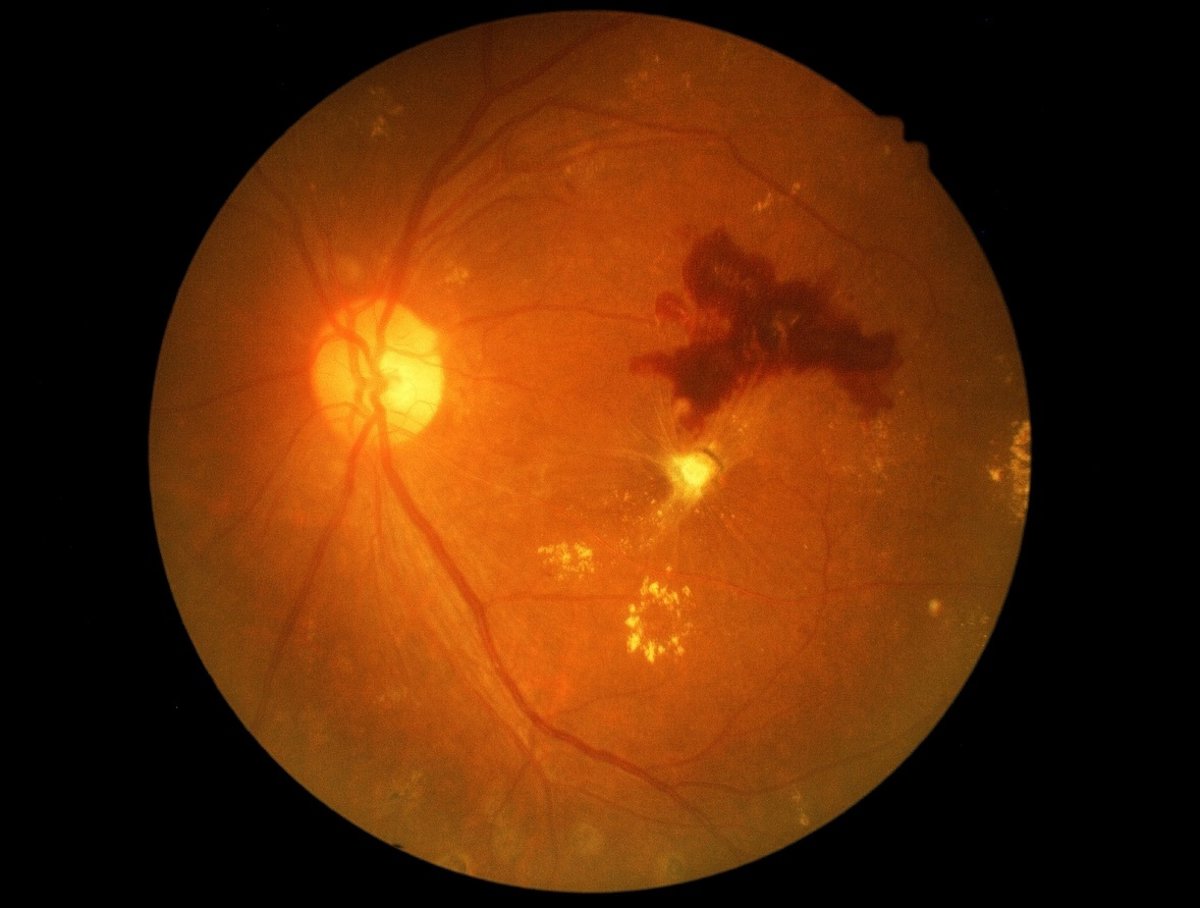
A new artificial intelligence tool may allow clinicians to predict the onset of diabetic retinopathy years before physical damage is detectable during a standard eye examination. By analyzing blood samples, the AI identifies specific biomarkers that signal a high risk of retinal deterioration, potentially offering a critical window for preventative intervention.
Key Findings
- Early Warning: The AI-driven blood test can identify risks of retinal damage years before traditional screening methods.
- Biomarker Analysis: The system detects specific patterns in blood proteins and metabolites associated with the progression of diabetes-related eye disease.
- Preventative Potential: Early detection allows for more aggressive management of blood glucose and blood pressure to preserve vision.
Predicting Vision Loss via Blood Work
Diabetic retinopathy is a leading cause of blindness worldwide, occurring when high blood sugar levels damage the blood vessels in the retina. Traditionally, the only way to detect this condition is through a dilated eye exam or specialized retinal imaging, which identifies damage that has already occurred.
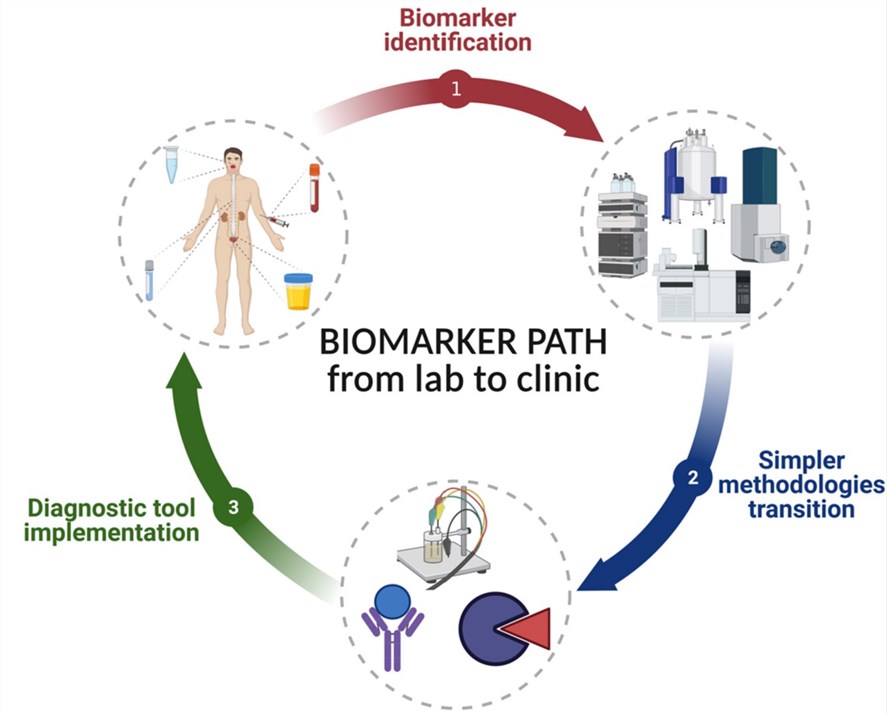
According to the research team, the new approach shifts the focus from diagnosis to prediction. By utilizing machine learning algorithms to scan blood analytes, the AI can recognize subtle biological signatures that precede the physical manifestation of the disease in the eye. This allows healthcare providers to identify “at-risk” patients long before they experience vision loss.
Moving Beyond Traditional Eye Exams
While retinal screenings are effective, they are often underutilized due to patient non-compliance, the inconvenience of dilation, or limited access to ophthalmologists. A blood-based screening tool could be integrated into the routine laboratory tests that diabetes patients already undergo, increasing the likelihood of early detection.
The ability to predict damage years in advance changes the clinical approach to the disease. Rather than treating existing lesions or hemorrhages in the retina, physicians can use the AI’s warning to optimize a patient’s systemic health—focusing on tighter glycemic control and cardiovascular management—to potentially delay or prevent the onset of retinopathy entirely.
Limitations and Clinical Application
Despite the promise of this technology, the researchers emphasize that this AI tool is intended to complement, not replace, existing ophthalmic care. A blood test can indicate a high probability of future damage, but a physical examination of the retina remains the only way to confirm the current stage of the disease and determine the necessary treatment.

The study notes that while the predictive accuracy is high, further validation across larger and more diverse patient populations is necessary to ensure the tool’s reliability across different ethnicities and stages of diabetes.
Next Steps for the Technology
The research team plans to continue refining the AI algorithms to increase sensitivity, and specificity. The goal is to move the tool toward clinical implementation, where it could serve as a primary screening layer in primary care settings, flagging high-risk patients for immediate and frequent referral to eye specialists.
