Glasgow Race Attacks a ‘Mark Against the Reputation of the City’ – BBC: Unrest and Arrests Explained
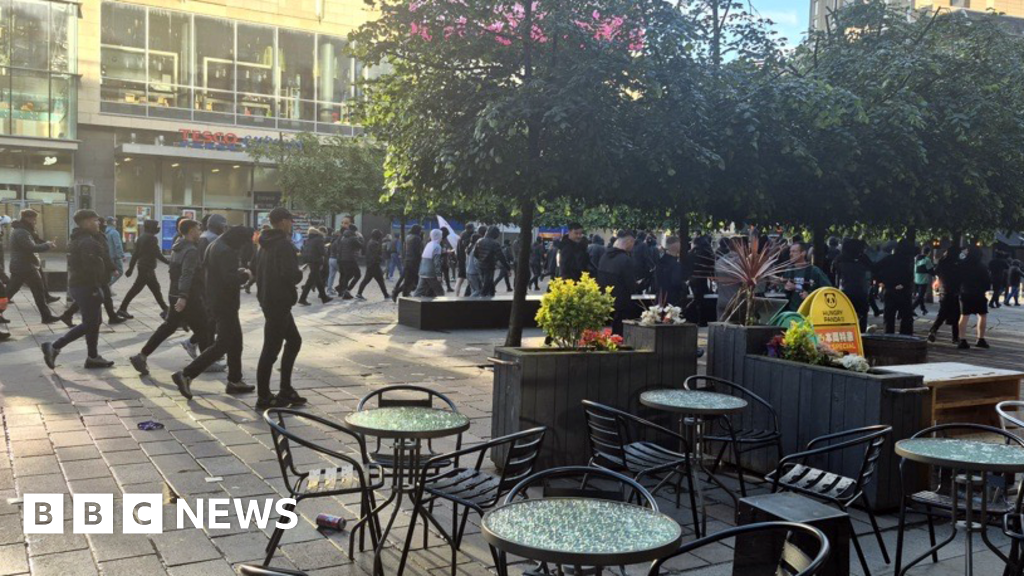
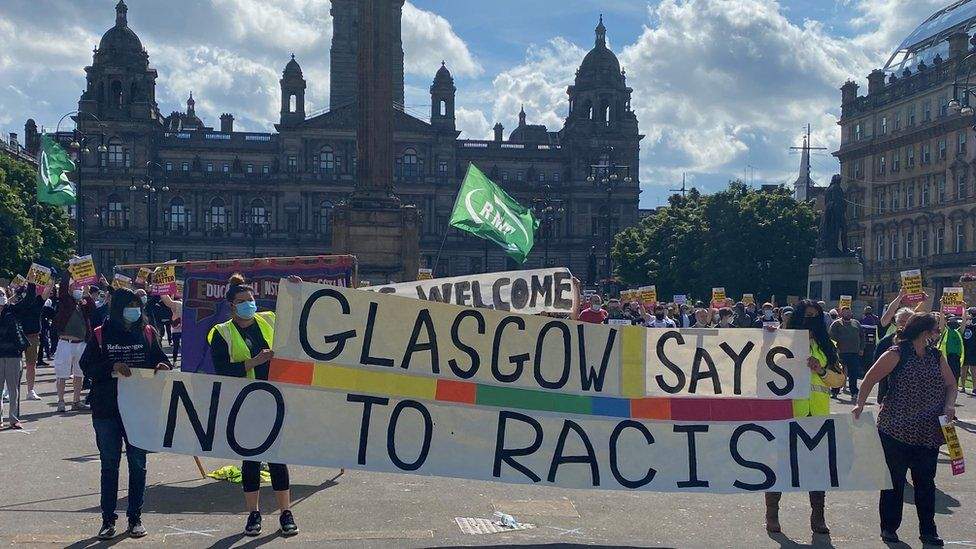
Three people have been arrested following racist assaults and public disorder in Glasgow, which occurred in the wake of a knife attack in Belfast. The BBC described these race attacks as a “mark against the reputation of the city,” reporting that a masked group disrupted an anti-racism rally, leading to clashes between opposing factions.
The Timeline of Disorder: From Belfast to Glasgow
The unrest in Glasgow did not occur in isolation. According to reports from the BBC, the disorder and subsequent racist assaults were triggered following a knife attack in Belfast. This event acted as a catalyst, sparking tensions that manifested in street protests and violent confrontations in Scotland.
In Glasgow, the tension peaked during an organized anti-racism rally. While the rally intended to promote inclusivity and oppose racial hatred, it became the site of a confrontation. A group of masked individuals arrived at the scene, intentionally disrupting the gathering. Sky News reported that these counter-protesters clashed directly with those attending the anti-racism rally, transforming a peaceful demonstration into a scene of public disorder.
The sequence of events can be summarized as follows:
- Catalyst: A knife attack occurs in Belfast, increasing regional tensions.
- Mobilization: An anti-racism rally is organized in Glasgow to stand against hate.
- Disruption: A masked group arrives to counter the rally, leading to physical clashes.
- Legal Action: Police intervene, resulting in three arrests for disorder and racist assaults.
Who Was Involved in the Glasgow Clashes?
The confrontations involved three primary groups: the anti-racism protesters, a masked group of counter-protesters, and law enforcement officers.
The anti-racism rally consisted of individuals gathering to denounce racial violence. However, their proceedings were interrupted by a group of individuals whose identities were concealed by masks. The use of masks suggests a deliberate attempt to avoid identification during the commission of the racist assaults and disorder, according to BBC reporting.
Police officers were deployed to manage the crowds and prevent further violence. Their intervention led to the apprehension of three individuals. These arrests were specifically linked to the disorder and the racist nature of the assaults that took place during the clash.
Beyond the street-level participants, political figures have weighed in on the identity and character of those inciting violence. The leader of the Scottish Greens described the protesters involved in the unrest in both Scotland and Belfast as “scumbags,” according to the Meath Chronicle. This phrasing underscores the severity of the political condemnation facing those who participated in the racist attacks.
Why These Attacks Are a ‘Mark Against the Reputation’ of Glasgow
The BBC’s characterization of the attacks as a “mark against the reputation of the city” points to a conflict between Glasgow’s public image and the reality of these violent incidents. Glasgow has long positioned itself as a welcoming, multicultural hub, often priding itself on a spirit of community and solidarity.
When racist assaults occur in public spaces, they challenge this narrative. The “mark” referred to by the BBC suggests a permanent or semi-permanent stain on the city’s perceived inclusivity. The fact that the attacks were targeted and occurred during a rally specifically designed to fight racism adds a layer of irony and severity to the incident.
The implications of this reputational damage include:
- Perception of Safety: Minority communities may feel less secure in public spaces if racist attacks are seen as a growing threat.
- International Standing: As a major city, Glasgow’s handling of racial tension is monitored globally, affecting its image as a safe destination for tourism and investment.
- Social Cohesion: Clashes between masked groups and peaceful protesters signal a breakdown in civil discourse and a rise in extremist tactics.
This incident mirrors a broader trend of volatility where isolated violent acts in one city (such as the Belfast knife attack) can trigger “copycat” or reactionary violence in another, demonstrating how interconnected racial and political tensions have become across the UK.
Political Responses: The Scottish Greens and Law Enforcement
The reaction from political leadership has been swift and condemnatory. The Scottish Greens leader did not mince words, labeling the perpetrators “scumbags.” This rhetoric indicates a zero-tolerance approach from certain political factions toward those who use racial hatred to incite disorder.
Law enforcement’s response focused on containment and prosecution. The arrest of three individuals signifies that the police are treating these not merely as “protest disruptions” but as criminal racist assaults. By distinguishing between “disorder” and “racist assaults,” authorities are signaling that hate-motivated crimes will be prioritized in the legal process.
| Stakeholder | Position/Action | Source of Information |
|---|---|---|
| Police Scotland | Arrested three individuals for disorder and racist assaults. | BBC |
| Scottish Greens Leader | Condemned protesters in Scotland and Belfast as “scumbags.” | Meath Chronicle |
| Anti-Racism Rally | Organized to oppose hate; targeted by masked counter-protesters. | Sky News / BBC |
| Counter-Protesters | Used masks to disrupt the rally and engage in clashes. | Sky News |
Comparing the Perspectives of Major News Outlets
Different media outlets have framed the Glasgow unrest through slightly different lenses, though the core facts remain consistent.
The BBC has focused heavily on the societal and reputational impact. By framing the event as a “mark against the reputation of the city,” the BBC elevates the story from a simple police report to a commentary on Glasgow’s social health. Their reporting emphasizes the legal outcome—the three arrests—and the specific nature of the racist assaults.
Sky News provided more tactical detail regarding the nature of the confrontation. Their coverage highlighted the “clash” aspect, focusing on the physical conflict between the anti-racism rally and the counter-protesters. This framing emphasizes the volatility of the scene and the direct confrontation between opposing ideologies.
The Meath Chronicle focused on the political fallout, specifically the strong language used by the Scottish Greens leader. By highlighting the term “scumbags,” this outlet emphasized the moral and political condemnation of the protesters, linking the events in Glasgow directly to those in Belfast.
While the BBC looks at the city’s image, Sky News looks at the street-level conflict, and the Meath Chronicle looks at the political reaction. Together, these perspectives provide a full picture of an event that was simultaneously a criminal matter, a political flashpoint, and a blow to civic pride.
“The disruption of a peaceful anti-racism rally by masked individuals suggests a coordinated effort to intimidate those advocating for equality, turning a message of peace into a site of conflict.”
The Broader Context of Cross-Border Unrest
The link between the Belfast knife attack and the Glasgow disorder is a critical element of this story. It illustrates a pattern where violent incidents in Northern Ireland can rapidly ignite tensions in Scotland and England. This cross-border contagion is often fueled by social media, where images of violence are shared quickly, prompting reactionary protests or “counter-protests” in different cities.
In this instance, the Belfast attack served as the spark. The subsequent Glasgow events show how that spark can be repurposed by different groups. For the anti-racism rally, the Belfast attack was a reason to stand against hate. For the masked counter-protesters, it was an opportunity to challenge that narrative through disorder.
This dynamic creates a challenging environment for police, who must manage not only the local grievances of a city like Glasgow but also the external pressures and narratives flowing from other regions. The use of masks by the counter-protesters further complicates this, as it indicates a level of premeditation and a desire to operate outside the law.
For more information on how regional tensions impact local security, see a related explainer on UK civil unrest patterns.
Frequently Asked Questions about the Glasgow Race Attacks
How many people were arrested in the Glasgow disorder?
According to the BBC, three people were arrested in connection with the disorder and racist assaults that took place in Glasgow.
What caused the unrest in Glasgow?
The unrest followed a knife attack in Belfast. This event led to an anti-racism rally in Glasgow, which was then disrupted by a masked group of counter-protesters, leading to clashes and assaults.
What did the BBC mean by a ‘mark against the reputation of the city’?
The BBC used this phrase to suggest that the racist attacks contradict Glasgow’s public image as an inclusive and welcoming city, potentially damaging its standing and the perceived safety of its minority residents.
Who disrupted the anti-racism rally?
Sky News and the BBC reported that a masked group of counter-protesters disrupted the rally, leading to physical clashes with the attendees.
How did political leaders react to the attacks?
The leader of the Scottish Greens condemned the protesters in both Glasgow and Belfast, referring to them as “scumbags” in reports cited by the Meath Chronicle.
The ongoing investigations into the three arrests will likely determine if these attacks were the work of isolated individuals or part of a more organized effort to spread racial hatred. As Glasgow works to scrub this “mark” from its reputation, the focus remains on the legal consequences for those who used the cover of masks to commit racist assaults.
