68 Quadrillion Underground Miles of Fungi: The Scale and Impact of Earth’s Hidden Network
Earth’s soil contains an estimated 68 quadrillion miles of fungal mycelia, a subterranean network so vast that, if stretched end-to-end, it could reach the nearest star system, Proxima Centauri, and return. According to reports from Scientific American and Futurism, this hidden infrastructure facilitates essential nutrient exchange and communication between plants, forming a biological foundation for most terrestrial ecosystems.
How Big Is the 68 Quadrillion Underground Miles of Fungi Network?
The scale of the global fungal network is difficult to visualize using standard terrestrial measurements. To provide a sense of proportion, Futurism notes that the combined length of these fungal threads—known as mycelia—could span the distance to Proxima Centauri and back. Proxima Centauri is approximately 4.24 light-years from Earth. This comparison underscores that the biological complexity beneath a single square foot of soil is far denser than the visible landscape above it.
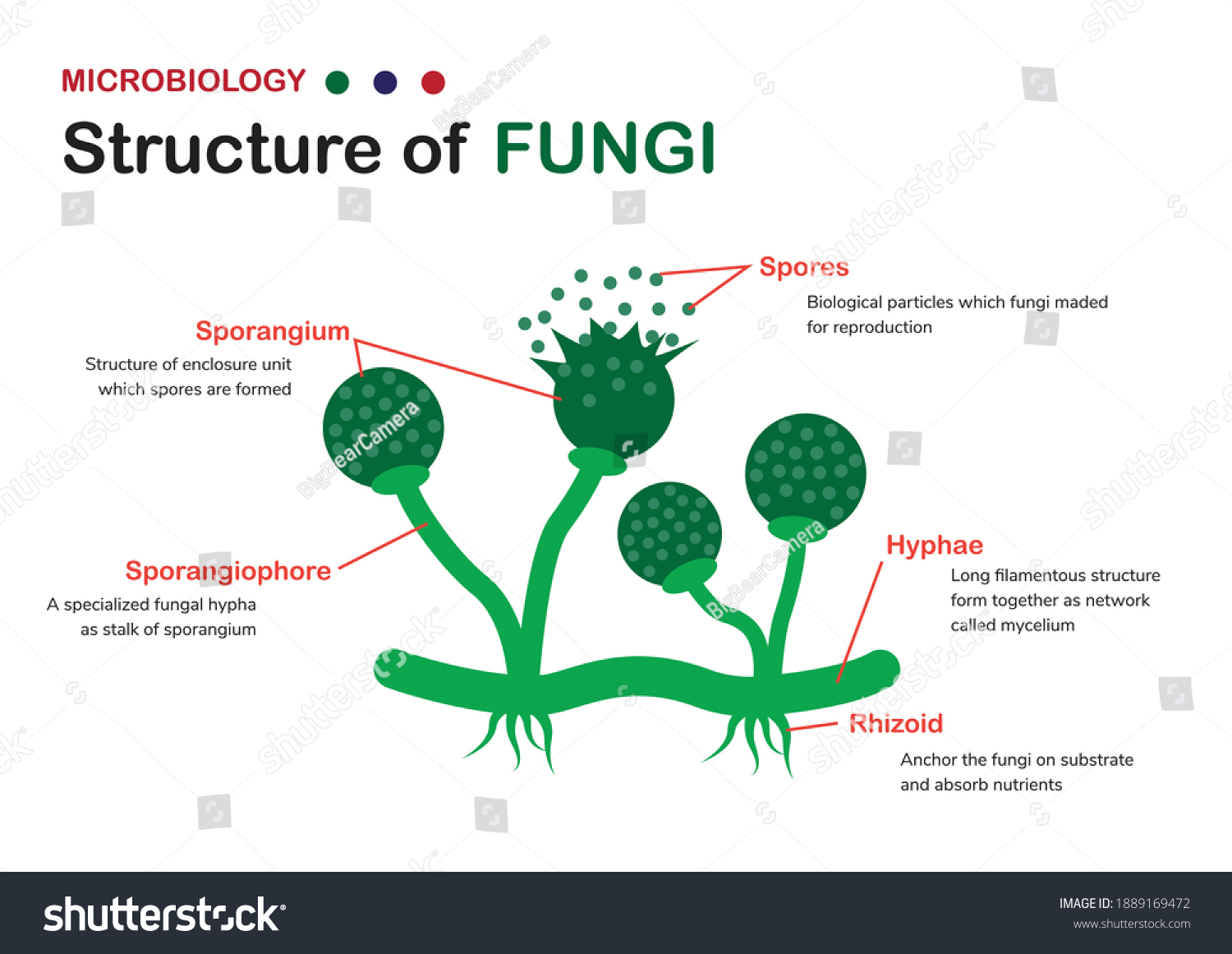
These filaments are not single organisms but billions of intersecting webs of mycorrhizal fungi. These fungi form symbiotic relationships with plant roots, effectively extending the reach of the plant’s own root system. While a plant root might be relatively thick and slow-growing, mycelia are microscopic and can penetrate tiny soil pores to extract minerals that plants cannot reach on their own.
The sheer volume of this network is a primary focus of the research highlighted in The Seattle Times and other scientific outlets. The 68 quadrillion mile figure represents the cumulative length of these hyphae (the individual threads of the mycelium) across the planet’s arable land and forests. This network is not static; it grows, retreats, and reshapes itself daily based on the nutrient needs of the surrounding flora.
What Is the “Wood Wide Web” and How Does It Work?
The term “Wood Wide Web” describes the mycorrhizal network’s role as a biological communication system. According to Yahoo, plants use these underground fungal connections to “talk” to one another, exchanging chemical signals and vital nutrients. This is not a conscious conversation but a sophisticated biochemical exchange that ensures the survival of the broader ecosystem.
The process functions through a reciprocal trade agreement:
- Plants provide carbon: Through photosynthesis, plants create sugar (carbon), which they pump down into their roots to feed the fungi.
- Fungi provide minerals: In exchange, the fungi scavenge the soil for phosphorus, nitrogen, and water, delivering these essential elements back to the plant.
Beyond simple nutrient trading, these networks allow for complex signaling. When a plant is attacked by pests, it can release chemical warnings through the mycelial network. Neighboring plants receiving these signals may preemptively trigger their own defense mechanisms, such as producing bitter toxins to deter insects, before the pests even reach them.
The fungal network acts as a biological internet, transporting not just resources but information that allows a forest to behave as a single, coordinated organism rather than a collection of individual trees.
Key Functions of the Mycorrhizal Network
| Function | Mechanism | Ecological Benefit |
|---|---|---|
| Nutrient Transport | Movement of phosphorus and nitrogen | Increased plant growth and resilience |
| Inter-plant Signaling | Biochemical warnings via hyphae | Faster community response to pests |
| Resource Redistribution | Carbon transfer from old to young trees | Higher survival rates for saplings in shade |
| Carbon Sequestration | Storing carbon in fungal biomass | Mitigation of atmospheric CO2 levels |
Why the Global Fungal Network Is Critical for Climate Stability
The implications of the 68 quadrillion underground miles of fungi extend beyond plant health; they are central to the planet’s carbon cycle. Fungi are among the most efficient organisms at sequestering carbon. When plants pump carbon into the soil to feed their fungal partners, a significant portion of that carbon remains trapped underground in the form of glomalin, a sticky protein produced by certain fungi.
According to data referenced in Scientific American, this sequestration process prevents carbon from returning to the atmosphere as carbon dioxide. If these networks are disrupted, the soil can transition from a carbon sink (which absorbs CO2) to a carbon source (which releases it), accelerating the greenhouse effect.
The resilience of the network also dictates the resilience of the forest. In a diverse mycorrhizal system, “mother trees”—the oldest and largest trees in the forest—use the network to send excess sugar to younger seedlings struggling in the shade of the canopy. This redistribution of resources ensures the next generation of the forest survives, maintaining the canopy cover necessary for temperature regulation and moisture retention.
For more information on how soil health impacts the planet, see a related explainer on carbon sequestration techniques.
Threats to the Underground Network and the Mission to Protect It
Despite its scale, the fungal network is fragile. Smithsonian Magazine reports that fungi experts are now on a mission to protect these global natural networks from human-driven degradation. Because the network is invisible, it is often overlooked in land management and urban planning.
Several primary factors are currently threatening the integrity of the mycelial web:
Industrial Agriculture and Tilling
Conventional farming often relies on deep tilling of the soil. This mechanical process physically shears the mycelial threads, breaking the connections between plants and their fungal partners. When the network is shredded, plants become more dependent on synthetic fertilizers, which further suppresses the fungi’s natural drive to provide nutrients.
Chemical Fertilizers and Fungicides
The over-application of nitrogen and phosphorus fertilizers can signal to a plant that it no longer “needs” the fungi. In response, the plant may stop providing carbon to the mycelium, effectively starving the network. Additionally, the use of broad-spectrum fungicides to treat crop diseases often kills the beneficial mycorrhizal fungi along with the pathogens.
Deforestation and Habitat Fragmentation
When large swaths of forest are cleared, the “mother trees” that anchor the network are removed. This doesn’t just kill the trees; it collapses the underground infrastructure that supports the remaining vegetation. Fragmented forests often have “broken” networks, leaving remaining trees more vulnerable to disease and drought.
Conservationists argue that protecting the soil is as important as protecting the trees themselves. This shift in perspective suggests that reforestation efforts should focus not just on planting seeds, but on inoculating the soil with the correct fungal species to ensure the new forest can communicate and share resources.
Comparing Perspectives: Scientific American vs. Smithsonian Magazine
While multiple outlets cover the fungal network, their framing differs based on the intended audience. Scientific American and Futurism lean heavily into the astronomical scale, using the Proxima Centauri comparison to evoke a sense of wonder and highlight the sheer volume of biological material. Their focus is on the magnitude of the system.
In contrast, Smithsonian Magazine frames the story through the lens of conservation and urgency. Rather than focusing on the distance the fungi could stretch, the Smithsonian emphasizes the mission to protect these networks from extinction. While the former outlets treat the 68 quadrillion miles as a fascinating fact, the latter treats the network as a critical, endangered piece of global infrastructure.
Yahoo occupies a middle ground, focusing on the “behavioral” aspect of the network—the “talking” plants—which simplifies the complex biochemistry into a narrative of social interaction among flora. Together, these perspectives provide a complete picture: the network is massive (Scientific American), communicative (Yahoo), and under threat (Smithsonian).
Common Misconceptions About Fungal Networks
The popularity of the “Wood Wide Web” concept has led to several oversimplifications that scientists seek to correct.
Misconception 1: Plants “think” or “plan” their communication.
The exchange of signals is a biochemical reaction, not a conscious choice. When a plant releases a chemical into the mycelium, it is a systemic response to stress, similar to how a human body releases adrenaline. There is no “intent” in the way we understand it; it is a highly evolved survival mechanism.
Misconception 2: All fungi are beneficial.
While mycorrhizal fungi are symbiotic, not all underground fungi are helpful. Some are parasitic, stealing nutrients from plants without giving anything in return. The health of a forest depends on the balance between these different fungal roles.
Misconception 3: The network is a single, giant organism.
While some individual fungal colonies (like the *Armillaria ostoyae* in Oregon) are among the largest organisms on Earth, the 68 quadrillion mile network is a composite of countless different species and individual colonies working in tandem. It is a community, not a single entity.
The Future of Mycology and Soil Science
As research continues, the focus is shifting toward “bio-augmentation”—the practice of adding specific fungal strains to degraded land to jumpstart ecosystem recovery. Scientists are investigating whether we can “engineer” these networks to make crops more resistant to drought or to help forests recover more quickly from wildfires.
The discovery of the network’s true scale has also prompted a re-evaluation of how we measure biodiversity. Traditionally, biodiversity was measured by the number of visible species in an area. Now, researchers are incorporating “fungal diversity,” recognizing that a forest with ten tree species but a bankrupt fungal network is far less stable than a forest with five tree species and a thriving mycelial web.
Understanding the 68 quadrillion underground miles of fungi changes the definition of an ecosystem. It suggests that the “unit” of life in a forest is not the individual tree, but the symbiotic pairing of plant and fungus. This holistic view is becoming the standard for modern ecology and climate science.
For a deeper dive into how soil biology interacts with plant health, you may find this related explainer on regenerative agriculture useful.
Frequently Asked Questions
How was the 68 quadrillion mile figure calculated?
This estimate is derived from calculating the average density of fungal hyphae per cubic centimeter of soil and extrapolating that across the total volume of the Earth’s topsoil. Because mycelia are microscopic and pervasive, the cumulative length grows exponentially across global landmasses.
Can fungi actually “talk” to plants?
They do not use language, but they use biochemical signaling. Fungi transport carbon, phosphorus, and chemical warning signals between plant roots. This allows plants to respond to environmental threats or nutrient deficiencies based on the status of their neighbors.
Does every plant have a fungal network?
The vast majority of land plants (roughly 90%) form mycorrhizal associations. This includes most trees, grasses, and crops. A few plants, such as members of the Brassicaceae family (like broccoli and cabbage), do not typically form these symbiotic relationships.
How does the fungal network help with climate change?
Fungi sequester carbon from the atmosphere by storing it in their biomass and producing glomalin, a soil protein that locks carbon underground for long periods. This prevents the carbon from entering the atmosphere as CO2, helping to regulate global temperatures.
What is the easiest way to protect fungal networks in a home garden?
Avoiding deep tilling and reducing the use of synthetic chemical fertilizers are the most effective ways to protect soil fungi. Using organic compost and mulch encourages natural mycelial growth and maintains the moisture levels fungi need to thrive.
