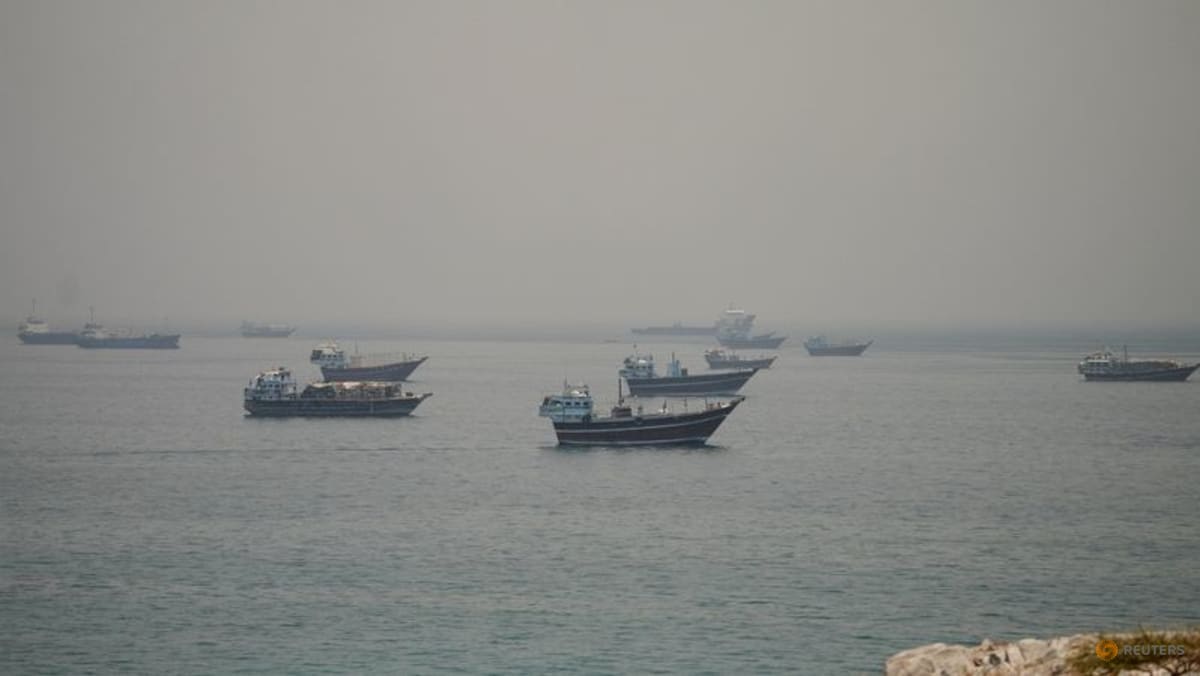
‘Let the oil flow!’ says Trump after announcing deal with Iran – CNA
President Donald Trump announced a peace deal with Iran to open the Strait of Hormuz, stating, “Let the oil flow!” according to CNA. The announcement triggered a nearly 5% drop in U.S. crude oil prices, as reported by CNBC. Pakistan sources indicate the formal signing of the agreement is scheduled for Friday.
Why did U.S. crude oil prices drop after the US-Iran announcement?
U.S. crude oil prices fell nearly 5% immediately following the announcement that the United States and Iran had completed a deal to open the Strait of Hormuz, according to CNBC. This price drop reflects the market’s reaction to the removal of a significant geopolitical risk premium. When the Strait of Hormuz—the world’s most important oil transit chokepoint—is threatened, traders price in the risk of supply disruptions, driving costs higher.
The sudden shift toward a “peace deal,” as confirmed by Al Jazeera, signaled to energy markets that the risk of a blockade or military conflict in the region had diminished. Market analysts typically view the stabilization of the Strait of Hormuz as a catalyst for increased supply predictability, which puts downward pressure on spot prices for crude oil.
“Let the oil flow!” — President Donald Trump, regarding the completed agreement with Iran.
What are the core details of the US-Iran peace deal?
The agreement focuses on the restoration of stability in the Persian Gulf. According to reports from CNBC, the primary objective of the deal is to open the Strait of Hormuz, ensuring the uninterrupted transit of oil tankers. While the full text of the agreement has not been publicly released, the overarching goal is described as a “peace deal” by Al Jazeera.
Key verified details regarding the timeline and execution include:
- Confirmation: Both the U.S. and Iran have confirmed that a peace deal is now in place, according to Al Jazeera.
- Signing Date: The formal signing of the document is set for Friday, according to reports from Pakistan cited by CNA.
- Immediate Goal: The reopening and securing of the Strait of Hormuz to facilitate global energy shipments.
CNN has provided live updates confirming that President Trump considers the agreement reached, marking a significant shift in the diplomatic relationship between the two nations.
The Strategic Importance of the Strait of Hormuz
To understand why the phrase “‘Let the oil flow!’ says Trump after announcing deal with Iran – CNA” carries such weight, one must look at the geography of the Strait of Hormuz. This narrow waterway connects the Persian Gulf with the Gulf of Oman and the Arabian Sea. It is the only sea passage from the Persian Gulf to the open ocean.

A significant portion of the world’s total oil consumption passes through this strait daily. Any disruption, whether through military conflict, sanctions-related seizures, or a physical blockade, creates an immediate global energy crisis. By securing a deal to “open” the strait, the U.S. and Iran are addressing a vulnerability that affects not only their own economies but those of every nation dependent on Middle Eastern crude.
The economic implications of a closed or contested strait include:
- Price Spikes: Rapid increases in the cost of gasoline and heating oil globally.
- Shipping Insurance: Massive hikes in maritime insurance premiums for tankers entering the Gulf.
- Supply Chain Delays: Rerouting of tankers, which increases transit time and costs.
Timeline of the Agreement
The progression from tension to a confirmed agreement happened rapidly. The following table summarizes the key milestones of the announcement:
| Event | Detail | Source |
|---|---|---|
| Deal Announcement | Trump announces completed deal with Iran | CNA |
| Market Reaction | U.S. crude oil falls nearly 5% | CNBC |
| Peace Confirmation | US and Iran confirm ‘peace deal’ in place | Al Jazeera |
| Signing Schedule | Formal signing set for Friday | CNA (via Pakistan) |
How different outlets are framing the US-Iran agreement
Analysis of the reporting shows a slight variation in how the deal is characterized across major news organizations. While the core facts remain consistent, the framing differs based on the outlet’s focus:
Economic Framing: CNBC focuses heavily on the market volatility, linking the announcement directly to the 5% drop in crude oil prices. This framing emphasizes the deal as an economic stabilizer rather than just a diplomatic victory.
Diplomatic Framing: Al Jazeera uses the term “peace deal,” suggesting a broader resolution to the “Iran war” context. This framing positions the agreement as a cessation of hostilities and a move toward long-term regional stability.
Operational Framing: CNA and CNN highlight the immediate action—the opening of the Strait of Hormuz and the specific timeline for the signing on Friday. This approach focuses on the “how” and “when” of the agreement’s implementation.
This contrast shows that while the U.S. administration is emphasizing the flow of oil, international observers are viewing the event through the lenses of global peace and market stability.
The Role of Third-Party Mediators
The mention of Pakistan as a source for the signing date suggests that third-party nations may have played a role in facilitating the communications between Washington and Tehran. In complex geopolitical negotiations, neutral intermediaries often provide the necessary channels for “track two” diplomacy before a formal announcement is made by heads of state.
For further context on how regional diplomacy operates, a related explainer on Middle East mediation may provide insight into the roles of neighboring states in US-Iran relations.
Potential Long-Term Implications of the Deal
The immediate effect of the deal is a reduction in oil prices, but the long-term consequences depend on the sustainability of the agreement. If the Strait of Hormuz remains open and secure, it could lead to a period of lowered energy volatility.
However, several variables remain:
- Verification: The international community will look for evidence that the Strait is truly open and that threats of closure have been permanently removed.
- Sanctions: It remains unclear if this “peace deal” includes the lifting of economic sanctions or if it is strictly a security agreement regarding maritime transit.
- Regional Balance: Other regional powers will likely react to the sudden rapprochement between the U.S. and Iran, potentially shifting their own strategic alignments.
If the signing on Friday proceeds without complication, it could mark a turning point in U.S. foreign policy in the Persian Gulf, moving from a strategy of “maximum pressure” to one of negotiated stability.
Frequently Asked Questions
What does “Let the oil flow!” mean in this context?
This statement by President Trump refers to the removal of threats or obstacles in the Strait of Hormuz. By reaching a deal with Iran, the U.S. aims to ensure that oil tankers can pass through the strait without interference, thereby stabilizing the global oil supply.
How much did oil prices drop after the announcement?
According to CNBC, U.S. crude oil prices fell by nearly 5% immediately following the news that the U.S. and Iran had reached an agreement to open the Strait of Hormuz.
When will the US-Iran deal be officially signed?
Based on reports from Pakistan cited by CNA, the formal signing of the peace deal is scheduled to take place this Friday.
Which news outlets confirmed the peace deal?
The agreement has been reported and confirmed by several major outlets, including CNA, CNBC, CNN, and Al Jazeera.
Why is the Strait of Hormuz so important?
The Strait of Hormuz is the world’s most critical oil chokepoint. Because a vast amount of the world’s crude oil passes through this narrow waterway, any closure or conflict there can cause global oil prices to spike and disrupt energy security for many nations.
Market participants and diplomatic observers are now focusing on Friday’s signing to determine the specific terms of the agreement and whether this stability will persist in the coming months. For more on the intersection of energy and politics, see our analysis of global oil chokepoints.
