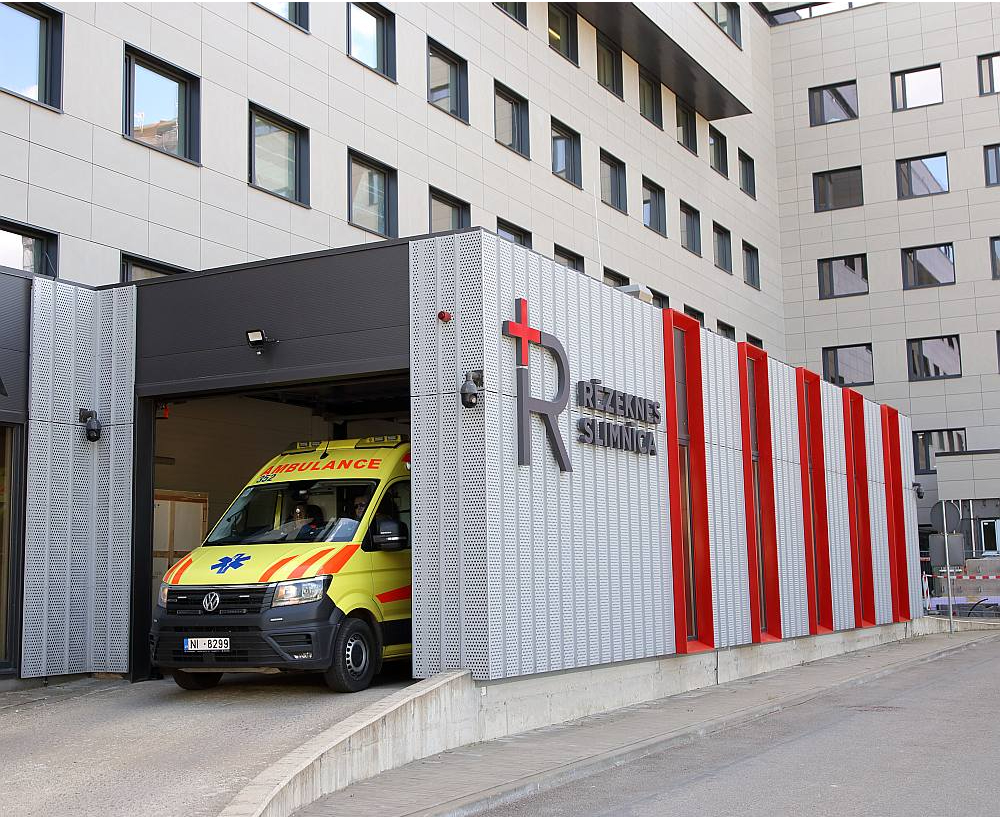
Latvian healthcare facilities in border regions are updating emergency protocols to manage mass casualty influxes during a potential military conflict, according to local media reports on “Hour X” readiness. These border hospitals serve as the primary triage points, stabilizing patients before they are transported to larger medical centers in the interior.
- Focus: Medical readiness in Latvia’s border regions.
- Scenario: “Hour X,” referring to the onset of a national emergency or conflict.
- Primary Objective: Rapid triage and stabilization of casualties for transport to central hubs.
The Strategic Role of Border Healthcare
Medical facilities located near the border face different operational pressures than central hospitals in Riga. While urban centers possess more specialized equipment and higher bed capacities, border clinics are the first point of contact for casualties in a conflict scenario. Local media reports indicate that these hospitals are prioritizing the development of triage capabilities to prevent the medical system from collapsing under a sudden, high-volume surge of wounded patients.

Integrating Military and Civilian Medicine
Readiness plans for “Hour X” require tighter coordination between civilian healthcare providers and military medical units. According to reports, this integration focuses on training civilian staff to handle combat-related trauma, which differs significantly from standard emergency room cases. The goal is to create a seamless transition where military first responders can hand over stabilized patients to civilian facilities that are prepared for the specific requirements of war-time injuries.
Logistical Challenges in the Periphery
Logistics and patient transport remain critical vulnerabilities in peripheral regions. Reports highlight the necessity of establishing secure transport corridors to move patients from border facilities to the interior without delaying life-saving care. The ability to maintain these supply lines and evacuation routes is central to the regional strategy, as border hospitals lack the long-term surgical and intensive care resources found in the capital.
