
Property Tycoon Alan Bond’s Former Island Getaway to Anchor Mining Logistics Hub
Crestlink is acquiring the Koolan Island iron ore mine from MGX Resources to transform the site into a strategic mining logistics hub, according to reports from the Australian Broadcasting Corporation, The West Australian, and BusinessNews. The island, previously known as a private retreat for property tycoon Alan Bond, will shift from its legacy as a residential getaway and active mine into a critical transport and logistics anchor for the region’s resource sector.
Why is the Koolan Island mine being sold by MGX Resources?
MGX Resources is offloading the Koolan Island asset as part of a strategic divestment. According to reports from The West Australian, the company is moving away from the site, clearing the path for a new owner with a different operational focus. While MGX held the mine for iron ore production, the transition to Crestlink signals a pivot from extraction to infrastructure.
The sale represents a broader trend in the Western Australian mining landscape where specialized infrastructure firms acquire legacy mining sites to leverage existing port facilities and land holdings. By exiting the asset, MGX Resources streamlines its portfolio, while Crestlink gains a foothold in a location with established maritime access.
Key aspects of the transaction include:
- Asset Transfer: The full transfer of the Koolan Island mine from MGX Resources to Crestlink.
- Strategic Pivot: A transition from active iron ore mining to a logistics-centric business model.
- Infrastructure Leverage: The utilization of existing island facilities to support wider mining operations.
How will Crestlink use the former Alan Bond getaway as a logistics hub?
Crestlink intends to repurpose the island’s existing infrastructure to serve as a logistics anchor. According to BusinessNews, the company is positioned as a port proponent, suggesting that the focus will be on the movement, storage, and shipment of materials rather than the primary extraction of ore from the ground.

A mining logistics hub typically functions as a transshipment point. In the context of the Western Australian coast, this involves receiving minerals from smaller vessels or inland transport and consolidating them for shipment via larger capesize vessels. By utilizing Koolan Island, Crestlink can potentially reduce the “last mile” costs for other mining operators in the region who lack their own deep-water port access.
The transition of Koolan Island from a private tycoon’s retreat to a commercial logistics hub highlights the industrial evolution of Western Australia’s coastline, where luxury and resource extraction often intersect.
To achieve this, Crestlink will likely focus on three primary operational pillars:
- Port Optimization: Upgrading the existing loading and unloading facilities to handle higher volumes of diverse minerals.
- Storage Capacity: Utilizing the island’s geography to create stockpiling areas that buffer the supply chain between mine production and ship arrival.
- Multi-User Access: Opening the hub to third-party mining companies, thereby diversifying the revenue stream beyond a single commodity.
What is the history of Koolan Island and Alan Bond’s connection?
Koolan Island is well-known in Australian business circles not only for its mineral deposits but for its association with Alan Bond, the property tycoon whose rise and fall marked a significant era in Australian corporate history. The island served as a high-profile getaway for Bond, blending the exclusivity of a private island with the industrial utility of a mining lease.
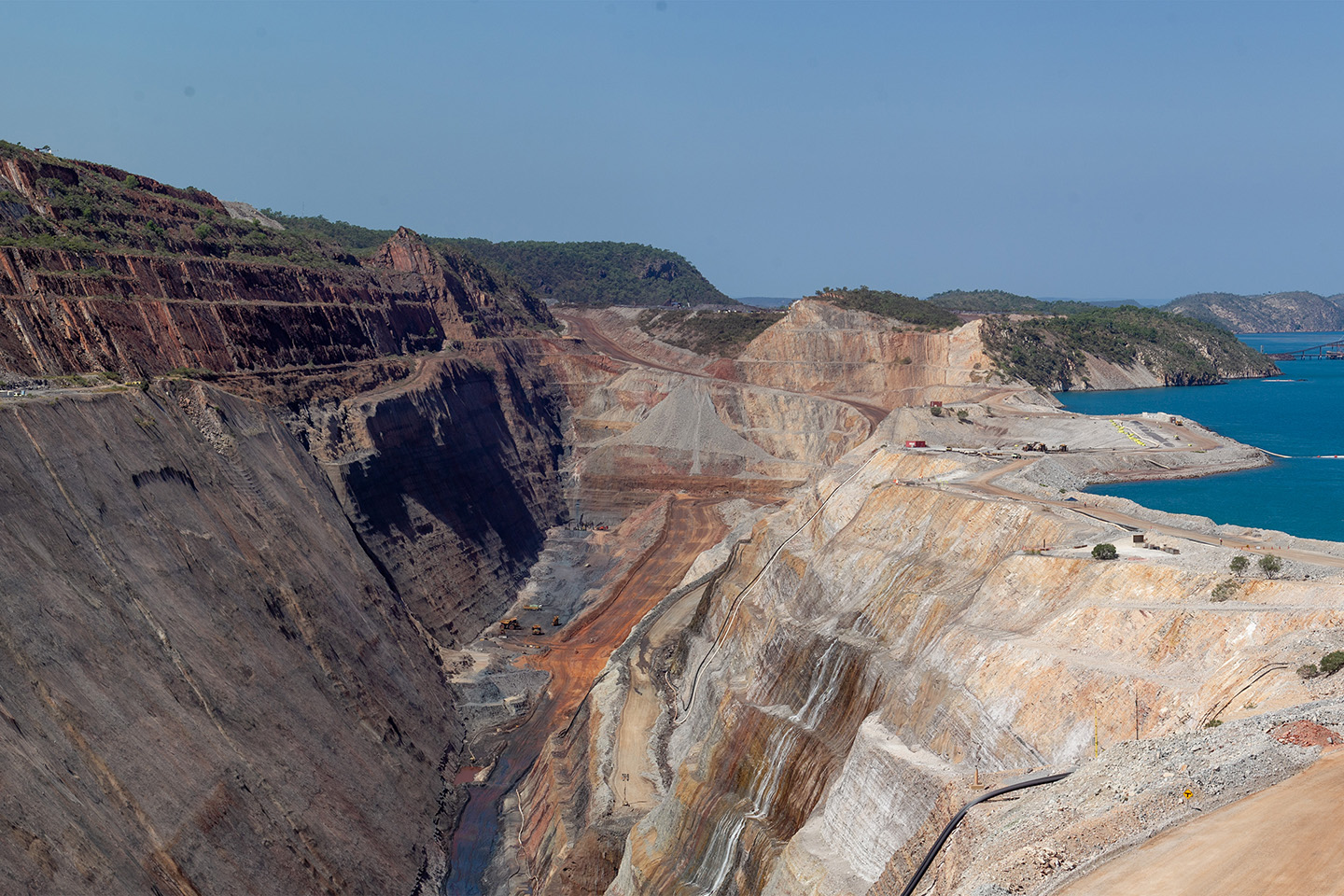
The duality of the island—serving as both a luxury escape and a site of heavy industry—is a rarity. Bond’s tenure on the island mirrored his broader business approach: aggressive acquisition and the blending of personal prestige with commercial enterprise. Following the collapse of Bond’s empire, the island’s focus shifted more heavily toward the iron ore deposits that define its geological value.
The following table outlines the shift in the island’s primary utility over time:
| Era | Primary Function | Key Association |
|---|---|---|
| Bond Era | Private Retreat / Early Mining | Alan Bond |
| MGX Era | Active Iron Ore Extraction | MGX Resources |
| Crestlink Era | Mining Logistics Hub | Crestlink |
What are the broader implications for Western Australian mining logistics?
The conversion of a dedicated mine into a logistics hub reflects a maturing industry. In the early stages of a mining boom, the focus is on discovery and extraction. As the industry matures, the bottleneck shifts from “how much can we dig” to “how efficiently can we move it.”
According to the operational goals reported by BusinessNews, the move by Crestlink addresses a critical need for flexible port infrastructure. Many junior miners in Western Australia struggle with the high capital expenditure required to build their own ports. A centralized hub on Koolan Island could democratize access to global markets for smaller players.
Reducing Supply Chain Friction
Logistics hubs reduce friction by providing a centralized point for quality control, blending, and shipping. If Crestlink successfully establishes the hub, it could lead to a decrease in overall transport costs for iron ore and other minerals in the region. This is particularly important as the industry seeks to maintain competitiveness against other global producers.
Environmental and Regulatory Hurdles
Transforming a mine into a hub is not without challenges. The transition will require updated environmental approvals and maritime permits. Because the site was previously a mine, the “brownfield” nature of the development may simplify some aspects of approval, but the shift toward increased vessel traffic will likely trigger new regulatory scrutiny regarding coastal impact and marine biodiversity.
For those interested in the regulatory environment of the region, a related explainer on Western Australian mining permits may provide further context on the hurdles Crestlink faces.
Comparing the strategic goals of MGX Resources and Crestlink
The transition of ownership from MGX to Crestlink is not merely a change in title but a fundamental shift in business philosophy. MGX Resources operated the site as a production asset. Their value was derived from the ore remaining in the ground and the efficiency of extracting it.
Crestlink, conversely, views the asset as a platform. Their value is derived from the flow of materials. While MGX focused on the “mine” part of the equation, Crestlink is focusing on the “logistics” part. This distinction is critical for investors and industry analysts tracking the movement of assets in the Pilbara and surrounding coastal regions.
- MGX Focus: Resource depletion, grade control, and extraction costs.
- Crestlink Focus: Throughput, vessel turnaround times, and third-party service contracts.
Common misconceptions about mining hubs
A common misunderstanding is that a “logistics hub” is simply a warehouse for rocks. In reality, a modern mining hub is a sophisticated intersection of technology and transport. It involves real-time tracking of shipments, precision blending of different ore grades to meet customer specifications, and complex scheduling to avoid port congestion.

Another misconception is that the end of active mining at a site means the site is “closed.” As the Koolan Island case demonstrates, the end of extraction is often the beginning of a second life as infrastructure. The value of the land shifts from what is inside the earth to the land’s position relative to shipping lanes.
What to monitor in the coming months
The success of the Koolan Island project will depend on several key milestones. First, the finalization of the purchase agreement between MGX Resources and Crestlink will set the financial baseline for the project. Second, the announcement of the first third-party partners will indicate whether other mining companies view the hub as a viable alternative to their own logistics chains.
Industry observers will also be watching for any updates on the specific capacity of the hub. The volume of tonnage that Crestlink can move per year will determine if the project is a niche operation or a major regional player. Furthermore, the degree to which the “Bond legacy” structures are preserved or demolished will be a point of local interest, though secondary to the economic goals of the hub.
For more on how infrastructure projects impact regional economies, see our analysis of Pilbara port developments.
Frequently Asked Questions
Who is buying the Koolan Island mine?
Crestlink, a port proponent, is purchasing the mine from MGX Resources.
What is happening to the Alan Bond property on the island?
The island, which was once a getaway for tycoon Alan Bond, is being transitioned into a commercial mining logistics hub. The focus is shifting from private residential and extraction use to industrial transport and logistics.
What is a mining logistics hub?
A mining logistics hub is a centralized facility used for the storage, handling, and transshipment of minerals. It allows mining companies to move materials from the mine site to larger ships for export more efficiently.
Why is MGX Resources selling the asset?
Reports indicate that MGX is offloading the asset as part of a strategic move, allowing a specialized infrastructure firm like Crestlink to take over the site’s development.
Where is Koolan Island located?
Koolan Island is located off the coast of Western Australia, positioned strategically for the export of iron ore and other minerals.
