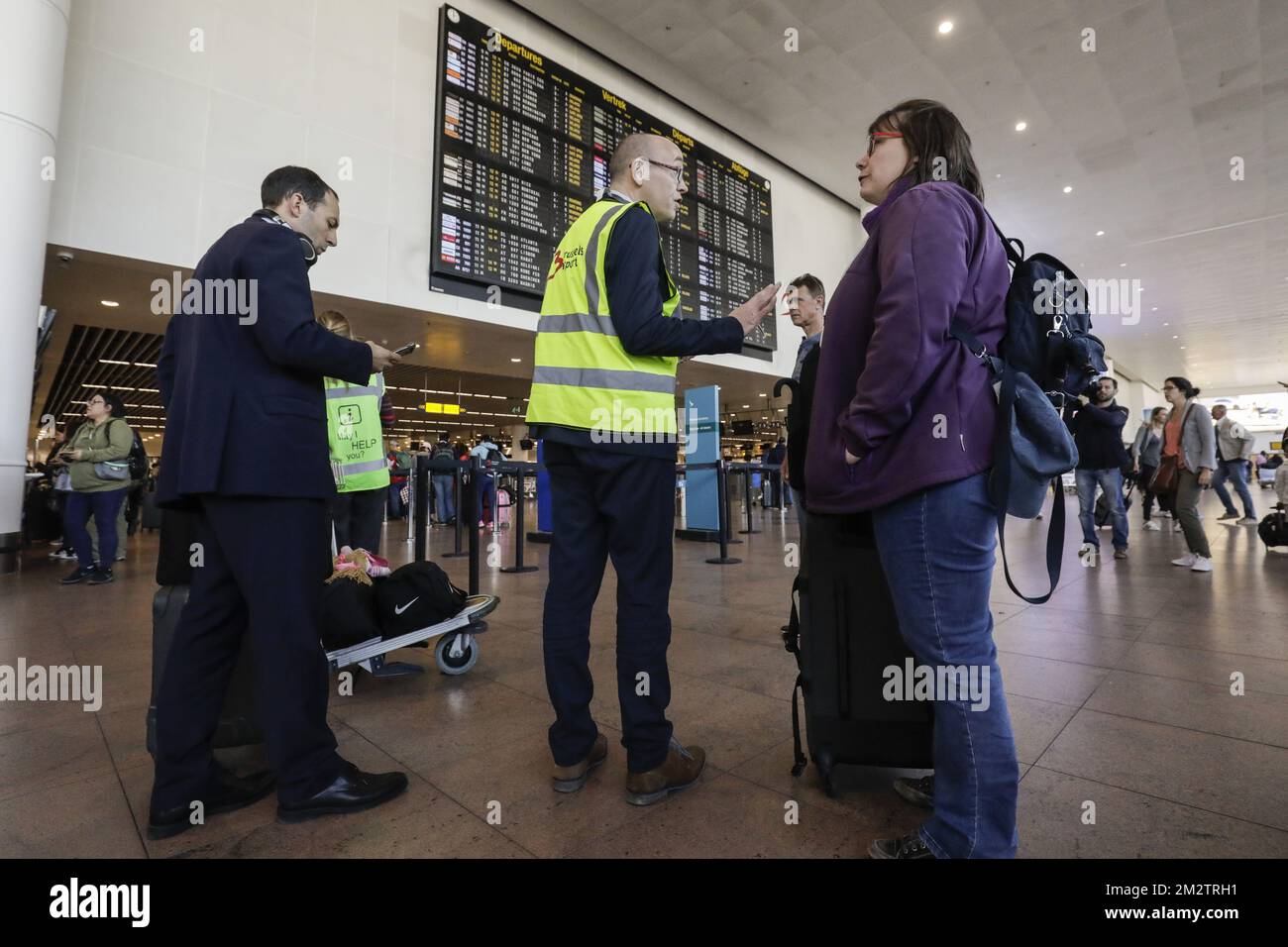
Belgian air traffic control services faced significant disruption this week as a strike by employees of skeyes, the country’s primary air navigation authority, led to widespread flight cancellations and delays. The walkout, which began on [date], saw airspace over Belgium effectively closed for several hours, impacting both domestic and international travel. The dispute, which involved negotiations between management and unions, was resolved by 9:00 PM local time, with operations gradually resuming.
The strike, which affected major airports including Brussels and Charleroi, highlighted tensions over working conditions and compensation. According to reports, skeyes employees earn up to 13,000 euros gross per month, a figure that drew public attention amid the labor action. While the exact terms of the agreement between the company and unions remain undisclosed, the resolution allowed for the resumption of some flights, though officials warned that cancellations could still occur due to lingering operational challenges.
Impact on Travel and Industry
The disruption underscored the critical role of air traffic control in maintaining the flow of commercial and private aviation. With over 3,000 aircraft managed daily by skeyes, the strike had cascading effects on travel schedules, prompting airlines to adjust routes and passengers to rebook flights. While some services at Brussels Airport resumed by late afternoon, the situation remained fluid, with authorities urging travelers to check with their carriers for updates.
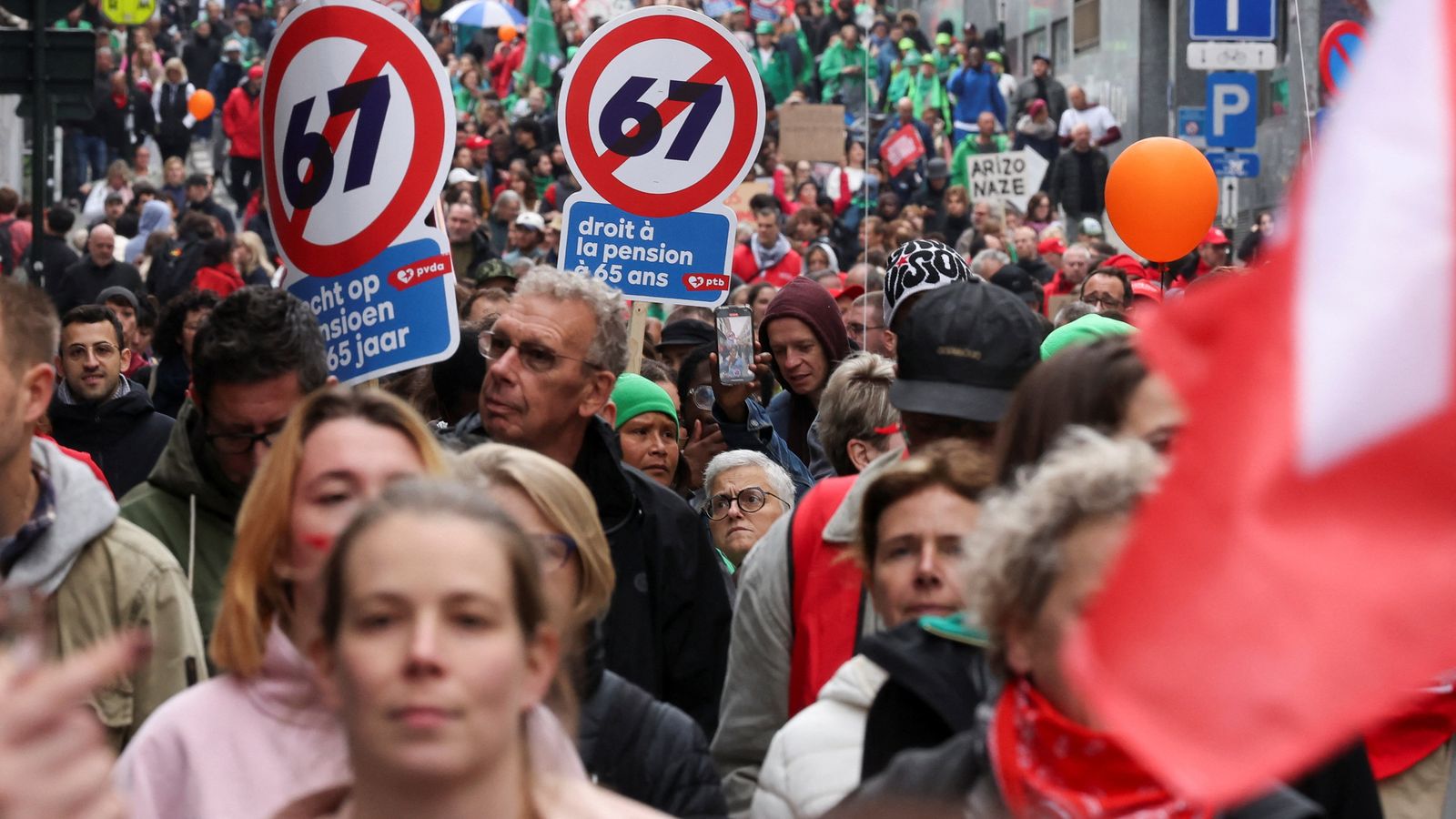
The incident also reignited debates about the working conditions of air traffic controllers, a profession requiring high levels of precision and responsibility. Skeyes, which operates under a public mandate to ensure safety and efficiency, has previously emphasized its commitment to maintaining robust infrastructure and staff welfare. The resolution of the strike, however, did not address broader concerns about staffing levels or long-term labor agreements.
Context and Broader Implications
skeyes, formerly known as Belgocontrol, has been a key player in Belgium’s aviation sector since its establishment in 1946. The organization, which also oversees airspace in Luxembourg, manages critical functions such as air traffic control, meteorological services, and drone regulation. Its operations are integral to the region’s connectivity, making any disruption a significant event for both passengers and the broader economy.
The strike comes amid ongoing discussions about labor relations in the aviation industry, where workers often face high-stress environments. While the immediate resolution averted a prolonged crisis, it raises questions about the sustainability of current work models and the need for proactive dialogue between employers and employees.
As the aviation sector continues to recover from pandemic-related challenges, incidents like this serve as a reminder of the delicate balance required to maintain seamless operations. For now, skeyes and its partners are focused on restoring normalcy, with no immediate indications of further disruptions.
