
Wind Turbines on the Horizon: How a Proposed Wind Farm Near St. Leon Is Sparking Debate Over Manitoba’s Green Energy Future
In the quiet farmlands of southwestern Manitoba, where rolling fields stretch toward the horizon and rural life unfolds at a slower pace, a proposal to build 30 to 35 wind turbines has ignited a fierce debate. The project, a collaboration between Innergex Renewable Energy—a Quebec-based clean energy developer—and the Swan Lake First Nation, aims to expand the province’s wind energy capacity by up to 600 megawatts. But for residents of St. Leon and surrounding communities, the plan raises concerns about the future of their land, their way of life, and even the spiritual significance of their surroundings.
This is not just another energy project. It’s a clash between Manitoba’s ambitious renewable energy goals and the deep-rooted values of a rural community that fears losing what makes the region unique. As provincial officials push to meet climate targets, locals are asking: Can green energy coexist with rural tranquility? And who gets to decide what the land is used for?
What follows is a detailed look at the proposed wind farm, the concerns of those who call the area home, and the broader implications for Manitoba’s energy transition.
— ### The Proposal: A Wind Farm in the Heart of Rural Manitoba The project, announced in early 2026, would see 30 to 35 wind turbines erected near the Swan Lake First Nation, approximately 135 kilometers southwest of Winnipeg. The site is adjacent to—but separate from—an existing wind farm near St. Leon, which has already drawn criticism from some residents for its visual and auditory impact.
Key details of the proposal:
- Location: Near Swan Lake First Nation, about 135 km southwest of Winnipeg, in southwestern Manitoba.
- Developer: Innergex Renewable Energy, in partnership with the Swan Lake First Nation.
- Scale: 30 to 35 turbines, contributing to a broader target of 600 megawatts of new wind capacity in Manitoba.
- Context: Part of Manitoba Hydro’s 2025 request for proposals (RFP) aimed at Indigenous-majority-owned renewable energy projects.
- Timeline: Proposals from eligible companies were due in July 2026, though the exact timeline for approval and construction remains unclear.
The wind farm would be one of several Indigenous-led renewable energy projects under consideration by Manitoba Hydro, reflecting a growing trend across Canada to involve First Nations in energy development. However, the proposal has sparked resistance from some residents who argue that the turbines would disrupt the rural landscape, harm wildlife, and undermine the region’s agricultural economy.
— ### Who’s Involved: Stakeholders and Their Positions The debate over the wind farm involves multiple parties, each with distinct interests and concerns. #### 1. Innergex Renewable Energy and Swan Lake First Nation Innergex, a major player in North American renewable energy, has positioned the project as a key step in Manitoba’s transition to cleaner electricity. The company has emphasized:
- Economic benefits, including jobs and revenue sharing for the Swan Lake First Nation.
- Environmental advantages, such as reduced greenhouse gas emissions compared to fossil fuel-based power.
- Commitment to Indigenous partnership, aligning with Manitoba Hydro’s RFP requirements.
The Swan Lake First Nation has not publicly opposed the project, though their exact stance remains to be fully articulated. As an Indigenous-led venture, the proposal carries additional weight in Manitoba’s push for reconciliation and economic development on reserve lands.
#### 2. Local Residents: Fear of Losing Rural Life For many residents of St. Leon and nearby communities, the wind farm represents an unwelcome intrusion. Concerns include:
- Visual and noise pollution: Wind turbines are often criticized for their towering presence and the low-frequency hum they produce, which some describe as disruptive.
- Impact on wildlife: The region is home to diverse species, including birds and bats that could be affected by turbine blades.
- Property values and agriculture: Some farmers worry that turbines could deter tourists or reduce the appeal of their land for recreational use.
- Cultural and emotional attachments: For families like the Mazurs, whose cabin sits near the proposed site, the land holds deep personal significance. The prospect of turbines looming over a memorial built for a loved one adds a layer of emotional weight to the debate.
Sara Mazur, a resident near St. Lupicin, has been vocal about her opposition. She described the potential turbines as a threat to the peace and quiet of the land she grew up on, where her family’s cabin serves as a quiet retreat. “It shouldn’t just be the farmer next to me that gets to decide,” she said. “They can put it less than a kilometer from my property.”
#### 3. Manitoba Hydro: Balancing Energy Needs and Community Concerns Manitoba Hydro, the province’s Crown corporation responsible for electricity generation and transmission, issued the RFP in 2025 as part of its plan to add up to 600 MW of new wind capacity. The move aligns with Manitoba’s climate goals, including a commitment to reduce emissions by 40% below 2005 levels by 2030.
However, the utility must also navigate public perception. While wind energy is generally seen as a cleaner alternative to coal or natural gas, its acceptance in rural areas can be contentious. Manitoba Hydro has not yet released a detailed response to local concerns, but the RFP process suggests that Indigenous-led projects are a priority.
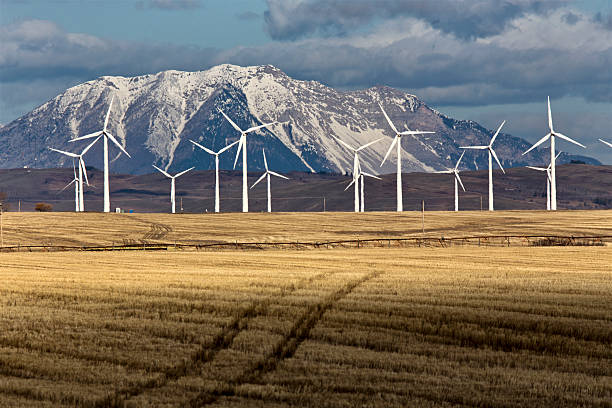
#### 4. Environmental Groups: Mixed Reactions Environmental organizations typically support wind energy as a tool to combat climate change, but their stance on this specific project varies. Some may argue that the benefits of renewable energy outweigh local concerns, while others could highlight the need for careful siting to minimize ecological impact. No major environmental groups have publicly weighed in on this proposal as of early June 2026. — ### Why This Matters: The Broader Context of Manitoba’s Energy Transition Manitoba’s push for renewable energy is part of a larger national and global shift away from fossil fuels. The province has set ambitious targets to reduce emissions, and wind power is seen as a key component of that strategy. However, the St. Leon wind farm proposal highlights the challenges of balancing environmental goals with community values. #### The Push for Indigenous-Led Energy Projects Manitoba’s RFP for Indigenous-majority-owned renewable projects reflects a broader trend in Canada to involve First Nations in energy development. This approach aims to:
- Create economic opportunities on reserve lands.
- Address historical injustices by ensuring Indigenous communities benefit from resource extraction on their traditional territories.
- Gain local support for projects that might otherwise face opposition.
Yet, as the St. Leon case demonstrates, even Indigenous-led projects can face resistance from non-Indigenous neighbors. This raises questions about how to reconcile competing interests when energy development intersects with rural life.
#### The Rural vs. Urban Divide in Energy Acceptance Studies suggest that acceptance of renewable energy projects varies significantly between urban and rural areas. While city dwellers may support wind farms as a distant but necessary solution to climate change, rural residents often experience the direct impacts—noise, visual changes, and potential effects on property values. The St. Leon proposal underscores this divide, with urban policymakers prioritizing green energy while rural communities grapple with its local consequences. #### The Role of NIMBYism (Not In My Backyard) The opposition in St. Leon is not unique. Across North America, wind farm projects frequently encounter “NIMBY” resistance, where locals oppose developments near their homes despite supporting renewable energy in principle. This phenomenon reflects a broader tension between collective environmental goals and individual quality of life.
Critics of NIMBYism argue that such opposition can delay critical climate action. Supporters counter that local concerns must be taken seriously to ensure projects are socially and environmentally sustainable.
— ### The Human Side: Stories from St. Leon Behind the data and policy discussions are real people whose lives could be altered by the wind farm. Here are a few perspectives: #### The Farmer’s Dilemma John K., a farmer whose fields border the proposed turbine sites, acknowledges the need for clean energy but worries about the practical impacts. “I’ve seen what wind farms do to land values in other parts of the province,” he says. “Tourists don’t come to see turbines—they come for the open skies and the wildlife. If this changes that, it’s not just about my farm; it’s about the whole community.”
His concerns are shared by others who rely on agriculture and tourism for their livelihoods. The wind farm could disrupt seasonal activities, from hunting to farming, that are deeply tied to the region’s identity.
#### The Wildlife Enthusiast’s Fear Lisa T., a local birder and conservationist, has documented rare species in the area, including migratory birds that pass through southwestern Manitoba. She fears the turbines could pose a threat to these animals, particularly during low-light conditions when birds are most active. “This isn’t just about noise or views,” she says. “It’s about whether we’re willing to sacrifice our natural heritage for energy.” #### The First Nation’s Perspective While the Swan Lake First Nation has not publicly opposed the project, some members express caution. Elders in the community have spoken about the land’s spiritual significance, and there are concerns that the turbines could disrupt sacred sites or hunting grounds. However, the First Nation may also see economic benefits, such as revenue sharing and job creation, as outweighing these risks. — ### What’s Next: The Road Ahead for the Wind Farm Proposal As of early June 2026, the proposal remains in the early stages of the approval process. Key steps ahead include:
- Environmental assessments: Regulatory reviews will examine the project’s impact on wildlife, noise levels, and land use.
- Public consultations: Manitoba Hydro and Innergex may hold community meetings to address concerns and gather feedback.
- Indigenous engagement: Further discussions with the Swan Lake First Nation will shape the project’s design and benefits.
- Political and regulatory decisions: Provincial and federal approvals will determine whether the project moves forward.
The timeline for a final decision is unclear, but opponents of the wind farm are already organizing. Local advocacy groups have begun gathering signatures and reaching out to politicians to voice their concerns. Meanwhile, supporters of the project—including some Indigenous leaders and environmental advocates—are urging patience and a focus on the long-term benefits of renewable energy.

— ### Common Questions About the Proposed Wind Farm Near St. Leon
How will the wind farm affect property values in the area?
Studies on wind farm impacts vary, but some rural communities near turbines have reported declines in property values due to concerns about noise, visual impact, and tourism. However, others have seen no significant change. The exact effect on St. Leon will depend on factors like turbine placement and local market conditions.
Will the turbines harm wildlife?
Wind turbines can pose risks to birds and bats, particularly during migration seasons. Mitigation measures, such as careful siting and operational adjustments, can reduce these impacts. Environmental assessments for the St. Leon project will likely include wildlife studies to address these concerns.
How will the Swan Lake First Nation benefit from this project?
As an Indigenous-led venture, the project could generate revenue through land leases, job opportunities, and potential profit-sharing arrangements. The exact benefits will depend on the terms negotiated between Innergex and the First Nation.
Can residents still oppose the wind farm if it moves forward?
Yes. Even after approval, residents can challenge the project through legal avenues, such as environmental appeals or land-use disputes. Public consultations provide an opportunity to voice concerns before final decisions are made.
What are Manitoba’s renewable energy goals?
Manitoba aims to reduce greenhouse gas emissions by 40% below 2005 levels by 2030, with wind and hydroelectric power playing key roles. The province has also committed to increasing Indigenous participation in energy projects as part of reconciliation efforts.
How does this compare to other wind farm projects in Canada?
Wind energy development in Canada has faced both support and opposition. Some projects, like those in Ontario and Quebec, have proceeded with minimal resistance, while others—particularly in rural or scenic areas—have encountered strong local opposition. The St. Leon case reflects a common tension between provincial energy goals and rural community priorities.
—
The debate over the St. Leon wind farm is more than just a local controversy—it’s a microcosm of the challenges Canada faces as it transitions to cleaner energy. For residents like Sara Mazur, the issue is personal: it’s about preserving the quiet, the wildlife, and the memories tied to the land. For policymakers and energy developers, it’s about balancing ambition with accountability. And for Manitoba’s future, it’s a test of whether green energy can be embraced without leaving rural communities behind.
As the proposal moves forward, one thing is certain: the voices of those who call St. Leon home will continue to shape the conversation.
