
Ghana Lawmakers Approve Bill Criminalizing LGBTQ ‘Promotion’, Official Says – Reuters: A Deep Dive into the Legislation and its Implications
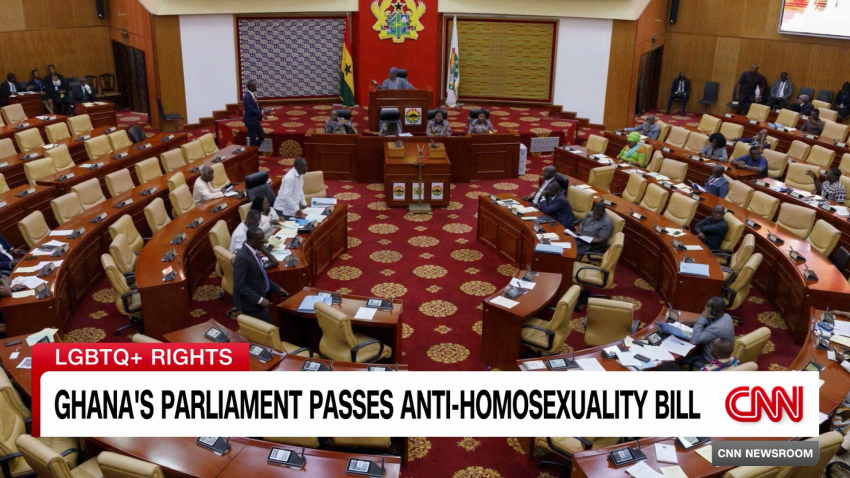
In a move that has ignited intense debate both within West Africa and across the global human rights community, reports indicate that Ghana lawmakers approve bill criminalizing LGBTQ ‘promotion’, official says – Reuters. The legislative action marks a significant escalation in the Ghanaian government’s approach to gender and sexual diversity, moving beyond the existing criminalization of same-sex acts to target the very act of advocacy, support, and public visibility of LGBTQ+ individuals.
The passage of this bill by the Ghanaian parliament signals a hardening of the state’s stance on traditional and religious values, positioning the “promotion” of non-heteronormative identities as a threat to the national social fabric. However, the path from parliamentary approval to active law remains fraught with political tension, as conflicting reports emerge regarding whether the legislation has officially reached the desk of the President for his signature.
Understanding the Core of the Legislation
To understand the gravity of the current situation, it is essential to distinguish between the existing legal framework in Ghana and the new provisions introduced by this bill. For decades, Ghana has maintained laws that criminalize consensual same-sex relations, a legacy often attributed to colonial-era legal codes. However, the new legislation expands the scope of criminality significantly.
The primary focus of the new bill is the “promotion” of LGBTQ+ activities. While the term “promotion” remains subject to legal interpretation, it generally encompasses a wide array of activities that were previously considered protected speech or humanitarian aid. These may include:
- Public Advocacy: Organizing rallies, protests, or public awareness campaigns for LGBTQ+ rights.
- Educational Outreach: Teaching or distributing materials that describe LGBTQ+ identities in a positive or neutral light.
- Social Support: Providing shelters, healthcare, or legal aid specifically tailored to the needs of the LGBTQ+ community.
- Digital Presence: Using social media or online platforms to advocate for the decriminalization of LGBTQ+ identities.
The shift from criminalizing acts to criminalizing advocacy represents a strategic move to erase LGBTQ+ visibility from the public sphere, effectively silencing not only the individuals themselves but also their allies and human rights defenders.
Key Provisions and Potential Penalties
While the full text of the law is often scrutinized for ambiguity, the general intent is to create a deterrent against any effort to normalize LGBTQ+ identities. Reports suggest that those found guilty of “promoting” these activities could face stringent penalties, including heavy fines and imprisonment. This creates a “chilling effect,” where individuals may self-censor or cease providing critical life-saving services to marginalized populations for fear of state prosecution.
| Feature | Existing Colonial-Era Laws | New “Anti-Promotion” Bill |
|---|---|---|
| Primary Target | Same-sex sexual acts | Advocacy, support, and visibility |
| Scope of Crime | Private conduct | Public expression and institutional support |
| Intent | Moral policing of behavior | Systemic erasure of LGBTQ+ identity |
| Impact on Allies | Minimal direct legal risk | High risk of prosecution for “promoting” |
The Political Tug-of-War: Parliament vs. The Presidency
Despite the reports that Ghana lawmakers approve bill criminalizing LGBTQ ‘promotion’, official says – Reuters, the legislative process has hit a complex administrative bottleneck. In any democratic system, a bill passed by parliament must be signed by the head of state to become law. In this instance, there appears to be a disconnect between the legislative branch and the executive office.
While parliamentary officials have celebrated the approval of the bill as a victory for “traditional values,” representatives from the presidency have offered a different narrative. Specifically, statements from government spokespersons have indicated that no such bill has been formally presented to President Akufo-Addo for his signature. This discrepancy suggests a potential internal friction within the government or a strategic delay intended to manage international diplomatic fallout.
Why the Delay Matters
The gap between parliamentary approval and presidential assent is a critical window. During this time, the bill is not yet law, and there remains a slim possibility for:
- Legal Challenges: Human rights organizations may file petitions to the Supreme Court to challenge the constitutionality of the bill before it is enacted.
- Diplomatic Pressure: International partners, including the United States and the European Union, may leverage economic or diplomatic incentives to discourage the president from signing the bill.
- Executive Veto: The president may choose to return the bill to parliament for amendments or veto it entirely to maintain a balance between domestic conservatism and international standing.
For those tracking the news that Ghana lawmakers approve bill criminalizing LGBTQ ‘promotion’, official says – Reuters, this administrative limbo is where the real battle for the bill’s future is being fought.
The Societal and Cultural Drivers
To view this legislation solely through a legal lens is to miss the deeper societal currents driving it. Ghana is a deeply religious society, with a powerful convergence of Christian and Islamic leadership that views LGBTQ+ identities as foreign impositions or moral failures.
The Role of Religious Institutions
Religious leaders in Ghana wield immense influence over both the electorate and the lawmakers. Many argue that the “promotion” of LGBTQ+ rights is a form of “ideological colonization” from the West. By framing the bill as a defense of the Ghanaian family and traditional morality, proponents have successfully garnered broad public support, making it politically risky for any lawmaker to oppose the bill.
The “Foreign Influence” Narrative
A recurring theme in the debate is the claim that LGBTQ+ rights are not “African” values. This narrative allows proponents of the bill to frame human rights advocacy as an attack on national sovereignty. By positioning the bill as a shield against external cultural pressure, the government can align itself with a nationalist sentiment that resonates with a large portion of the population.
However, critics point out that the laws being used to justify these crackdowns are often the very colonial imports that the nationalists claim to be fighting. The irony of using colonial-era logic to defend “traditional African values” is a central point of contention for legal scholars and historians.
Human Rights Implications and the Risk of Violence
The most immediate and alarming consequence of a law that criminalizes the “promotion” of LGBTQ+ identities is the potential for an increase in vigilante violence. When the state officially labels a group or its supporters as “criminals” or “threats to the nation,” it often provides a tacit endorsement for citizens to take the law into their own hands.
The Threat to Healthcare and Social Services
One of the most devastating impacts of this legislation is the potential collapse of healthcare access for LGBTQ+ Ghanaians. Many clinics and NGOs provide essential services, including HIV/AIDS treatment and mental health support, to marginalized communities. If providing these services is interpreted as “promoting” LGBTQ+ activities, healthcare providers may be forced to choose between their professional ethics and their personal freedom.
This could lead to a public health crisis, as individuals fearing prosecution may avoid seeking medical care, thereby increasing the spread of communicable diseases and worsening the mental health crisis within the community.
The Impact on Civil Society
The bill does not only target LGBTQ+ individuals but also the broader ecosystem of human rights defenders. Lawyers, journalists, and activists who report on or defend the rights of the marginalized could find themselves targeted under the “promotion” clause. This narrows the space for democratic discourse and weakens the overall strength of Ghana’s civil society.
For more information on how such laws affect regional stability, you may find a related explainer on human rights trends in West Africa helpful.
International Reactions and Geopolitical Consequences
Ghana has long been seen as one of the more stable and democratic nations in Africa, often serving as a beacon of governance in the region. The move to criminalize LGBTQ+ promotion puts this reputation at risk and creates tension with key global partners.
Economic and Diplomatic Pressure
Many Western nations have tied certain types of aid and trade preferences to human rights records. While it is unlikely that a single bill would lead to a total severance of ties, it could lead to:
- Targeted Sanctions: Sanctions against specific officials involved in the drafting and enforcement of the law.
- Reduction in Aid: A shift in how development funds are allocated, potentially bypassing government channels in favor of direct NGO support.
- Diplomatic Friction: Strained relations with the UN and other international bodies that prioritize the Universal Declaration of Human Rights.
The “Uganda Parallel”
Observers have frequently compared Ghana’s trajectory to that of Uganda, which passed one of the world’s harshest anti-LGBTQ+ laws. In Uganda, the legislation led to widespread arrests, a surge in hate crimes, and significant international condemnation. Ghana’s lawmakers may be looking at the Ugandan model as a blueprint for consolidating domestic political power, even at the cost of international standing.
Common Misconceptions About the Bill
In the rush to report on the news that Ghana lawmakers approve bill criminalizing LGBTQ ‘promotion’, official says – Reuters, several oversimplifications have entered the public discourse. It is important to clarify these points:
Misconception 1: “The law only affects people who are openly gay.”
Correction: The bill specifically targets the promotion of LGBTQ+ identities. This means that straight allies, human rights lawyers, and medical professionals who provide support can be prosecuted, regardless of their own sexual orientation.
Misconception 2: “This is a new problem in Ghana.”
Correction: While the bill is new, the social and legal hostility toward LGBTQ+ people has existed for decades. This bill is the culmination of a long-term trend toward social conservatism rather than a sudden shift.
Misconception 3: “The bill is already in effect.”
Correction: As noted, while parliament has approved the bill, the lack of a presidential signature means it has not yet become an enforceable law. The legal status remains in a state of flux.
Analyzing the Path Forward
The current situation in Ghana is a litmus test for the balance between national sovereignty and international human rights standards. The government finds itself caught between a domestic constituency that overwhelmingly supports the bill and a global community that views it as a violation of fundamental liberties.
If the president signs the bill, Ghana will likely see a wave of legal challenges in the domestic courts. The Ghanaian judiciary has a history of independence, and the Supreme Court may be the final arbiter of whether the bill violates the 1992 Constitution, which guarantees fundamental human rights to all citizens.
If the president refuses to sign or delays indefinitely, the bill remains a potent political symbol—a signal to the conservative base that the government shares their values, without actually implementing the legal machinery that would trigger international sanctions.
Potential Scenarios
- Full Implementation: The president signs, the law is enforced, and Ghana faces a period of intense internal crackdown and international isolation.
- Judicial Intervention: The bill is signed but immediately struck down by the Supreme Court as unconstitutional.
- Executive Stalling: The bill sits on the president’s desk indefinitely, serving as political theater without becoming legal reality.
For those interested in the legal mechanisms of constitutional challenges in African democracies, a related explainer on judicial review in Ghana could provide further context.
Frequently Asked Questions
What does “promotion of LGBTQ activities” actually mean in the Ghanaian bill?
While the legal definitions are still being debated, “promotion” generally refers to any public advocacy, educational efforts, or the provision of social and legal support intended to normalize or protect LGBTQ+ identities. This includes everything from organizing pride events to providing specialized healthcare.
Is it currently illegal to be LGBTQ+ in Ghana?
Yes, Ghana has existing laws that criminalize same-sex sexual acts. The new bill does not create the initial criminalization of the identity or act, but rather expands the law to criminalize the advocacy and support of those identities.
Has the President of Ghana signed the bill into law?
There is conflicting information. While parliamentary officials have stated the bill was approved, some executive branch officials have claimed the bill has not yet been presented to the President for his signature. Until the signature is confirmed, the bill is not yet active law.
How does this law affect foreign citizens visiting Ghana?
Foreigners are subject to the laws of the country they are visiting. If the bill is enacted, foreign nationals who engage in advocacy or “promotion” of LGBTQ+ rights within Ghana’s borders could potentially face legal prosecution, fines, or deportation.
What are the potential international consequences for Ghana?
Ghana may face diplomatic tension with Western allies, potential reductions in specific types of human rights-linked aid, and a damaged reputation regarding its commitment to democratic values and universal human rights.
The unfolding situation regarding the reports that Ghana lawmakers approve bill criminalizing LGBTQ ‘promotion’, official says – Reuters, serves as a stark reminder of the ongoing tension between traditionalist movements and the global push for human rights. As the world watches the presidential palace in Accra, the outcome will not only determine the fate of thousands of marginalized Ghanaians but will also signal Ghana’s intended role in the global community of nations.
