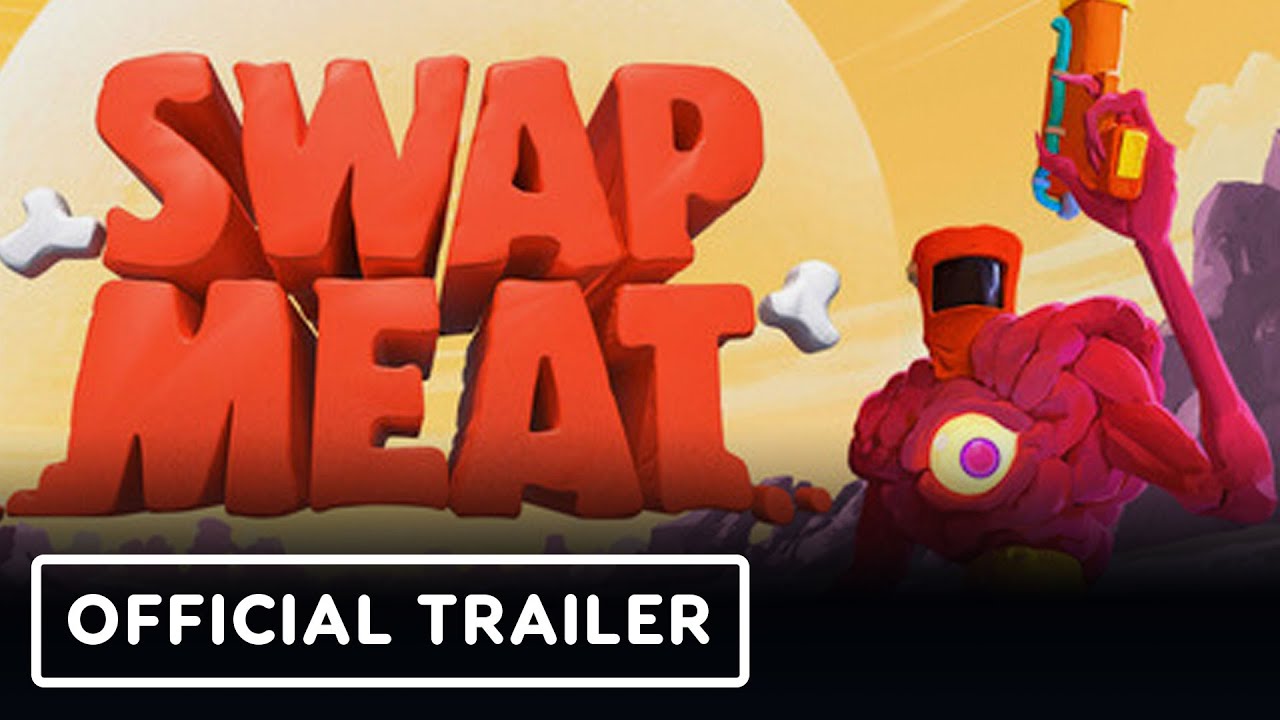
SWAPMEAT Leaves Early Access and Launches into 1.0 Today
SWAPMEAT has officially exited Early Access and launched version 1.0, according to Games Press. The title is a cooperative roguelike shooter that features gameplay centered on the mutation of body parts.
What is the SWAPMEAT 1.0 launch?
The transition to version 1.0 marks the full commercial release of SWAPMEAT. According to Games Press, the game has moved out of its Early Access phase, signaling that the developers have reached their primary development milestones and the game is now considered a complete product. This launch transition typically involves the implementation of final features, bug fixes, and stability improvements based on player feedback gathered during the testing phase.
As a cooperative shooter, the game emphasizes teamwork and strategic coordination. The core mechanic, as reported by Games Press, involves mutated body parts, which suggests a character customization or progression system where players alter their physical forms to gain new abilities or combat advantages.
Key identifiers of the SWAPMEAT 1.0 release include:
- Genre: Cooperative Roguelike Shooter.
- Core Mechanic: Body part mutation.
- Status: Full 1.0 release (Exit from Early Access).
- Source: Games Press.
How the roguelike shooter mechanics work in SWAPMEAT
SWAPMEAT operates as a “rogueliker,” a term used to describe games that incorporate elements of the roguelike genre without necessarily adhering to the strict rules of original roguelikes. In the context of a shooter, this typically involves procedural generation and permanent or semi-permanent progression systems.
The Role of Mutation
The central hook of SWAPMEAT is the use of mutated body parts. While specific mutation lists are not detailed in the announcement, the premise indicates that players do not rely solely on traditional weapon upgrades. Instead, the “swap” or “mutation” aspect suggests a dynamic system where players can change their physical attributes to adapt to different combat scenarios.

Cooperative Integration
The game is designed for co-op play. In shooters of this type, cooperation usually manifests in complementary builds. If one player mutates for tanking or defense, another may focus on high-damage output or support. This interdependence is a hallmark of the cooperative roguelike experience, where team composition determines the success of a run.
“SwapMeat exits Early Access in great shape for a co-op shooter about mutated body parts,” according to Games Press.
Understanding the transition from Early Access to 1.0
The move from Early Access to a 1.0 launch is a critical milestone in the indie game development lifecycle. Early Access allows developers to sell a game while it is still in development, providing a revenue stream and a pool of beta testers to identify bugs and balance gameplay.
For a title like SWAPMEAT, the Early Access period likely served as a testing ground for the mutation mechanics and the stability of the cooperative multiplayer. A 1.0 launch indicates that the core loop—combat, mutation, and roguelike progression—is now polished and ready for a wider audience.
| Feature | Early Access Phase | Version 1.0 Launch |
|---|---|---|
| Stability | Frequent bugs and crashes | Polished and stable build |
| Content | Experimental features | Complete core feature set |
| Feedback | Active community shaping | Finalized design based on data |
| Availability | Limited or “Beta” status | Full commercial release |
Why the ‘Mutated Body Parts’ hook matters in the current market
The shooter market is highly saturated, particularly within the roguelike subgenre. To stand out, developers often introduce a “hook”—a unique mechanical twist that differentiates their game from competitors. SWAPMEAT uses biological mutation as its primary differentiator.

Most roguelike shooters focus on weapon loot (finding a better gun) or skill trees (picking a passive perk). By focusing on body parts, SWAPMEAT shifts the customization from the equipment to the character’s physical form. This approach allows for more visual variety and potentially more drastic changes in gameplay style than a simple stat boost would provide.
Industry trends show a growing interest in “body horror” or “biological” themes in indie titles, as they provide a strong aesthetic identity that complements the chaotic nature of roguelike gameplay. The ability to swap parts suggests a level of flexibility that encourages players to experiment with unconventional builds during their runs.
Common Misconceptions about Roguelike Shooters
Readers often confuse “Roguelike” with “Roguelite.” While the source describes SWAPMEAT as a “Rogueliker,” it is important to distinguish these terms:
- Roguelike: Traditionally features grid-based movement, turn-based combat, and absolute permadeath.
- Roguelite: Features real-time combat (like a shooter) and often includes “meta-progression,” where players unlock permanent upgrades that make subsequent runs easier.
SWAPMEAT falls into the latter category, combining the high-stakes nature of roguelike runs with the fast-paced action of a cooperative shooter.
Strategic implications for cooperative players
In a 1.0 release of a co-op game, the focus usually shifts toward endgame viability and team synergy. Players entering SWAPMEAT now will likely find a more balanced experience regarding how mutations interact with one another.
The cooperative element adds a layer of complexity to the mutation system. Players must decide whether to specialize in a single role or create a versatile team. For example, if the game allows for the sharing or swapping of parts between teammates, the strategic depth increases significantly, moving the game from a simple shooter to a tactical resource-management experience.
For those interested in similar mechanics, a related explainer on roguelike progression systems may provide further context on how these games maintain longevity through repeated play.
FAQ: SWAPMEAT 1.0 Release
What is SWAPMEAT?
SWAPMEAT is a cooperative roguelike shooter where players utilize mutated body parts to fight enemies and progress through the game. According to Games Press, the game has now officially launched into version 1.0.
What does “leaving Early Access” mean for the game?
Leaving Early Access means the game has moved from a development/testing phase to a full commercial release. This typically means the core content is complete, and the game is more stable than previous versions.
Is SWAPMEAT a single-player or multiplayer game?
The game is described as a co-op shooter, meaning it is designed to be played with other people, although many roguelike shooters also offer single-player modes.
What makes the gameplay unique?
The primary unique feature is the mutation of body parts. Instead of relying solely on traditional weapons, players can alter their physical forms to change their abilities and combat effectiveness.
Is SWAPMEAT a traditional roguelike?
The source refers to it as a “Rogueliker,” which generally implies it uses roguelike elements—such as procedural levels and high difficulty—but applies them to a real-time shooter format rather than a turn-based one.
