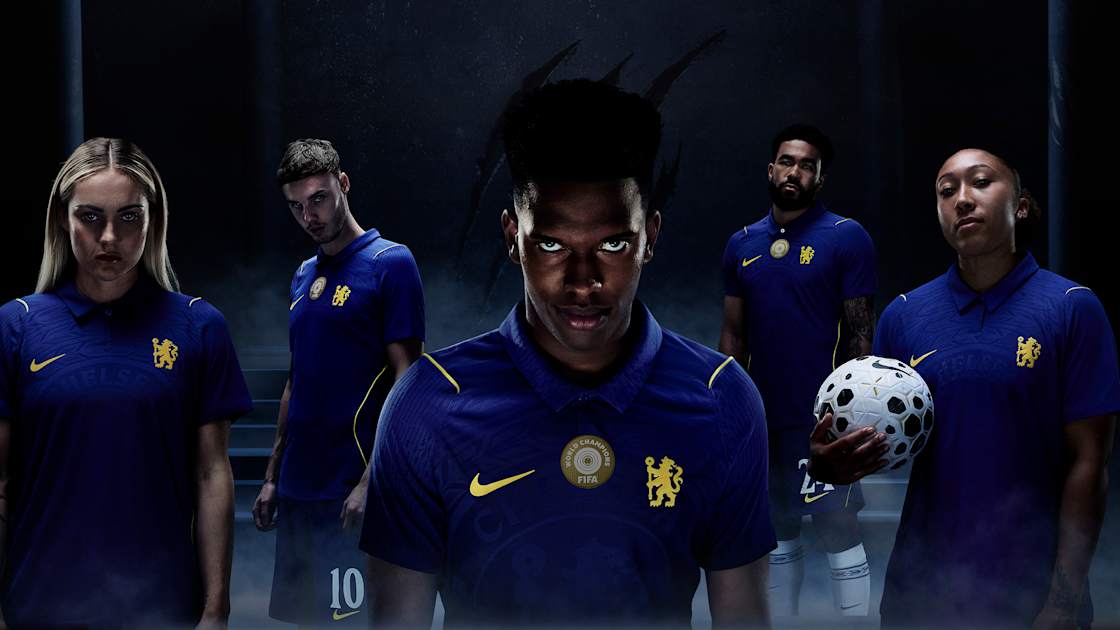
The Lion Roars: Chelsea’s Bold 2026-27 Home Kit Unveiled Ahead of Xabi Alonso’s Era
A new chapter in Chelsea Football Club’s visual identity is about to begin. The club’s highly anticipated 2026-27 home kit—featuring a striking lion motif—has been leaked ahead of its official unveiling, signaling a fresh aesthetic direction under manager Xabi Alonso and chairman Todd Boehly. The design, which prominently incorporates the club’s iconic lion emblem, marks a deliberate departure from recent iterations while reinforcing Chelsea’s heritage as one of English football’s most storied institutions.
The kit’s early exposure—spotted on high-profile figures in recent days—has sparked excitement among fans and industry analysts alike. With the 2025-26 season drawing to a close and Chelsea navigating a transitional phase in their competitive standing, the new home shirt arrives as both a symbolic gesture and a practical statement about the club’s evolving identity under its new leadership.
But what does this kit represent beyond its visual appeal? How does it align with Chelsea’s recent trajectory, and what might it signal about the club’s ambitions for the coming campaign? Here’s more than just a new jersey—it’s a reflection of a club in flux, balancing tradition with innovation as it prepares for a pivotal season.
— ### The Design: A Lion’s Return to Stamford Bridge The leaked images of the 2026-27 home kit reveal a design that places the lion—Chelsea’s most enduring symbol—front and center. Unlike previous seasons, where the lion often appeared as a small crest or subtle detail, this iteration features a more prominent, almost regal depiction, likely integrated into the shirt’s chest area or as part of a bold graphic element. Key design elements include:
- A dominant lion motif: The feline emblem, traditionally associated with strength and pride, is rendered in a more dynamic and contemporary style, blending classic Chelsea heritage with modern athletic aesthetics.
- Color scheme: While official details remain under wraps, early sightings suggest a return to the club’s traditional blue and white palette, with potential accents of gold or metallic finishes to add depth and luxury.
- Nike’s signature touches: As Chelsea’s kit manufacturer since 2005, Nike is expected to incorporate its latest performance technologies, including moisture-wicking fabrics and ergonomic cuts designed for elite-level play.
The lion’s prominence is not merely decorative; it serves as a visual anchor for the kit, reinforcing Chelsea’s identity as a club that embraces its history while looking toward the future. This approach mirrors the strategic direction under Boehly and Alonso, who have emphasized a return to core values—both on and off the pitch.
Why the lion? The choice is deliberate. The lion has been Chelsea’s emblem since the club’s founding in 1905, symbolizing courage and dominance. Its resurgence in the kit design aligns with the club’s recent narrative of rebuilding after a period of underperformance in European competitions. The 2021 Champions League triumph under Thomas Tuchel was a high point, but the subsequent seasons have seen mixed results, including a 10th-place finish in the 2025-26 Premier League. The kit’s bold design may be an attempt to reignite that sense of pride and ambition.
— ### The Leak: How the Kit Went Public Before Its Time The kit’s early reveal is a testament to the digital age’s influence on football culture. Images of the shirt—worn by celebrities and influencers—circulated on social media platforms before the official unveiling, a phenomenon that has become increasingly common in modern sports marketing. Key details about the leak:
- Celebrity sightings: High-profile figures, including athletes and entertainers, were photographed wearing the kit in public settings, effectively serving as unofficial ambassadors. While exact names have not been confirmed by the club, such leaks often involve individuals with strong connections to the football industry or Nike’s broader ecosystem.
- Social media buzz: The images generated immediate discussion among fans, with hashtags like
#Chelsea2627and#BlueIsBacktrending on platforms like Twitter and Instagram. The leak created a sense of anticipation, ensuring the kit would be a topic of conversation long before its official launch. - Nike’s role: As the kit’s manufacturer, Nike likely played a role in the controlled leak, using it as a marketing tool to build hype. The strategy aligns with Nike’s broader approach to product launches, which often blend exclusivity with accessibility.
The leak also highlights the evolving relationship between clubs, manufacturers, and fans. In an era where instant gratification is the norm, traditional unveiling events—while still important—are increasingly supplemented by digital teasers that engage global audiences in real time.

— ### The Context: Chelsea’s Kit Evolution and What This Means for the Club Chelsea’s kit design has undergone significant changes over the decades, reflecting shifts in the club’s identity, sponsorship landscape, and even its competitive fortunes. The 2026-27 home kit is the latest in a long line of designs that have served as both functional gear and symbolic statements. #### A Brief History of Chelsea’s Home Kits
| Season | Design Theme | Key Features | Context |
|---|---|---|---|
| 1905–Present | Traditional Blue | Classic blue shirts with white collars and cuffs; lion crest introduced early in the club’s history. | Founding era; emphasis on heritage. |
| 2000s | Modernization | Sleeker cuts, sponsor logos (e.g., Samsung, Fly Emirates) became more prominent. | Roman Abramovich’s ownership; global expansion. |
| 2010s | Experimental Phases | Bold designs (e.g., 2012 Champions League-winning kit with gold accents); Nike’s “Motion” technology. | Peak of European success under Mourinho, Conte. |
| 2020–2025 | Rebuilding Identity | Return to classic blue with subtle modern touches; minimalist lion crest. | Post-Tuchel era; transitional phase under Pochettino, then Alonso. |
The 2026-27 kit represents a continuation of this evolution, but with a clearer focus on heritage. The lion’s resurgence is particularly notable given Chelsea’s recent struggles to reclaim their status as a top-tier European club. The design may be an attempt to reinforce the club’s identity at a time when on-field results have been inconsistent.
the kit’s unveiling coincides with Chelsea’s transition under Xabi Alonso, who took over as manager in the summer of 2025 following the departure of Enzo Maresca. Alonso’s appointment was seen as a bold move by Boehly, bringing in a manager with a proven track record in both domestic and European competitions. The kit’s design may subtly reflect Alonso’s philosophy: a blend of tactical discipline and attacking flair, much like the lion’s balance of power and agility.
— ### The Broader Implications: Marketing, Fan Engagement, and On-Field Impact Beyond its aesthetic appeal, the 2026-27 home kit carries several layers of significance for Chelsea and its stakeholders. #### 1. Marketing and Commercial Value
- Fan merchandise sales: A visually distinctive kit often drives higher sales of replica shirts, a critical revenue stream for football clubs. The lion motif is likely to resonate with both traditional fans and younger audiences who appreciate bold, statement designs.
- Sponsorship visibility: The kit’s design will influence where and how the primary sponsor’s logo is placed. With Chelsea’s commercial partnerships evolving—particularly in the wake of recent high-profile deals—the kit serves as a canvas for these relationships.
- Global reach: The leak and subsequent social media activity have already extended Chelsea’s brand reach. The kit’s design will be a key talking point in markets where the club has a growing fanbase, from the U.S. To Asia.
#### 2. Fan Engagement and Identity
The kit’s design is a direct conversation with Chelsea’s supporters. The lion’s prominence suggests a deliberate effort to reconnect with the club’s roots, particularly for older fans who may have grown disillusioned with recent underperformance. For younger fans, the kit’s modern touches—such as potential metallic accents or dynamic graphics—offer a contemporary twist that keeps the club relevant.
Fan reactions to the leak have been largely positive, with many praising the return of the lion as a symbol of strength. However, some purists may critique the design for straying too far from the club’s traditional aesthetic. The challenge for Chelsea will be balancing innovation with authenticity—a tightrope walk that many clubs struggle with.
#### 3. On-Field Psychology
While kits are primarily functional gear, their design can have a psychological impact on players. A bold, heritage-rich kit like this one may serve as a reminder of Chelsea’s legacy and the expectations placed on the team. For players like Reece James, Conor Gallagher, and emerging talents, wearing the lion on their chest could be a daily motivation to perform at the highest level.
Historically, kits have played a role in team morale. For example, the 2012 Champions League-winning kit—with its gold accents—became a symbol of that triumphant season. The 2026-27 design may similarly become associated with a resurgence under Alonso, provided the club’s results align with the kit’s bold statement.
— ### The Road Ahead: What’s Next for Chelsea’s Kit and the Club? The official unveiling of the 2026-27 home kit is expected in the coming weeks, likely accompanied by a promotional campaign featuring current players and possibly a special edition of the shirt. Fans can anticipate:
- Player reactions: Statements from key players about their connection to the new design, particularly how it resonates with their personal journey at the club.
- Limited-edition releases: Nike may introduce a special version of the kit, perhaps with unique materials or player signatures, to mark the transition into the new era.
- Fan voting elements: Some clubs incorporate fan feedback into kit designs. Chelsea may offer limited choices in certain elements (e.g., collar style, sleeve accents) to engage supporters.
More broadly, the kit’s unveiling sets the stage for Chelsea’s 2026-27 season. With Alonso at the helm, the club’s focus will likely be on three key areas:
- Competitive consistency: Rebuilding from a 10th-place finish in the Premier League and a lackluster Europa League campaign.
- Youth development: Integrating academy talents like Jude Akinola and Ben Buckle into the first team.
- European ambition: A return to the Champions League, where Chelsea have historically excelled.
The lion on the kit is more than just a logo—it’s a promise. Whether that promise translates into on-field success remains to be seen, but the design itself is a clear signal: Chelsea are ready to roar again.
— ### Key Questions and Answers About Chelsea’s New Kit
Q: When will the 2026-27 home kit be officially unveiled?
A: While exact dates have not been confirmed, the official unveiling is expected in late June or early July 2026, coinciding with the start of pre-season preparations. Fans should watch for announcements from Chelsea’s official social media channels and Nike’s sportswear platforms.
Q: Will the kit be available for purchase before the official launch?
A: Typically, clubs and manufacturers release kits for pre-order shortly after the unveiling. Given the early leak, there may be a limited window for early access, but official sales will likely begin in late July 2026.
Q: How does this kit compare to Chelsea’s other recent designs?
A: Unlike the minimalist, blue-heavy kits of the past two seasons, the 2026-27 design prioritizes the lion motif and may include more dynamic graphics or metallic accents. It represents a shift toward boldness, aligning with Chelsea’s recent narrative of rebuilding and reinvention.
Q: Are there any rumors about the away kit for 2026-27?
A: As of now, details about the away kit remain under wraps. However, leaks often precede official announcements, so fans can expect more information in the coming weeks. Past away kits have included designs with white bases and blue accents, but the 2026-27 version may take a different approach.
Q: How does Chelsea’s kit design process work?
A: Chelsea’s kit designs are typically developed in collaboration with Nike, incorporating input from the club’s marketing team, players, and sometimes fan feedback. The process begins months in advance, with early prototypes tested for performance and aesthetic appeal before finalizing the design.
Q: Can fans expect any special editions or collaborations for this kit?
A: Special editions are common in modern football kit releases. Chelsea may introduce limited-edition versions featuring player signatures, retro designs, or collaborations with artists or other brands. Fans should keep an eye on official announcements for details.
Q: How does this kit reflect Chelsea’s current strategy under Xabi Alonso?
A: The kit’s bold design—particularly the lion’s prominence—suggests a return to Chelsea’s core identity, aligning with Alonso’s emphasis on discipline, pride, and attacking football. The visual statement mirrors the club’s strategic shift toward rebuilding with a clear sense of purpose.
—
The 2026-27 home kit is more than just a piece of merchandise—it’s a visual manifesto for Chelsea’s ambitions. As the club steps into a new era under Alonso, the lion’s roar will be heard loudest on the pitch, but its echo will resonate through every corner of Stamford Bridge and beyond.
