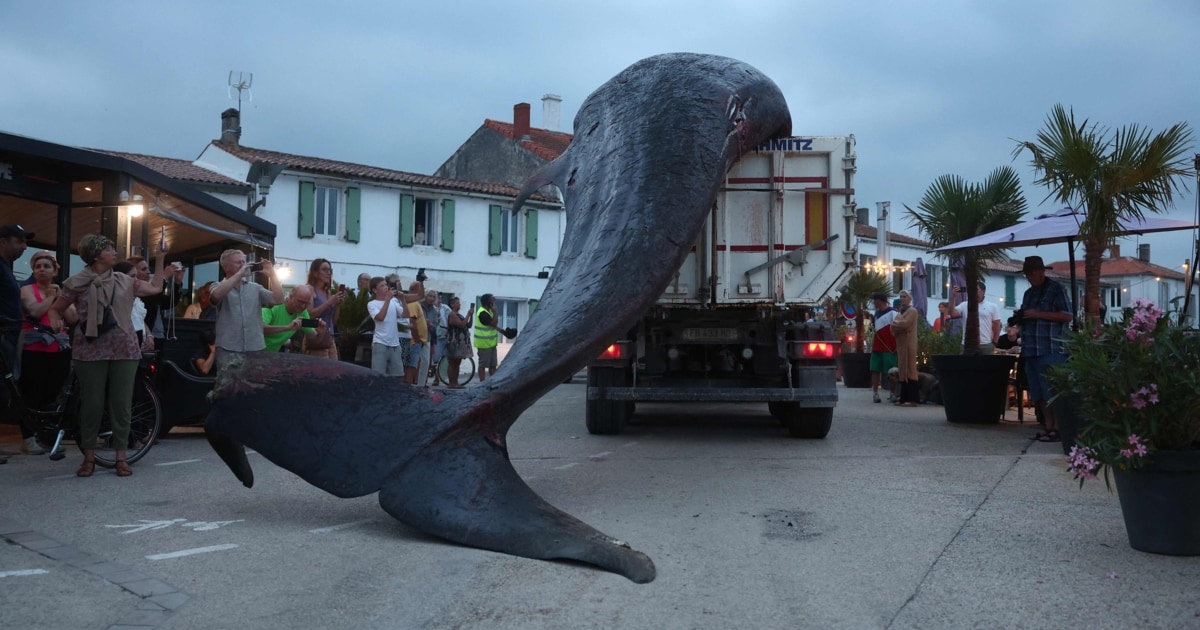
A stranded whale on the German coast has become an unexpected case study in the contrasting administrative cultures of two European neighbors. While German authorities navigated a complex series of regulatory protocols to determine the disposal of the carcass, French counterparts intervened with a pragmatic approach that left local observers astonished.
Bureaucratic Caution vs. Direct Action
The incident began when a large, dead whale washed ashore, triggering a standard response from German officials. In accordance with national environmental and safety guidelines, authorities began a deliberative process to assess the animal and coordinate a removal strategy that met all legal and ecological requirements.
However, this methodical approach was starkly contrasted by the response of French teams involved in the operation. While the German side focused on the procedural framework of the recovery, the French personnel opted for a more streamlined execution. According to local media reports, the French team bypassed the prolonged deliberation, simply opting to have the animal towed
away from the beach.
A Contrast in Maritime Management
The speed of the French intervention sparked significant discussion among onlookers and officials. The event highlighted a recurring theme in European cross-border cooperation: the tension between Germany’s preference for comprehensive planning and France’s tendency toward decisive, immediate action.
Observers noted that the German response was characterized by a desire to avoid any procedural errors, whereas the French approach prioritized the immediate removal of the carcass to clear the shoreline. This divergence in methodology transformed a routine maritime cleanup into a public demonstration of differing national operational philosophies.
The whale has since been removed from the area, ending a standoff that was less about the biological challenge of the carcass and more about the administrative friction between two different styles of governance.
