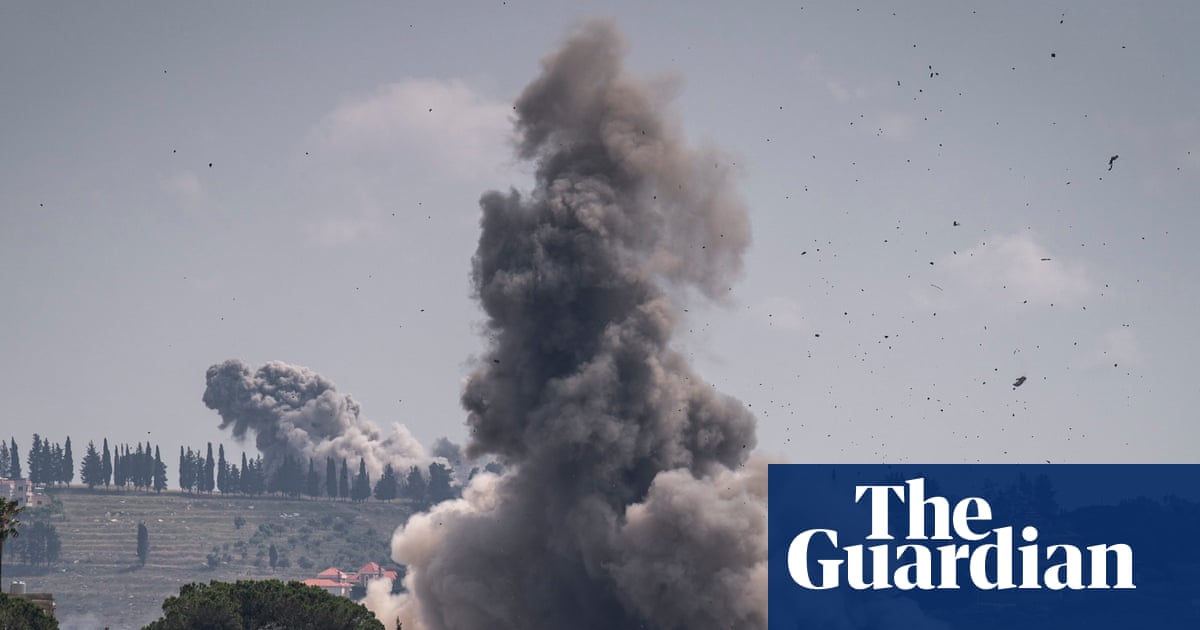
Israel Strikes Southern Lebanon Amid Trump’s Ceasefire Efforts: A Deep Dive into Regional Tensions
Amid escalating violence in the Middle East, Israel has launched fresh strikes in southern Lebanon, a development that has raised alarms about the fragile state of regional stability. Despite efforts by global leaders, including former U.S. President Donald Trump, to mediate a de-escalation, the conflict between Israel and Hezbollah continues to intensify. This article examines the latest events, the geopolitical context, and the broader implications of the ongoing crisis.
What Happened: Israel’s Strikes and Their Immediate Impact
Recent Israeli military operations in southern Lebanon have targeted infrastructure and positions linked to Hezbollah, the Iran-backed militant group. According to reports, these strikes have resulted in casualties and damage to critical facilities, exacerbating tensions in an already volatile region. The attacks come as part of a broader pattern of cross-border clashes between Israeli forces and Hezbollah, which has been a persistent source of instability in the Levant.
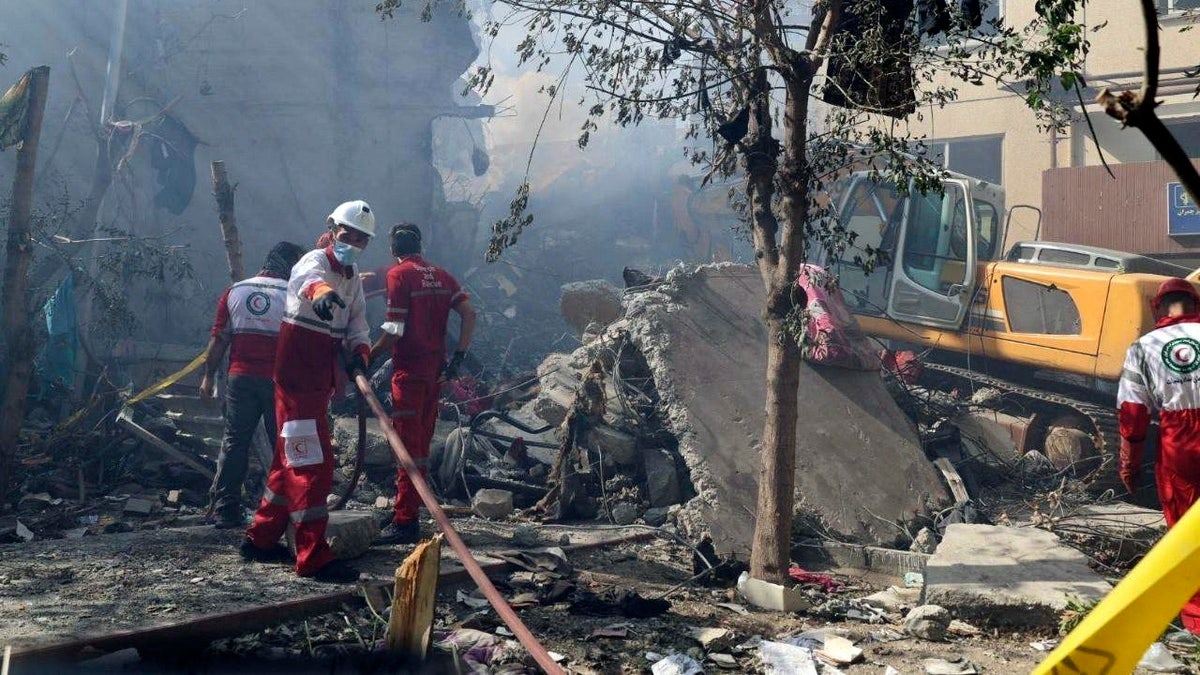
The timing of these strikes is particularly significant. They coincide with Trump’s ongoing diplomatic efforts to broker a ceasefire, raising questions about the effectiveness of international mediation in the face of entrenched conflict. While Trump has emphasized the importance of de-escalation, the continued violence suggests that achieving a lasting resolution remains a daunting challenge.
Who Is Involved: Key Players and Their Stakes
The conflict involves multiple stakeholders, each with distinct interests and motivations. Israel, a key U.S. Ally, views Hezbollah as a direct threat to its security. The group, which has been designated as a terrorist organization by several countries, has long been engaged in a proxy war with Israel, often using cross-border attacks to challenge Israeli sovereignty.
Hezbollah’s actions are closely tied to its patron, Iran, which has provided military and financial support to the group for decades. The involvement of Iran complicates the situation, as it introduces a broader regional dimension to the conflict. Meanwhile, the United States, under Trump’s administration, has sought to balance its support for Israel with efforts to prevent the conflict from spiraling into a larger war.
Regional actors such as Lebanon’s government and international organizations like the United Nations have also been drawn into the fray. The Lebanese government, which has historically struggled to assert control over its southern border, faces mounting pressure to address the security vacuum created by Hezbollah’s activities.
Context and Background: A History of Conflict and Diplomacy
The Israel-Hezbollah conflict has its roots in the 1980s, when Hezbollah emerged as a resistance group opposing Israeli occupation of southern Lebanon. The group’s 2006 war with Israel, which lasted 34 days, left thousands dead and devastated infrastructure, underscoring the destructive potential of the conflict. Since then, sporadic clashes have continued, with both sides accusing each other of violating ceasefires.
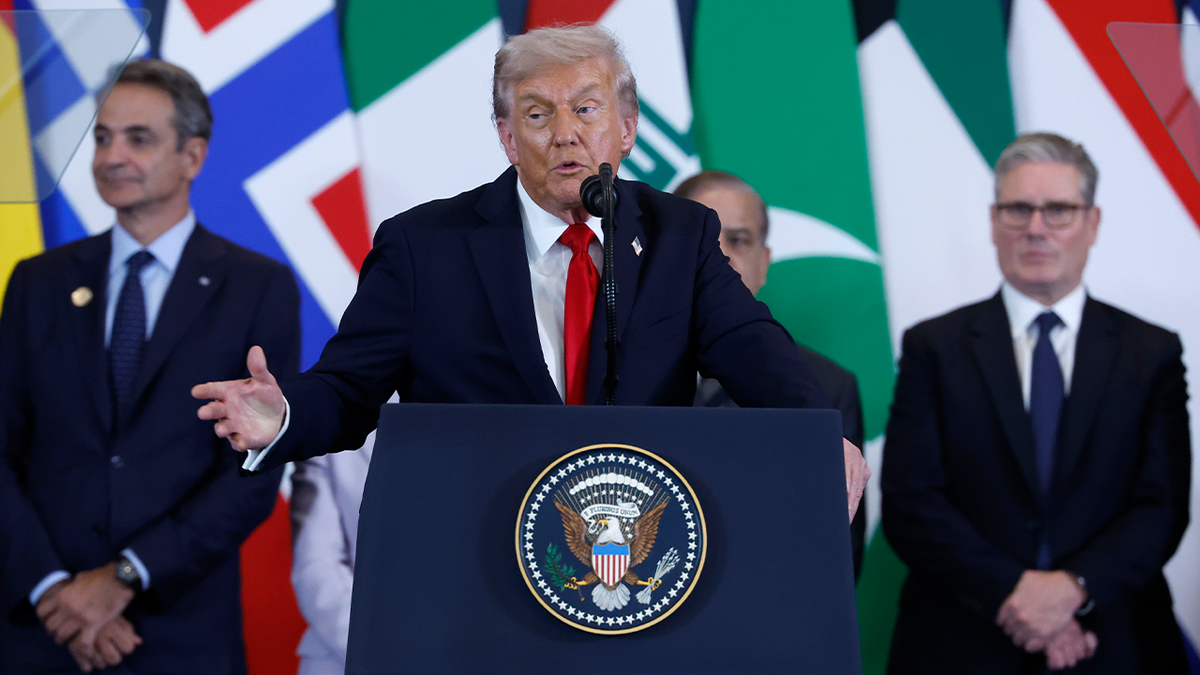
Trump’s involvement in the region has been marked by a focus on strengthening U.S.
