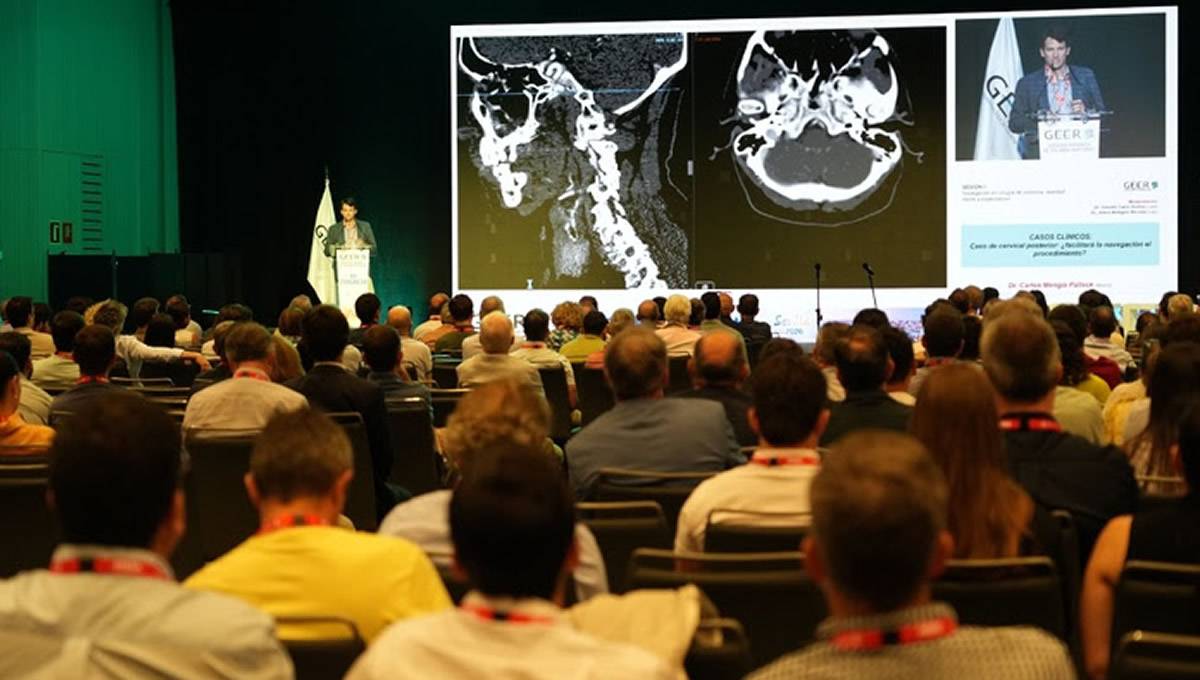
Healthcare professionals in Spain have proposed a new urgent care model for treating traumatic spinal cord injuries, drawing inspiration from the structure and efficiency of the country’s national trauma network (ONT). The initiative aims to streamline emergency response protocols and improve patient outcomes by integrating specialized care pathways, according to recent discussions among medical experts.
The proposed framework emphasizes rapid triage, standardized treatment guidelines and enhanced coordination between emergency services and rehabilitation centers. Advocates argue that adopting a centralized approach—similar to how the ONT manages critical cases—could reduce delays in diagnosis and intervention, which are critical in minimizing long-term disability following spinal cord trauma.
What the Proposal Entails
While details of the model remain under development, initial plans highlight three key components: immediate access to neurosurgical teams, real-time data sharing among healthcare providers, and structured follow-up care for patients. The goal is to ensure that individuals with spinal cord injuries receive consistent, evidence-based treatment from the moment of injury through recovery phases.
Experts note that the ONT’s success in managing other high-acuity conditions, such as severe trauma or strokes, provides a blueprint for adapting similar strategies to spinal cord injuries. This includes leveraging regional medical hubs to handle complex cases and reducing reliance on decentralized, variable-quality care.
Context and Challenges
Spinal cord injuries often result in permanent physical impairments, with outcomes heavily influenced by the speed and quality of early intervention. Current care models vary widely, leading to disparities in treatment efficacy. The new proposal seeks to address these gaps by creating a unified system that prioritizes timeliness, and expertise.
However, implementing such a model would require significant coordination across healthcare institutions, as well as investment in training and infrastructure. Critics caution that while the concept shows promise, its feasibility depends on overcoming bureaucratic and resource-related hurdles.
What’s Next
The research team behind the initiative plans to publish a detailed analysis of the model’s potential impact in the coming months. Further discussions with policymakers and medical stakeholders are expected to shape the next steps. For now, the proposal underscores the growing call for systemic reforms to better address the needs of patients with spinal cord injuries.
