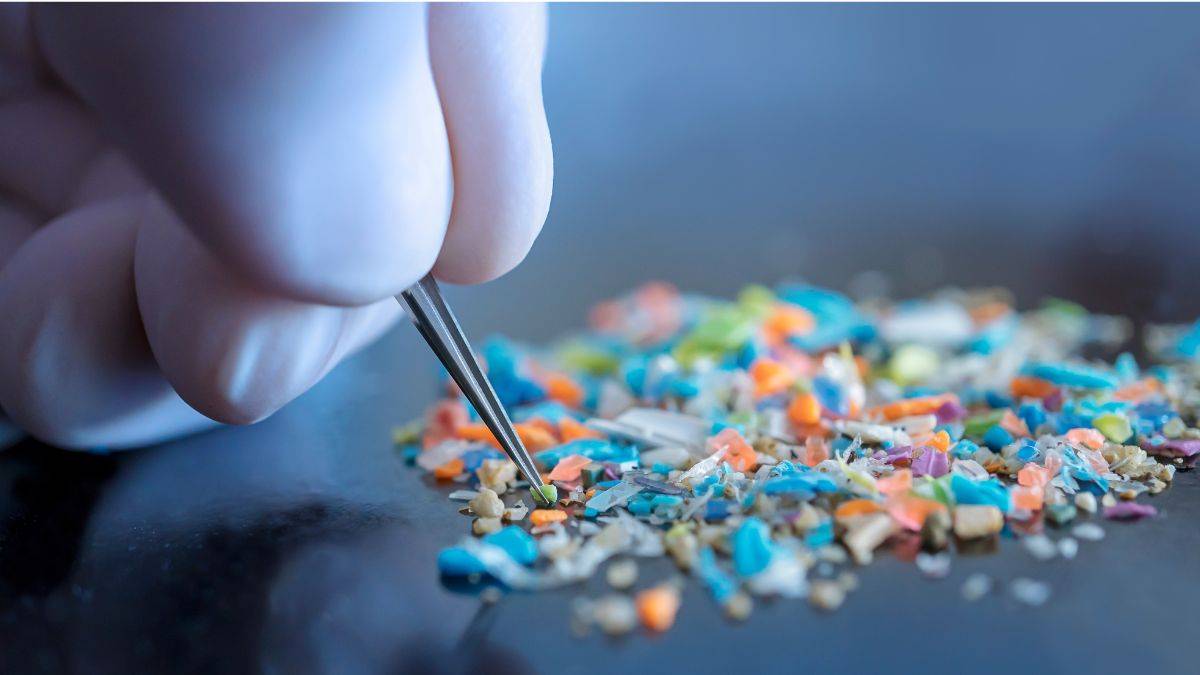
Physical exercise mitigates the negative health impacts of nanoplastic exposure by boosting the body’s antioxidant systems and reducing inflammation, according to research reported by health authorities. These microscopic particles, which can penetrate deep into tissues, typically trigger oxidative stress that regular physical activity helps neutralize.
How nanoplastics damage human cells
Nanoplastics are plastic particles smaller than 1 micrometer in diameter. Due to their size, these particles can cross biological barriers and enter cells, organs, and the bloodstream. According to the research, the primary mechanism of damage is the induction of oxidative stress.
Oxidative stress occurs when there is an imbalance between the production of free radicals—unstable molecules that can damage cells—and the body’s ability to neutralize them with antioxidants. When nanoplastics enter the system, they trigger an inflammatory response and increase the production of these free radicals, which can lead to cellular dysfunction and tissue damage over time.
Why physical activity counters plastic-induced stress
Regular physical exercise acts as a biological countermeasure to the damage caused by these particles. According to the study authors, exercise stimulates the body to produce higher levels of its own antioxidant enzymes.
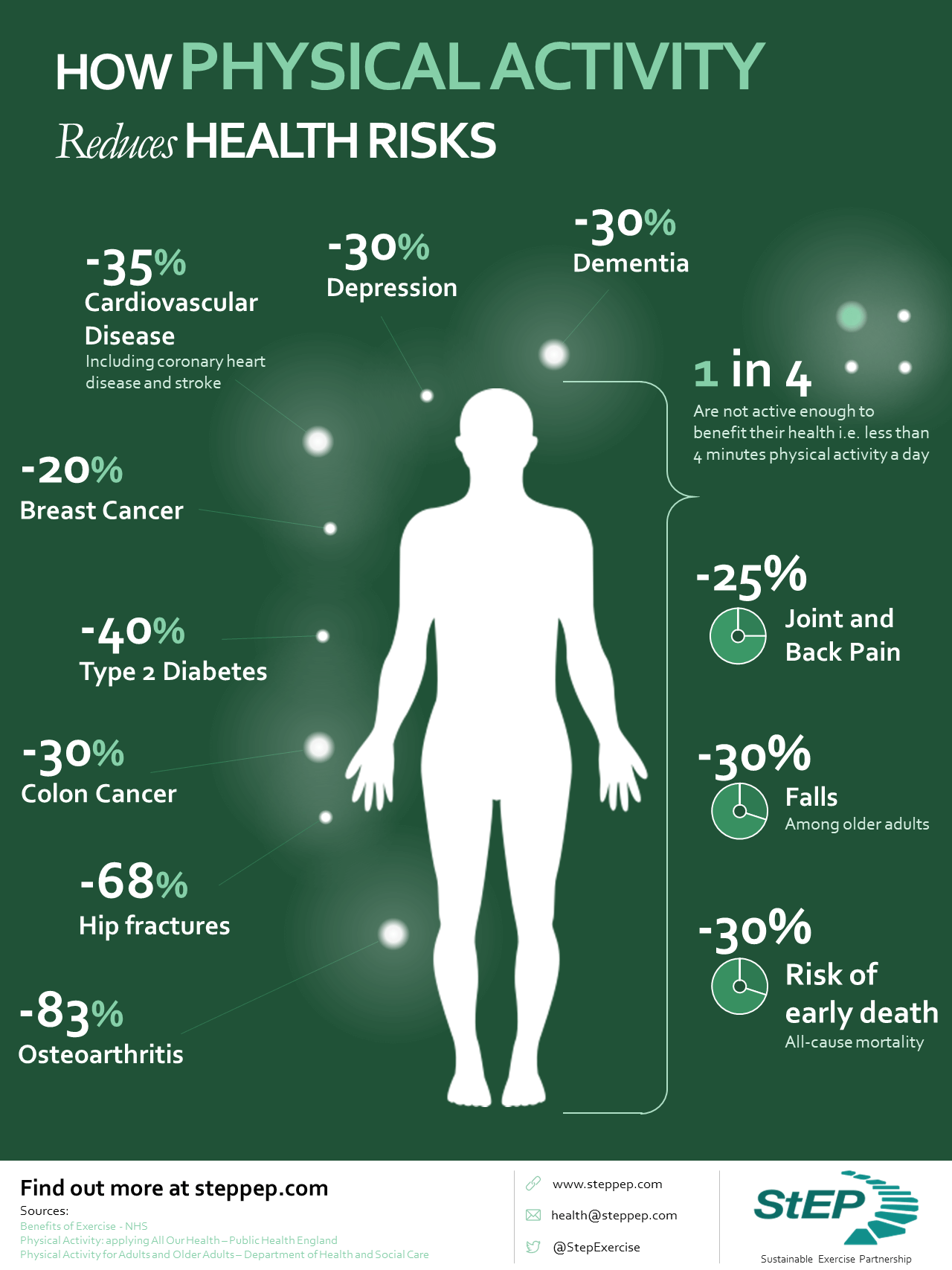
This internal defense mechanism works in two primary ways:
- Neutralizing free radicals: Increased antioxidant capacity allows the body to more effectively clear the oxidative waste generated by nanoplastic exposure.
- Reducing inflammation: Physical activity helps modulate the inflammatory response, preventing the chronic inflammation that often follows the infiltration of foreign micro- and nanoplastics into tissues.
Limitations of the protective effect
While exercise provides a protective layer against the effects of nanoplastics, it does not remove the particles from the body. The research indicates that physical activity manages the biological consequences—such as inflammation and oxidative stress—rather than eliminating the physical presence of the plastics themselves.
The research highlights that while exercise is a powerful tool for resilience, the most effective way to prevent cellular damage remains the reduction of overall exposure to plastic pollutants in the environment and diet.
