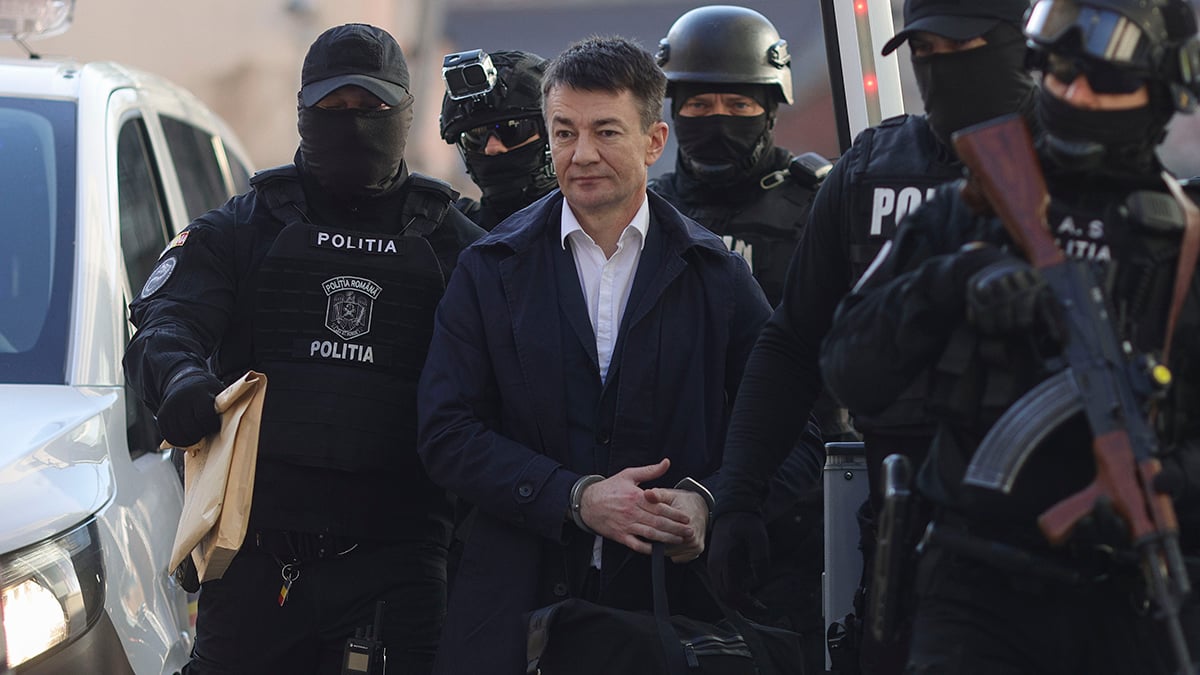
A former Moldovan intelligence chief’s dramatic reversal on leaked secrets has sent shockwaves through Eastern Europe’s security circles—but the story also carries unexpected cultural weight, revealing how espionage narratives seep into the public imagination in ways far beyond spy thrillers.
The case centers on Alexandru Bălan, a high-ranking official in Moldova’s intelligence services, who initially admitted to selling classified documents to Belarusian agents before abruptly retracting his confession. According to local media reports, Bălan’s shifting statements have exposed deep cracks in Moldova’s national security apparatus, while also raising questions about how such scandals are framed—and why they captivate audiences far beyond the halls of power.
From Confession to Silence: The Unraveling of a Spy’s Story
Bălan’s initial admission—made in a public statement—claimed responsibility for selling sensitive files from both Moldova’s State Intelligence and Security Service (SRI) and the Information and Security Service (SIE) to Belarusian operatives. The documents were allegedly passed in exchange for financial gain, a betrayal that would have compromised critical state secrets. Yet within days, Bălan recanted, insisting he had been coerced into the confession under duress.
The back-and-forth has left security analysts scrambling to assess the damage, while the public remains fixated on the spectacle of a man caught between loyalty and survival. The story’s twists mirror the plotlines of Cold War-era espionage films, where truth is often the first casualty—and where the line between hero and traitor blurs under pressure.
Why This Spy Drama Matters Beyond the Classified Files
While the immediate fallout involves national security, the broader cultural impact lies in how such scandals are consumed. In an era where intelligence leaks and geopolitical intrigue dominate headlines, stories like Bălan’s become fodder for documentaries, fiction, and even conspiracy theories. The public’s fascination with spies—whether real or fictional—stems from a universal curiosity about power, secrecy, and the moral compromises that come with both.
Consider the parallels to recent entertainment trends: the resurgence of spy-themed series like Slow Horses and The Spy, or the enduring popularity of books like The Spy Who Came in from the Cold. These narratives thrive on the tension between duty and deception, much like Bălan’s case. The difference here is that the drama is unfolding in real time, with no scriptwriters to tidy up the loose ends.
A Spy’s Dilemma: Loyalty, Pressure, and the Cost of Truth
The question of whether Bălan acted alone or was manipulated by external forces remains unanswered. What is clear, however, is that his story has become a cautionary tale about the fragility of trust—both in institutions and in the individuals who serve them. For audiences, it’s a reminder that the line between fact and fiction in espionage is often thinner than we think.
As investigations continue, one thing is certain: this isn’t just another leak. It’s a story that will be dissected, debated, and—inevitably—reimagined in the years to come, much like the spy sagas that have shaped our understanding of power, betrayal, and the shadows where truth disappears.
