
Portugal’s regulated natural gas market is set for a 6.4% price increase starting October 1, 2026, marking the latest adjustment in a sector where energy costs remain tightly linked to infrastructure, regulatory oversight, and global supply pressures.
Why the price hike matters for consumers and businesses
The increase applies to households and small businesses in the regulated market, where pricing is controlled by the Portuguese Energy Services Regulatory Authority (ERSE). Unlike the liberalized market—where commercial offers can vary widely—the regulated segment ensures uniform pricing across consumers, with costs broken down into components like network access fees, system usage charges, and distribution tariffs.
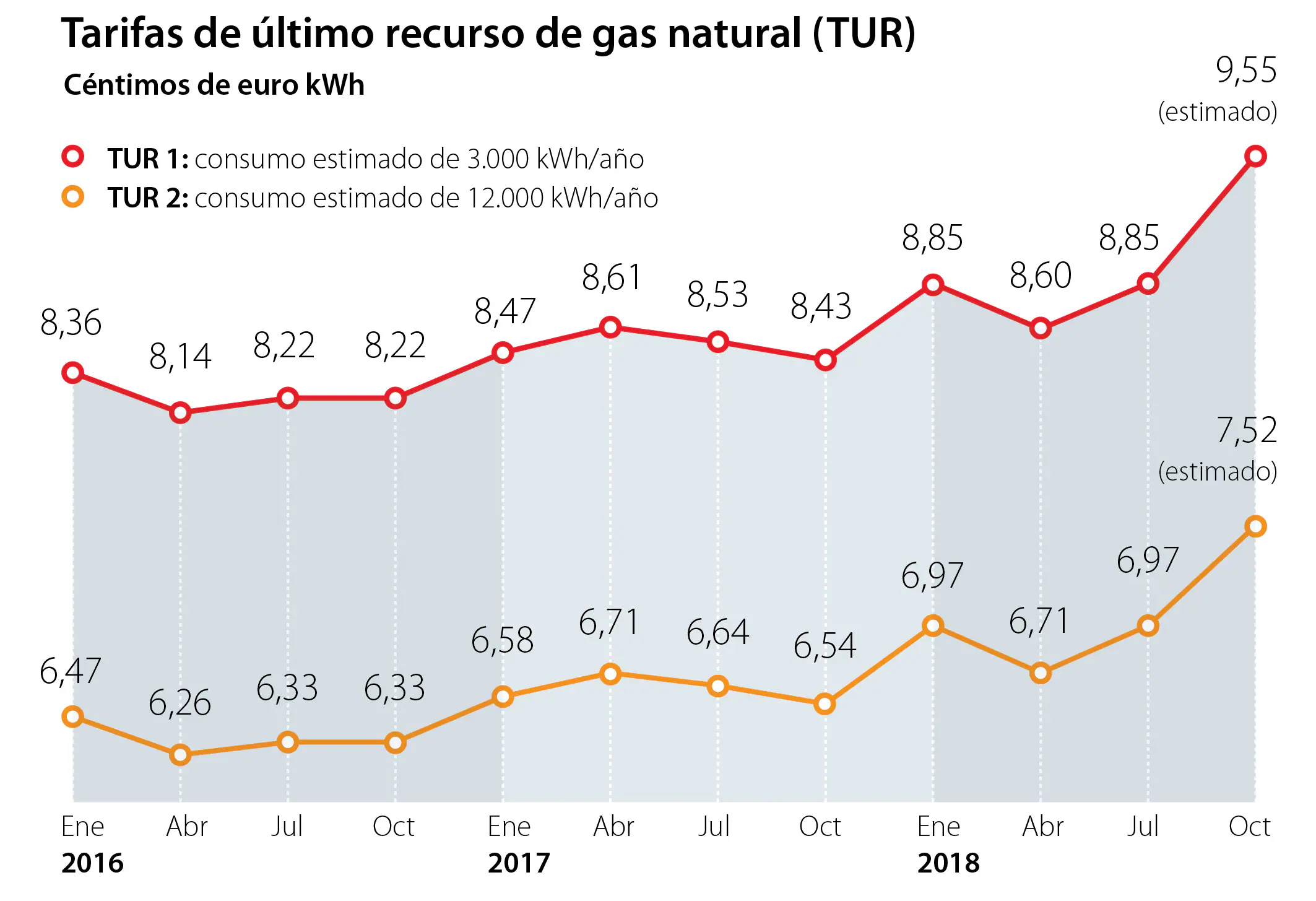
For consumers, the 6.4% rise translates directly to higher monthly bills. While the exact impact depends on individual consumption, ERSE’s pricing model ensures transparency: the Tarifa de Acesso às Redes (Network Access Tariff) remains the largest fixed cost, covering shared infrastructure expenses for all users, whether in regulated or liberalized markets. The authority’s latest adjustments reflect updated costs for transportation and distribution networks, which ERSE sets annually.
How pricing works—and who pays what
The regulated gas market operates under a three-tiered cost structure:
- Uso Global do Sistema: Covers national grid operations and balancing services.
- Uso da Rede de Transporte: Funds high-pressure pipeline infrastructure.
- Uso da Rede de Distribuição: Supports local distribution networks.
These fees are non-negotiable for regulated consumers but can be offset by switching to the liberalized market, where suppliers compete on price. However, the liberalized sector’s volatility—seen in recent fluctuations for non-domestic consumers (ranging from 0.03 to 0.15 cents per kWh in prior adjustments)—may deter price-sensitive users from making the switch.
Regulatory context: ERSE’s role in balancing costs and competition
ERSE’s mandate extends beyond pricing: it also monitors market fairness, enforces REMIT (Regulation on Wholesale Energy Market Integrity), and investigates energy theft or unfair practices. The authority’s public consultations and fiscalization actions ensure transparency, though critics argue the regulated market’s rigidity can stifle innovation in pricing models.

For businesses, the hike introduces a new variable cost at a time when energy efficiency and alternative fuels (like biogas or hydrogen) are gaining traction. ERSE’s simulador de preços de energia tool allows consumers to compare offers, but the tool’s effectiveness hinges on market participation—something liberalized suppliers must actively promote.
What’s next for gas pricing in Portugal
ERSE has not announced further adjustments beyond October 2026, but the authority’s 7th Efficiency Plan (PPEC) includes measures to modernize infrastructure and reduce costs long-term. Whether these initiatives will offset upcoming price hikes remains unclear, though ERSE’s focus on smart grids and renewable integration suggests a shift toward sustainability-driven pricing.
For now, consumers face a trade-off: stick with the regulated market for stability or explore liberalized options despite their unpredictability. The choice depends on risk tolerance—and how quickly ERSE can align pricing with Portugal’s broader energy transition goals.
