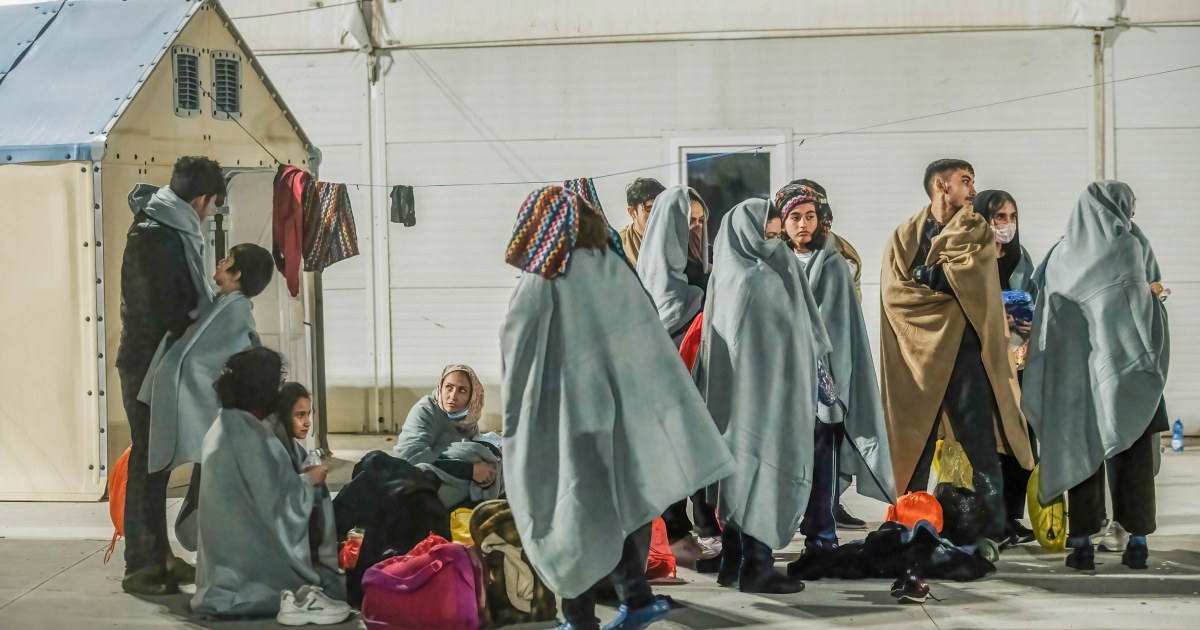
Afghan Taliban Hold First, Closed-door Talks with E.U. on Deportations – NBC News
European Union officials recently conducted closed-door meetings in Brussels with representatives of the Afghan Taliban to negotiate the deportation of Afghan nationals, according to reports from NBC News and Euronews. These discussions aim to establish a framework for the accelerated return of migrants, a move that has drawn sharp condemnation from human rights organizations and international observers.
What happened during the EU-Taliban meetings in Brussels?
EU officials held discreet, non-public negotiations with Taliban representatives on European soil to discuss migration and readmission agreements. According to NBC News, these talks represent the first formal, closed-door sessions specifically focused on the deportation of Afghan citizens back to their home country. The meetings took place in Brussels, the administrative heart of the European Union.
The primary objective of these talks, as reported by Euronews, is to “speed up” the process of deporting Afghans who do not have legal residency status within the EU. Because the EU does not officially recognize the Taliban as the legitimate government of Afghanistan, these interactions have been kept low-profile to avoid the appearance of formal diplomatic recognition.
Key elements of the discussions included:
- Readmission Protocols: Establishing the legal and logistical mechanisms by which the Taliban government would accept deported individuals.
- Verification Processes: Discussing how the identity and nationality of deportees can be verified by a regime that lacks international diplomatic standing.
- Logistical Coordination: Planning the transport and handover of individuals from EU territories to Afghan authorities.
The secrecy surrounding these talks has been a focal point of criticism. Al Jazeera reported that the meetings were held “discreetly,” suggesting an effort by EU leadership to bypass public scrutiny and legislative debate regarding the ethics of collaborating with the Taliban on migration control.
Why is the EU pursuing deportation agreements with the Taliban?
The drive to secure readmission agreements stems from a broader European political push to tighten migration controls and reduce the number of asylum seekers. EU member states have faced increasing domestic pressure to deport individuals whose asylum claims have been rejected but who cannot be returned because their home countries refuse to accept them.
Afghanistan remains one of the most difficult countries for deportations due to the collapse of the previous government in August 2021 and the subsequent takeover by the Taliban. Without a readmission agreement, EU states have few legal avenues to force the return of Afghan nationals. According to reports from Al Jazeera, the EU views a deal with the Taliban as the only pragmatic way to resolve the backlog of undocumented Afghan migrants.

The EU’s strategy reflects a shift toward “migration management” over humanitarian protections. By negotiating directly with the de facto authorities in Kabul, the EU hopes to create a streamlined pipeline for removals, thereby signaling to potential migrants that asylum claims from Afghanistan are less likely to result in permanent residency in Europe.
| EU Objective | Taliban Potential Interest | Primary Conflict Point |
|---|---|---|
| Accelerated deportation of undocumented migrants. | International legitimacy and potential economic aid. | Human rights protections vs. border security. |
| Reduction in irregular migration numbers. | Control over the return of its citizens. | Lack of formal diplomatic recognition. |
| Legal certainty for readmission. | Pressure to manage internal population growth. | Risk of torture or persecution upon return. |
What are the human rights concerns regarding these talks?
The prospect of deporting individuals to a Taliban-controlled Afghanistan has triggered an immediate backlash from human rights advocates. Amnesty International has been among the most vocal critics, stating explicitly that the EU must “abandon Afghanistan deportation plans” and cease all readmission talks with the Taliban.
The core of the concern lies in the principle of non-refoulement—a fundamental tenet of international law that forbids a country from returning asylum seekers to a place where they would face a clear risk of persecution, torture, or other serious harm. Amnesty International argues that the current environment in Afghanistan makes it impossible to guarantee the safety of returnees.
“EU must abandon Afghanistan deportation plans and stop readmission talks with the Taliban,” according to a statement from Amnesty International.
Critics point to several specific risks that deportees would face upon return:
- Political Persecution: Individuals who worked with the previous Afghan government or Western NGOs are at high risk of detention and torture.
- Gender-Based Violence: Women and girls face systemic erasure from public life, including bans on education and employment, making their return particularly hazardous.
- Lack of Due Process: The Taliban’s judicial system does not adhere to international standards of fair trial or human rights.
The Guardian reported that the EU faces “fierce criticism” for its willingness to host Taliban officials in Brussels. The report suggests that by engaging in these talks, the EU is effectively rewarding the Taliban for its restrictive domestic policies, providing the regime with a veneer of international acceptance without requiring any concessions on human rights.
How does this fit into the broader EU-Taliban relationship?
Since the fall of Kabul in 2021, the EU has maintained a complex, contradictory relationship with the Taliban. While the EU provides significant humanitarian aid to prevent a total collapse of the Afghan state and a subsequent mass exodus of refugees, it has stopped short of granting the Taliban official diplomatic recognition.
This “engagement without recognition” strategy allows the EU to maintain a presence in Afghanistan to monitor human rights and distribute food and medicine. However, the shift toward deportation talks marks a transition from humanitarian engagement to transactional diplomacy. In this new phase, the EU is treating the Taliban as a functional partner in border security.
This shift is not without internal friction within the EU. Some member states prioritize the humanitarian risks and the legal obligations of the European Convention on Human Rights. Others, driven by right-wing political pressures, view the removal of irregular migrants as a top priority that outweighs the risks of engaging with the Taliban.
Related explainer on international non-refoulement laws provides further context on why these deportations are legally contested.
Comparing the media framing of the Brussels talks
Different news outlets have highlighted different aspects of this story, reflecting the tension between security and human rights. A comparison of the reporting reveals distinct angles:
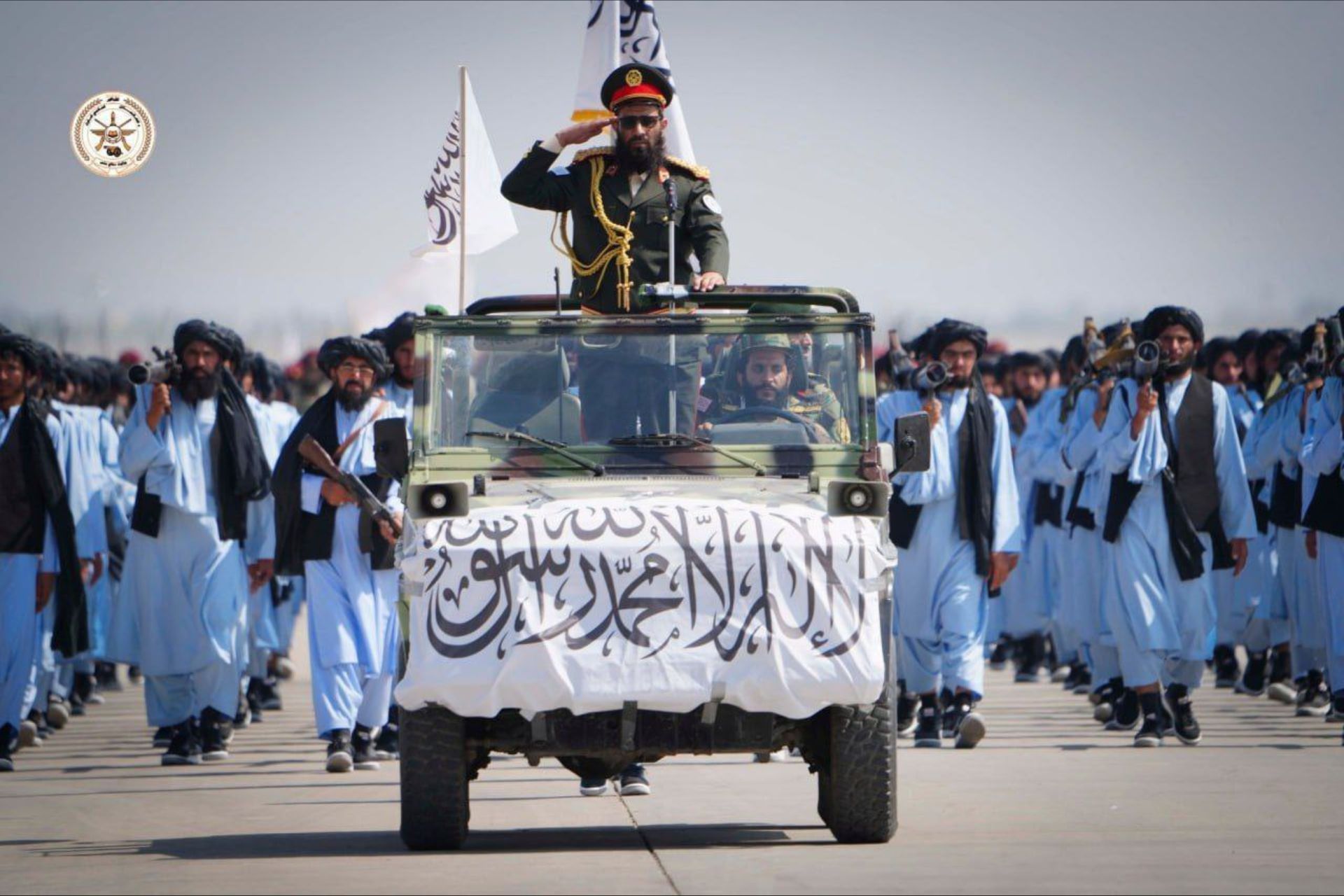
- NBC News and Euronews: These outlets focused on the mechanics of the event—the fact that the talks were “closed-door” and “discreet,” emphasizing the clandestine nature of the diplomacy.
- The Guardian: This reporting emphasized the optics and ethics, focusing on the “fierce criticism” and the controversy of hosting Taliban officials in Brussels.
- Al Jazeera: This coverage highlighted the strategic intent, framing the meetings as a calculated move by the EU to speed up migration removals.
- Amnesty International: Rather than reporting the news, this organization framed the event as a human rights violation in the making, calling for an immediate cessation of talks.
While the factual core—that meetings occurred in Brussels regarding deportations—is consistent across all sources, the framing varies from a “diplomatic necessity” to a “moral failure.”
What are the potential consequences of a readmission deal?
If the EU and the Taliban reach a formal agreement, the consequences would be felt across legal, political, and humanitarian spectrums.
Legal Precedents
A deal could set a precedent for how the EU handles “pariah states.” If the EU successfully negotiates deportations with a regime it does not recognize, it may apply similar tactics to other non-recognized governments, potentially prioritizing migration control over the promotion of democratic values.
Humanitarian Impact
The most immediate consequence would be the physical return of hundreds or thousands of Afghans. Given the current state of Afghanistan, human rights groups warn this could lead to a spike in arbitrary detentions. There is no evidence that the Taliban would honor any “safety guarantees” the EU might attempt to negotiate, as the regime’s internal security apparatus operates without external oversight.
Political Fallout
Within the EU, such a deal could ignite legal challenges in the European Court of Human Rights (ECHR). Individual migrants could sue their respective governments, arguing that their deportation violates the European Convention on Human Rights. This could lead to a protracted legal battle between national migration agencies and human rights courts.
Furthermore, the act of hosting the Taliban in Brussels may alienate other international partners who are insisting on a harder line against the regime until women’s rights are restored in Afghanistan.
Common misconceptions about EU-Taliban deportations
There are several misunderstandings regarding the nature of these talks and the legality of the proposed deportations.
Misconception 1: The EU has officially recognized the Taliban government.
This is incorrect. According to all reported sources, the talks are “closed-door” and “discreet” specifically because the EU has not granted formal recognition. The EU is engaging with the Taliban as a de facto power, not a legitimate sovereign government.
Misconception 2: All Afghans in the EU are being targeted for deportation.
The talks focus on “undocumented” migrants and those whose asylum claims have been denied. Those with legal residency, refugee status, or protected visas are not the primary target of these readmission negotiations.
Misconception 3: The Taliban is eager to take everyone back.
While the Taliban may seek the return of its citizens, they are often selective. They may be more interested in the return of those they perceive as loyalists or, conversely, those they wish to punish, while potentially rejecting those who would place a burden on Afghanistan’s collapsing economy.
Frequently Asked Questions
Why were the talks between the EU and Taliban held in secret?
According to reports from NBC News and Euronews, the meetings were closed-door to avoid the perception that the EU is granting formal diplomatic recognition to the Taliban. Publicly hosting the regime would likely trigger significant political backlash within EU member states and from international human rights organizations.

What is the EU’s main goal in these negotiations?
The primary goal is to establish a readmission agreement that allows the EU to speed up the deportation of Afghan nationals who do not have legal residency or whose asylum applications have been rejected.
What does Amnesty International say about these plans?
Amnesty International has urged the EU to completely abandon its deportation plans and stop all readmission talks, citing the extreme risk of torture, persecution, and human rights abuses that returnees would face under Taliban rule.
Is it legal for the EU to deport people to Afghanistan?
Under international law, specifically the principle of non-refoulement, it is illegal to return a person to a country where they face a real risk of serious harm. Whether these specific deportations would be legal depends on whether the EU can prove that the individuals are not at risk, a claim that human rights groups argue is impossible to verify in current Afghanistan.
Where did these meetings take place?
The meetings were held in Brussels, Belgium, which serves as the administrative center for the European Union.
As the EU continues to balance its internal migration pressures with its external human rights commitments, the outcome of these discreet negotiations will likely serve as a litmus test for the bloc’s foreign policy priorities. The tension between the desire for “efficient” border management and the legal obligation to protect refugees remains the central conflict of this diplomatic effort.
