Rubio Rejects Iran Tolls on Hormuz as Deal Strains Multiply
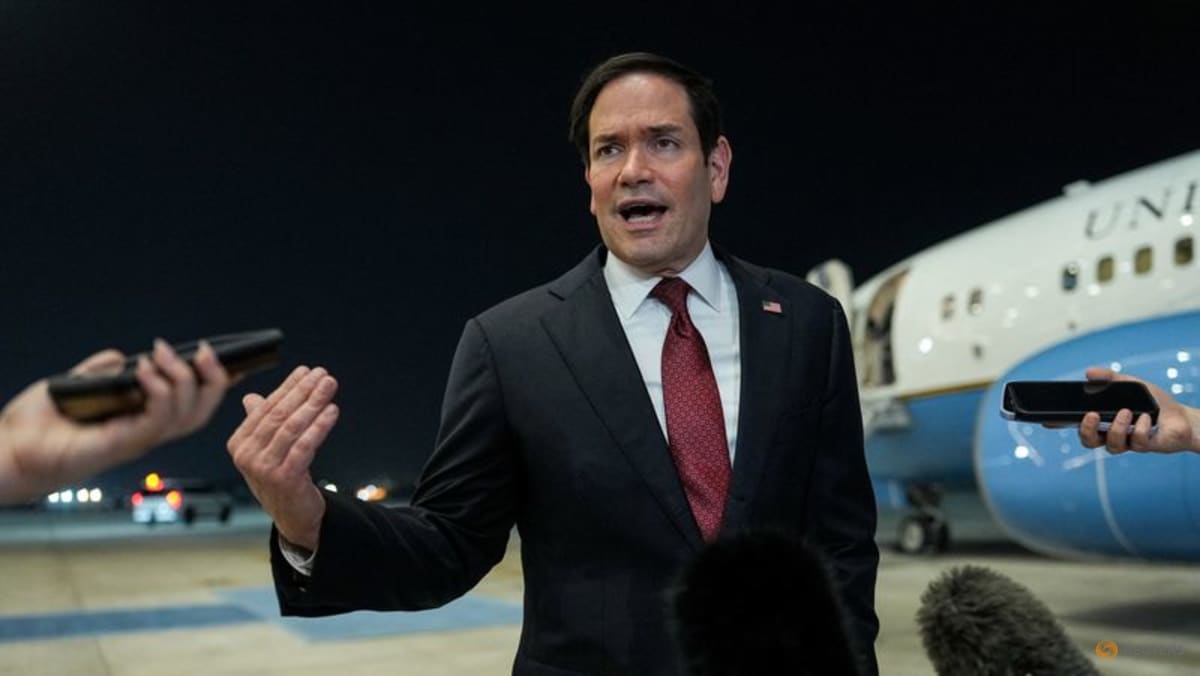
Marco Rubio stated upon his arrival in the Gulf that the United States will not accept Iranian tolls on the Strait of Hormuz, according to reports from CNA, The Straits Times, and The Guardian. This diplomatic stance coincides with warnings from Donald Trump, who told The Times of Israel that he will “do what I have to do” to prevent Iran from obtaining a nuclear weapon if the country does not abide by its deals.
Why does Marco Rubio oppose Iranian tolls on the Strait of Hormuz?
Marco Rubio insists that the Strait of Hormuz must remain toll-free to ensure the uninterrupted flow of global commerce. Upon arriving for meetings in the Gulf, Rubio explicitly rejected any notion of Iran imposing fees or tolls on vessels transiting the narrow waterway, according to reports from The Guardian and The Straits Times. The U.S. position views the strait as an international waterway where freedom of navigation is paramount.
The Strait of Hormuz serves as the world’s most critical oil chokepoint. Because a significant portion of the world’s liquefied natural gas (LNG) and crude oil passes through this corridor, any attempt by Iran to monetize access through tolls would likely trigger immediate international backlash and economic volatility. Rubio’s insistence on a toll-free strait signals a hardline approach to maritime security and a refusal to grant Iran financial or political leverage over global energy shipments.
Key points regarding the U.S. position on the strait include:
- Freedom of Navigation: The U.S. maintains that international law guarantees the right of transit passage through the strait.
- Economic Stability: Preventing tolls is viewed as a necessity to avoid artificial spikes in global energy prices.
- Strategic Deterrence: By rejecting tolls early, the U.S. aims to deter Iran from using the waterway as a tool for diplomatic extortion.
What is Donald Trump’s stance on the Iran nuclear deal?
Donald Trump has linked the prevention of Iranian nuclear proliferation to strict adherence to existing or future agreements. Speaking to The Times of Israel, Trump stated that if Iran does not abide by its deal, he is prepared to take whatever actions are necessary to ensure the country does not develop a nuclear weapon. This “do what I have to do” approach suggests a willingness to employ a range of options, from increased economic sanctions to direct military intervention.
The tension stems from a long-standing dispute over whether Iran has adhered to the limits on uranium enrichment and the monitoring requirements of previous nuclear frameworks. Trump’s rhetoric emphasizes a zero-tolerance policy toward nuclear breakout capabilities, framing the issue as a non-negotiable security requirement for the region and the West.
While the threat of action is prominent, Trump also indicated a path toward stability. According to The Tribune, Trump noted that “Irans respect” is a fundamental requirement for sustaining peace and resolving ongoing conflicts. This suggests that while the U.S. is prepared for escalation, it views mutual respect and compliance as the primary mechanisms for avoiding war.
How does the “respect” requirement influence U.S.-Iran diplomacy?
The concept of “respect,” as cited by Donald Trump in The Tribune, serves as a diplomatic benchmark for future negotiations. In this context, respect is not a social courtesy but a geopolitical requirement involving the cessation of proxy activities, adherence to nuclear limits, and the cessation of threats against international shipping lanes.

The U.S. administration’s current strategy appears to be a “maximum pressure” hybrid. By combining Rubio’s firm rejection of maritime tolls with Trump’s warnings about nuclear capabilities, the U.S. is attempting to create a high-cost environment for Iranian non-compliance. The goal is to force Iran into a position where the cost of defying U.S. demands—whether in the Strait of Hormuz or in nuclear labs—outweighs the benefits of defiance.
This approach contrasts with previous diplomatic efforts that focused on incremental concessions. The current framing emphasizes that peace is contingent upon Iran’s willingness to respect international norms and U.S. security interests.
The Strategic Importance of the Strait of Hormuz
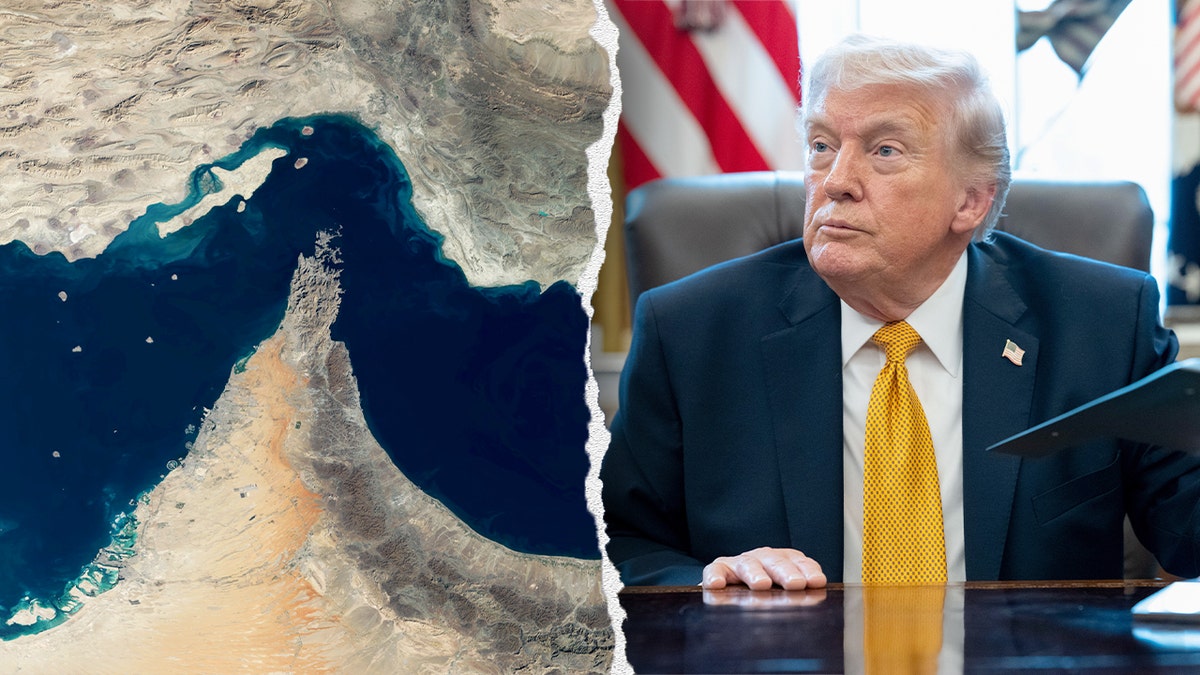
To understand why Rubio’s rejection of tolls is significant, one must look at the geography and economics of the region. The Strait of Hormuz is a narrow waterway connecting the Persian Gulf with the Gulf of Oman and the Arabian Sea. At its narrowest point, the shipping lanes are only two miles wide in each direction.
The majority of oil from Saudi Arabia, Iraq, the UAE, Kuwait, and Iran must pass through this strait to reach global markets. Any disruption—whether through physical blockades, military harassment, or the imposition of tolls—creates an immediate risk to the global economy.
| Factor | Impact of Iranian Tolls/Blockade | U.S. Strategic Objective |
|---|---|---|
| Oil Prices | Rapid increase due to risk premiums. | Maintain price stability via open access. |
| Shipping Costs | Increased insurance and transit fees. | Keep transit costs predictable and low. |
| Regional Power | Iran gains leverage over Gulf neighbors. | Prevent Iranian hegemony in the Gulf. |
| Maritime Law | Challenge to “transit passage” norms. | Uphold international freedom of navigation. |
The U.S. Navy’s Fifth Fleet, based in Bahrain, is the primary instrument for ensuring these lanes remain open. Rubio’s comments reinforce the military’s mission to prevent any unilateral attempt by Iran to regulate or tax the passage of ships.
Timeline of U.S.-Iran Friction Points
The current tensions are not isolated incidents but part of a broader pattern of escalation and negotiation. The following timeline outlines the key themes driving the current rhetoric from Rubio and Trump.
- Nuclear Deal Disputes: Long-term friction over the Joint Comprehensive Plan of Action (JCPOA) and subsequent U.S. withdrawals and sanctions.
- Maritime Incidents: Periodic seizures of tankers and drone strikes in the Gulf, leading to the U.S. increasing its naval presence.
- Nuclear Breakout Concerns: Reports of increased uranium enrichment levels, prompting Trump’s warnings to The Times of Israel.
- Current Diplomatic Mission: Marco Rubio’s arrival in the Gulf to coordinate with allies and explicitly reject Iranian tolls on the Strait of Hormuz.
This sequence shows a transition from focusing solely on nuclear capabilities to addressing broader regional behaviors, including the weaponization of trade routes.
What are the potential consequences of these strained relations?
The convergence of Rubio’s maritime warnings and Trump’s nuclear threats creates several potential scenarios for the region. If Iran attempts to implement tolls or accelerate its nuclear program, the U.S. has signaled it will move beyond diplomatic protests.
Economic Implications
Should the U.S. and Iran enter a period of direct confrontation over the Strait of Hormuz, the most immediate effect would be on the energy market. Oil traders typically price in a “geopolitical risk premium” when tensions rise in the Gulf. An actual attempt to toll the strait would likely lead to a spike in Brent crude prices, affecting inflation rates globally.
Military Implications
A rejection of tolls is often a precursor to increased naval patrols. The U.S. may increase the frequency of “Freedom of Navigation Operations” (FONOPs) to demonstrate that it will not recognize Iranian claims of authority over the international shipping lanes. This increases the risk of accidental skirmishes between the U.S. Navy and the Islamic Revolutionary Guard Corps Navy (IRGCN).
Diplomatic Implications
Trump’s insistence on “respect” as a prerequisite for peace suggests that any new deal will be significantly more restrictive than previous ones. The U.S. is likely seeking a “Grand Bargain” that covers not only nuclear weapons but also ballistic missiles and regional proxy warfare. If Iran refuses these terms, the “do what I have to do” directive suggests a shift toward more aggressive containment or direct action.
For more on regional security, see a related explainer on Gulf security alliances.
Common Misconceptions About the Hormuz Dispute
There are several frequent oversimplifications regarding the struggle for control over the Strait of Hormuz and the U.S.-Iran nuclear standoff.
Misconception 1: The Strait is entirely within Iranian waters.
While Iran has a long coastline along the strait, the shipping lanes are designed to stay within the territorial waters of Oman or in international waters. The U.S. argues that under international law, ships have the right of “transit passage,” which cannot be hindered by coastal states for the purpose of collecting tolls.
Misconception 2: The nuclear deal is the only point of contention.
While the nuclear program is the most dangerous flashpoint, the Rubio-Trump approach shows that maritime access and regional “respect” (meaning the end of proxy conflicts) are now equally weighted priorities for the U.S. administration.
Misconception 3: Sanctions are the only tool available.
Trump’s statement to The Times of Israel—”I will do what I have to do”—explicitly moves the conversation beyond economic sanctions, signaling that military options are on the table to prevent a nuclear-armed Iran.
Frequently Asked Questions
What did Marco Rubio say about the Strait of Hormuz?
According to CNA, The Straits Times, and The Guardian, Marco Rubio stated upon his arrival in the Gulf that the United States will not accept the imposition of tolls by Iran on the Strait of Hormuz, insisting that the waterway must remain toll-free.
Why is the Strait of Hormuz so important?
The Strait of Hormuz is a critical global chokepoint through which a vast majority of the world’s exported oil and LNG passes. Any disruption or tolling of this route could lead to significant increases in global energy prices and economic instability.
What did Donald Trump warn Iran about?
Donald Trump told The Times of Israel that he would take necessary actions—stating he would “do what I have to do”—to prevent Iran from obtaining a nuclear weapon if the country fails to abide by its agreements.
What does Trump mean by “Irans respect”?
As reported by The Tribune, Trump indicated that respect from Iran is key to sustaining peace and resolving war. This likely refers to Iran adhering to international norms, nuclear limits, and ceasing destabilizing activities in the region.
How does the U.S. plan to keep the Strait of Hormuz open?
The U.S. utilizes its naval presence, specifically the Fifth Fleet, to conduct patrols and ensure freedom of navigation, while diplomats like Marco Rubio communicate the U.S. refusal to accept Iranian tolls or restrictions.
For further reading on maritime law, check out a related explainer on the Law of the Sea.
