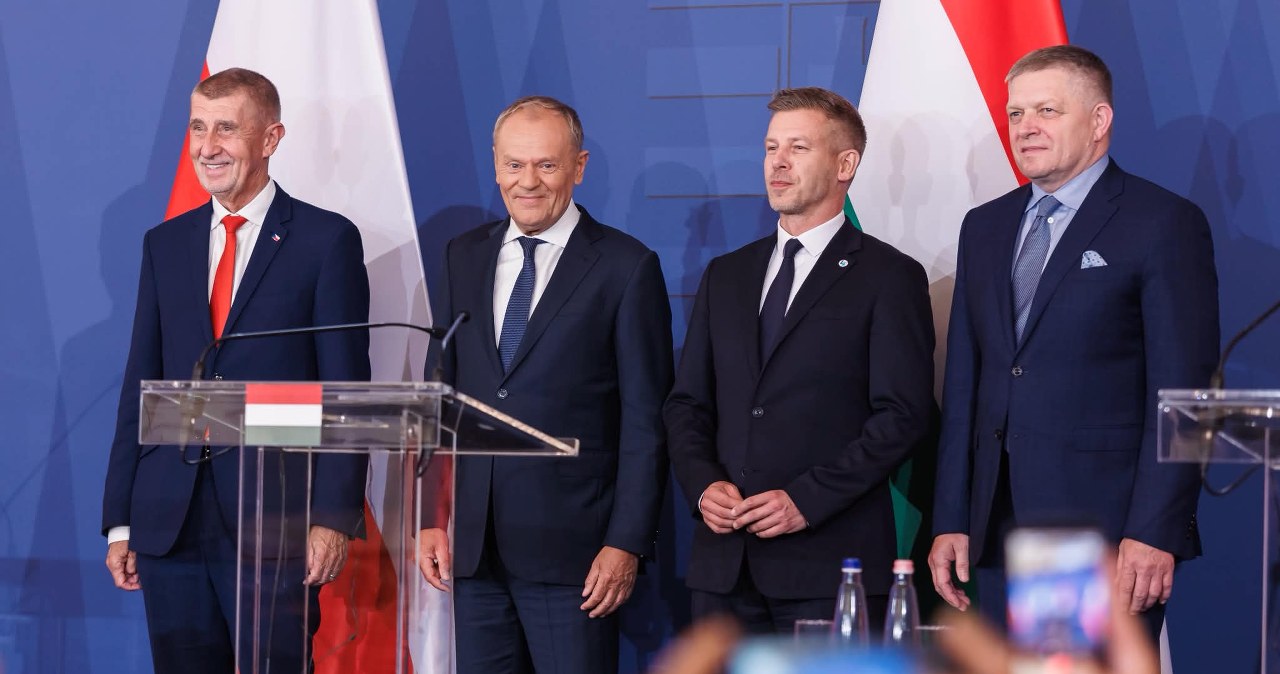
Polish Prime Minister Donald Tusk declared that the Visegrád Group (V4) is positioned to become one of the most significant powers in Europe during a summit hosted by Hungary. Tusk indicated the alliance is undergoing a “great revival” and noted that Hungarian Prime Minister Viktor Orbán has “changed diametrically.”
- Participants: Poland, Czech Republic, Slovakia, and Hungary.
- Host Nation: Hungary.
- Primary Goal: Restoring the V4’s ability to influence European Union policy.
How the V4 Aims to Influence Europe
Prime Minister Tusk stated that the four-nation alliance possesses the potential to “set the tone” within the European Union once again. According to public statements, Tusk views the current meeting as a catalyst for the group to function as one of the region’s largest powers, leveraging the combined political and economic weight of the member states.
The summit marks a return to collective diplomacy for the group, which includes Poland, the Czech Republic, Slovakia, and Hungary. Government reports indicate the focus is on a strategic rebirth of the alliance to ensure Central European interests are prioritized in broader EU decision-making processes.
Shift in Relations With Viktor Orbán
A central point of the summit involves the evolving relationship between Warsaw and Budapest. Tusk specifically addressed the current state of his counterpart, claiming that the Hungarian leader has undergone a fundamental shift in approach.

Viktor Orbán has changed diametrically.
Donald Tusk
This observation comes as the four leaders convene at one table in Hungary, signaling a departure from previous periods of diplomatic friction between the Polish and Hungarian governments.
Regional Significance of the Summit
The Visegrád Group, established to foster cooperation among Central European nations, has historically fluctuated in its cohesion. According to local media reports, the presence of all four leaders in Hungary underscores an effort to synchronize regional policy. By coordinating their positions, the member states aim to increase their leverage in Brussels and maintain stability in a volatile geopolitical environment.
