
Utah Jazz Select Darryn Peterson With the Second Overall Pick in the 2026 NBA Draft
The Utah Jazz selected Darryn Peterson with the second overall pick in the 2026 NBA Draft, according to NBA.com. The selection secures a high-ceiling wing for the Salt Lake City franchise, ending a period of intense speculation regarding whether the team would prioritize Peterson or the legacy-driven appeal of Cameron Boozer.
How the Utah Jazz Handled the No. 2 Pick
The Utah Jazz officially used their second overall selection to draft Darryn Peterson, as confirmed by NBA.com. This move follows a draft cycle characterized by heavy debate over the Jazz’s roster needs and the available talent pool. By selecting Peterson, the Jazz have opted for a player widely regarded as a cornerstone offensive talent capable of impacting the game immediately.
The decision comes after a series of evaluations that weighed Peterson’s versatility against other top prospects. According to reports from Bleacher Report, the Jazz front office spent considerable time updating their draft boards to compare Peterson’s ceiling with that of other top-three candidates. The selection signals a commitment to building the team’s perimeter scoring and playmaking around a young, dynamic wing.
Key details of the selection include:
- Draft Position: 2nd Overall.
- Player: Darryn Peterson.
- Team: Utah Jazz.
- Draft Year: 2026.
Who is Darryn Peterson and Why Was He Selected?
Darryn Peterson entered the 2026 draft as one of the most polished scoring prospects in his class. His selection at number two reflects the Utah Jazz’s desire for a player who can create his own shot and operate as a primary offensive engine. According to analysis from FanSided, Peterson’s ability to stretch the floor and penetrate defenses makes him a natural fit for the Jazz’s evolving offensive system.
Peterson’s game is defined by a combination of size and skill at the wing position. Scouts have consistently highlighted his efficiency from beyond the arc and his poise in late-game situations. By placing him in the second slot, the Jazz are betting on his ability to transition his scoring production to the professional level without a steep learning curve.
“Projecting the Jazz starting lineup and rotation after taking Darryn Peterson No. 2 suggests a shift toward a more perimeter-oriented attack,” according to projections provided by FanSided.
Analyzing Peterson’s Skill Set
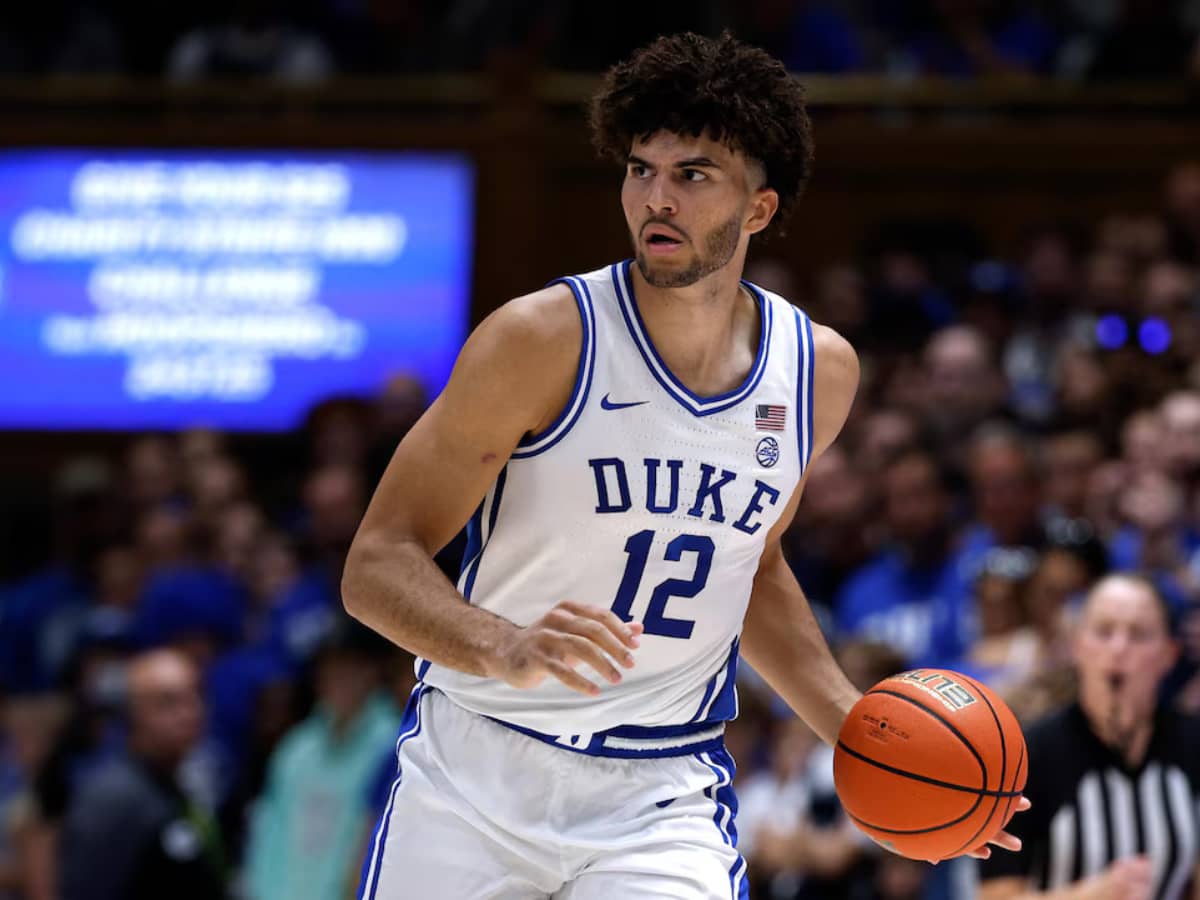
The Jazz’s decision-making process likely centered on Peterson’s ability to fill specific gaps in their current roster. While the team has focused on interior defense and rebounding in previous cycles, Peterson provides the offensive gravity needed to open up the floor for other players. His skill set includes:
- Three-Level Scoring: The ability to score from the perimeter, mid-range, and at the rim.
- Secondary Playmaking: A capacity to facilitate for teammates when defenses collapse on his drives.
- Defensive Versatility: The length and agility to guard multiple positions on the perimeter.
The Cam Boozer Debate: Why the Jazz Passed on a Legacy Pick
The selection of Darryn Peterson was not without controversy or heavy speculation. Leading up to the draft, a significant narrative emerged regarding Cameron Boozer, the son of former Jazz star Carlos Boozer. Yahoo Sports made a detailed case for the “second-generation Boozer” returning to Utah, suggesting that the marketing power and emotional connection of the Boozer name would be a massive asset for the franchise.
However, the Jazz ultimately prioritized Peterson’s specific fit and talent profile over the sentimental and commercial appeal of Boozer. Bleacher Report tracked the shifting rumors, noting that while Boozer remained a top candidate for the No. 2 pick, the Jazz’s internal evaluations leaned toward Peterson’s immediate impact on the court.
Ball Durham provided a contrasting perspective to the Boozer hype, arguing that the noise surrounding a potential Boozer selection ignored “one critical reality.” The publication suggested that the pressure of a legacy pick could outweigh the actual basketball needs of the team, and that the Jazz front office was likely aware that the “smoke” regarding Boozer was more about narrative than necessity.
Comparing the Peterson and Boozer Narratives
The tension between selecting Peterson and Boozer represented a classic NBA draft dilemma: choosing the “best player available” for a specific system versus choosing a player with high marketability and a pre-existing relationship with the city.
| Factor | Darryn Peterson Case | Cameron Boozer Case |
|---|---|---|
| Primary Appeal | Elite wing scoring and versatility. | Legacy connection and marketability. |
| Strategic Fit | Addresses perimeter scoring gaps. | Provides interior presence and versatility. |
| Narrative | The “Best Fit” approach. | The “Second-Generation” homecoming. |
| Risk Factor | Adapting to NBA defensive intensity. | Living up to the family legacy in Utah. |
Projecting the Jazz Rotation with Darryn Peterson
The arrival of Darryn Peterson necessitates a reshuffling of the Utah Jazz’s depth chart. According to FanSided, the team is expected to integrate Peterson into the starting lineup almost immediately, likely slotting him in as a starting guard or small forward.

The projection suggests that Peterson will serve as a primary ball-handler and shot-creator, relieving pressure from the team’s existing core. This shift allows the Jazz to move toward a more modern, pace-and-space offense. The expected impact on the rotation includes:
- Increased Floor Spacing: Peterson’s shooting gravity should create more room for the Jazz’s big men to operate in the paint.
- Roster Re-alignment: Existing wing players may move into sixth-man roles or be utilized as defensive specialists to complement Peterson’s offensive load.
- Playmaking Distribution: The Jazz may shift more playmaking responsibilities to Peterson to diversify their offensive sets.
Related analysis on NBA roster construction strategies suggests that integrating a No. 2 pick into the starting lineup early can accelerate a team’s rebuilding timeline, provided the player’s skill set complements the existing veterans.
The Broader Implications for the Utah Jazz Rebuild
Selecting Peterson is a clear statement about the direction of the Utah Jazz. For several seasons, the franchise has been in a state of transition, accumulating assets and searching for a definitive star to lead the next era. By choosing Peterson, the Jazz have moved from the “accumulation phase” to the “integration phase.”
The decision reflects a preference for modern NBA archetypes—long, versatile wings who can score from anywhere. This strategy aligns with the league-wide trend of prioritizing “positionless” basketball. If Peterson develops into an All-Star caliber player, the Jazz will have successfully filled their most critical need: a dynamic perimeter creator.
Short-Term vs. Long-Term Goals
In the short term, the Jazz are looking for Peterson to provide a spark to their offense and increase their competitiveness in the Western Conference. According to the projections from FanSided, the immediate goal is to build a chemistry-driven core around Peterson and the team’s other young assets.
Long-term, the selection is about ceiling. While a player like Cameron Boozer might have offered a safer floor and a stronger connection to the fanbase, the Jazz front office appears to believe that Peterson’s ceiling is higher. The goal is not just to be competitive, but to build a championship-contending roster centered around elite individual talent.
Common Misconceptions About the 2026 No. 2 Pick
Much of the public discourse surrounding the Jazz’s pick focused on the “missed opportunity” to draft Cameron Boozer. However, this framing often oversimplifies the complexities of NBA team building. Many fans viewed the Boozer possibility as a “sure thing” due to his pedigree, but as Ball Durham pointed out, this ignored the critical reality of how professional rosters are constructed.
Another misconception is that the Jazz passed on Boozer solely because of a lack of interest. In reality, Bleacher Report’s updates indicate that both Peterson and Boozer were seriously considered. The final decision was a matter of fit rather than preference. The Jazz did not necessarily decide that Boozer was a “bad” pick, but rather that Peterson was the “right” pick for their specific timeline and tactical needs.
Finally, some analysts suggested that taking a wing at No. 2 was a risk given the available big men in the draft. However, the current NBA landscape heavily favors wing depth. The Jazz’s decision to prioritize a scorer over a traditional frontcourt player reflects a modern understanding of how games are won and lost in the current era.
Frequently Asked Questions
Why did the Utah Jazz pick Darryn Peterson over Cameron Boozer?
While Cameron Boozer offered a strong legacy connection to Utah and significant marketability, the Utah Jazz prioritized Darryn Peterson’s specific skill set as a versatile, elite scoring wing. According to analysis from FanSided and reports from Bleacher Report, Peterson’s ability to create his own shot and stretch the floor was deemed a more critical need for the team’s current roster construction.
Where will Darryn Peterson fit into the Utah Jazz lineup?
FanSided projects that Peterson will likely enter the starting lineup as a primary scoring option at the guard or small forward position. His presence is expected to improve the team’s floor spacing and provide a new dimension of perimeter playmaking, allowing the Jazz to implement a more modern, pace-and-space offensive system.

What was the “critical reality” mentioned regarding the Boozer rumors?
Ball Durham argued that the excitement surrounding a potential Cameron Boozer selection was driven more by narrative and sentiment than by a cold analysis of the team’s basketball needs. The “critical reality” was that the Jazz needed a specific type of offensive production that Peterson provided, regardless of the emotional appeal of bringing a Boozer back to Salt Lake City.
Is Darryn Peterson considered a “franchise player”?
By selecting him with the second overall pick, the Utah Jazz are treating Peterson as a cornerstone of their rebuild. His combination of size, shooting, and scoring ability is characteristic of the “franchise wing” archetype that many NBA teams seek to build their long-term strategy around.
How does this pick affect the Jazz’s long-term rebuilding strategy?
The selection of Peterson marks a shift from collecting draft assets to building a core. It indicates that the Jazz are now focusing on adding high-impact talent to complement their existing youth, moving the franchise closer to a window of contention in the Western Conference.
