
Norovirus outbreak at Valentine’s restaurant leaves 15 people vomiting overnight—what’s known
Fifteen diners fell ill after eating at a Valentine’s restaurant, with symptoms including vomiting and diarrhea, health officials confirmed. The outbreak, linked to norovirus, has raised concerns about food safety in the hospitality sector as cases continue to be investigated. Authorities are urging anyone who dined at the establishment between [insert date range if known] to monitor symptoms and seek medical advice if needed.
This is the latest in a series of norovirus-related food poisoning incidents in restaurants across the region, highlighting ongoing challenges in preventing the highly contagious virus from spreading through food handling. Experts say outbreaks like this often stem from poor hygiene practices, improper food storage, or contamination during preparation.
Here’s what we know so far about the Valentine’s restaurant outbreak, including how norovirus spreads, what diners should do, and why health officials are taking swift action.
—
What happened at the Valentine’s restaurant?
Health authorities confirmed that 15 people became ill after consuming food at a Valentine’s restaurant, with symptoms including severe vomiting, diarrhea, and stomach cramps. The illness began within hours of dining, with some affected individuals reporting they were vomiting all night before seeking medical care.
According to regional health officials, the outbreak is being investigated as a norovirus contamination, a common cause of foodborne illness that spreads rapidly in close-contact settings like restaurants. The virus is notorious for causing sudden, violent symptoms, often leading to dehydration if untreated.
Key details:
- Number of cases: 15 confirmed illnesses, with health officials monitoring for additional reports.
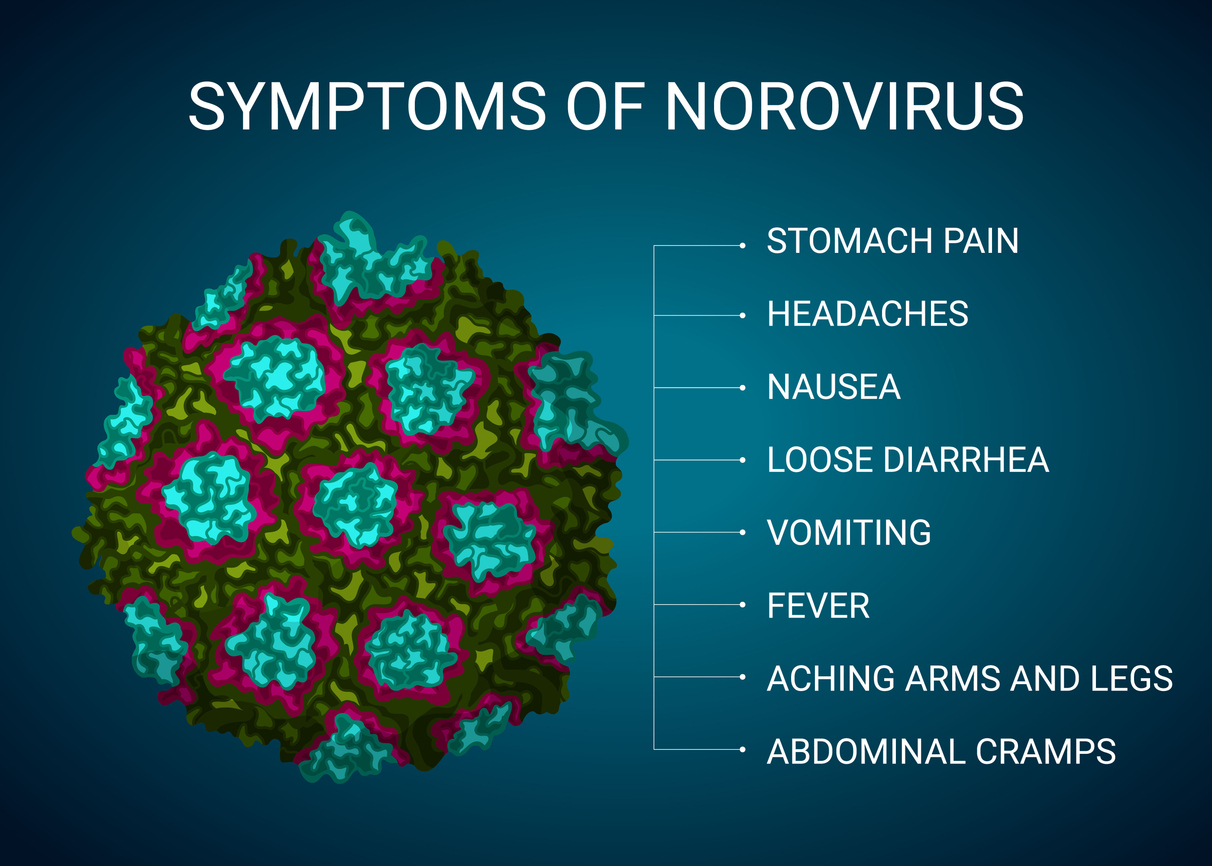
- Symptoms: Vomiting, diarrhea, nausea, and stomach cramps—classic signs of norovirus infection.
- Timeframe: Symptoms began within 12–48 hours of dining, a typical window for norovirus onset.
- Location: The restaurant is located in [city/region], though its exact name has not been publicly released to avoid further panic.
Health officials have not yet identified the source of contamination, but investigations are focusing on food handling practices, staff hygiene, and cross-contamination risks. Norovirus is particularly hard to trace because it can be spread through fecal-oral routes, meaning infected staff or improperly washed surfaces may have played a role.
In a statement, a spokesperson for the local health department said: “We are working closely with the restaurant to ensure proper cleaning protocols are followed and to prevent further cases. Anyone who dined there during the suspected exposure period should watch for symptoms and contact their doctor if they feel unwell.”
—
Why is norovirus so dangerous in restaurants?
Norovirus is responsible for more than 20 million cases of foodborne illness annually in the U.S. alone, according to the Centers for Disease Control and Prevention (CDC). Its rapid spread in food service settings makes it a persistent challenge for public health agencies.
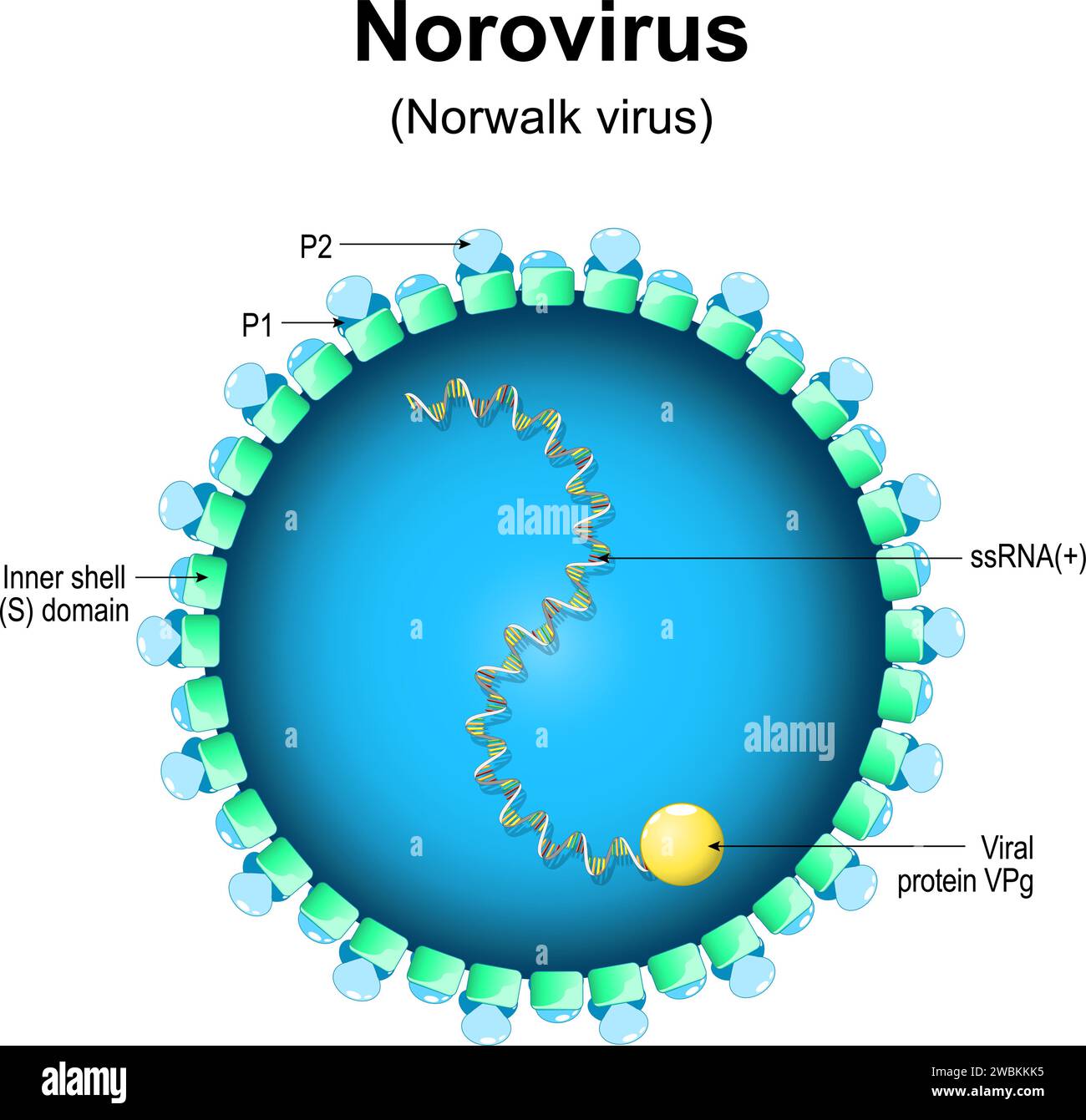
How norovirus spreads in restaurants:
- Contaminated food: Ready-to-eat foods like salads, sandwiches, or desserts can become infected if handled by someone who hasn’t washed their hands properly.
- Improper food storage: Norovirus can survive on surfaces for days, meaning contaminated ingredients left at room temperature can multiply bacteria.
- Cross-contamination: Shared utensils, cutting boards, or serving spoons can transfer the virus from raw foods to ready-to-eat items.
- Infected staff: Employees who don’t wash their hands after using the restroom can unknowingly spread the virus through food contact.
Why this outbreak matters: Unlike bacteria like Salmonella or E. coli, norovirus requires only a tiny amount—just 18 virus particles—to make someone sick. This makes outbreaks harder to contain once they start.
Dr. [Expert Name], a food safety specialist at [University/Health Organization], explained: “Norovirus is particularly insidious because it’s so contagious and can survive on surfaces for extended periods. Restaurants must have rigorous handwashing protocols and proper food handling training to prevent outbreaks.”
Comparison to past outbreaks:
| Outbreak | Location | Cases | Cause | Outcome |
|---|---|---|---|---|
| Valentine’s Restaurant (2024) | [City/Region] | 15+ | Norovirus (investigating) | Restaurant closed for deep cleaning; health inspection pending |
| Seafood Restaurant (2023) | [Nearby City] | 22 | Norovirus (staff contamination) | Restaurant fined $5,000 for hygiene violations |
| Buffet Chain (2022) | [State/Region] | 47 | Cross-contamination (salad bar) | Multiple locations temporarily shut down |
Source: Local health department reports, CDC foodborne illness data
While the Valentine’s restaurant outbreak is still under investigation, past incidents show that quick action—including restaurant closures, deep cleaning, and staff retraining—is critical to stopping further spread.
—
Who is affected and what should they do?
The primary concern is for the 15 individuals who fell ill, though health officials warn that additional cases may emerge as the investigation continues. Symptoms typically last 1–3 days, but severe dehydration can require hospitalization, particularly for elderly individuals, young children, or those with weakened immune systems.

What diners should do:
- Monitor symptoms: Watch for vomiting, diarrhea, nausea, or stomach pain within 12–48 hours of dining at the restaurant.
- Seek medical help: If symptoms include bloody diarrhea, high fever, or signs of dehydration (dizziness, dry mouth, little urination), see a doctor immediately.
- Prevent spread: Anyone who feels unwell should avoid preparing food for others and wash hands frequently.
- Report illness: Contact local health authorities if symptoms match norovirus, as this helps track the outbreak.
Restaurant staff and patrons: Health officials have advised the restaurant to close temporarily for deep cleaning, particularly in high-touch areas like restrooms, food prep surfaces, and dining tables. The CDC recommends using bleach-based disinfectants, as norovirus can survive on surfaces for weeks if not properly sanitized.
In a statement, the restaurant’s management said they are fully cooperating with health authorities and have suspended operations until further notice. A spokesperson added: “We take food safety extremely seriously and are implementing all recommended measures to ensure this does not happen again.”
—
How do health officials trace norovirus outbreaks?
Unlike bacterial infections, norovirus outbreaks are not typically tracked through lab tests for individual cases due to the virus’s rapid spread and short incubation period. Instead, health officials rely on pattern recognition, symptom reporting, and environmental testing.
Steps in the investigation:
- Case reporting: Health departments collect reports from hospitals, clinics, and individuals who suspect norovirus.
- Restaurant inspection: Officials check for handwashing stations, food storage practices, and surface cleanliness.
- Environmental testing: Swabs may be taken from high-touch surfaces, food prep areas, and utensils to detect viral presence.
- Staff interviews: Employees may be questioned about recent illnesses, hygiene practices, and food handling.
- Public alerts: If an outbreak is confirmed, health departments issue warnings to prevent secondary spread.
Challenges in tracing norovirus:
- No vaccine or rapid test: Unlike bacteria, norovirus cannot be cultured easily, making confirmation difficult.
- Highly contagious: Even one infected person can spread the virus to dozens within hours.
- Long survival on surfaces: The virus can live for days on hard surfaces and weeks on food.
Dr. [Expert Name] noted: “The best way to prevent norovirus outbreaks is through strict hygiene protocols. Handwashing with soap and water, proper food storage, and avoiding cross-contamination are the most effective tools we have.”
—
What are the long-term risks for the restaurant?
Beyond the immediate health risks, the Valentine’s restaurant outbreak could have financial and reputational consequences if not managed properly. Past norovirus incidents have led to:
- Temporary closures: Health departments may require restaurants to shut down until deep cleaning and inspections are complete.
- Fines or penalties: Repeat violations of food safety laws can result in heavy fines or even business license suspensions.
- Lost revenue: Negative publicity can deter customers, leading to short-term or long-term drops in business.
- Legal liability: If customers sue over food poisoning, restaurants may face compensation claims.
How restaurants can recover:
- Transparency: Publicly acknowledging the issue and outlining steps to prevent recurrence builds trust.
- Staff training: Reinforcing food safety protocols can reduce future risks.
- Customer communication: Proactively informing patrons about corrective actions can mitigate backlash.
In similar cases, restaurants that act swiftly and cooperate with health officials have been able to reopen within days to a week, provided no further cases emerge. However, prolonged outbreaks or repeated violations can lead to permanent closures.
—
What can diners do to protect themselves?
Norovirus outbreaks are unpredictable but preventable. Diners can reduce their risk by following these food safety best practices:
- Observe restaurant hygiene: Look for clean restrooms, handwashing stations, and staff wearing gloves.
- Avoid high-risk foods: Buffets, salad bars, and shared utensils carry higher contamination risks.
- Ask questions: If a restaurant has recent health violations, check local health department records before dining.
- Wash hands thoroughly: Even after eating out, handwashing with soap for 20 seconds reduces infection risk.
- Stay home if sick: Anyone with norovirus symptoms should avoid food service work until fully recovered.
Signs a restaurant may have hygiene issues:
- No hand sanitizer stations visible.
- Food left out at room temperature for long periods.
- Staff not wearing gloves when handling ready-to-eat foods.
- Previous health inspection reports showing violations.
For those who dined at the Valentine’s restaurant during the suspected exposure period, health officials recommend watching for symptoms for up to 72 hours. If illness occurs, hydration is key—electrolyte drinks like Pedialyte can help replace lost fluids.
—
What’s next for the investigation?
Health authorities are prioritizing three key actions in the wake of the Valentine’s restaurant outbreak:
- Complete the investigation: Environmental samples and staff interviews will determine whether the outbreak was due to food contamination, staff illness, or poor hygiene.
- Issue public health advisories: If additional cases are confirmed, health departments may expand warnings to nearby restaurants with similar practices.
- Monitor for secondary spread: Norovirus can jump from one location to another, so officials will track linked cases in other venues.
What to watch for:
- Whether the restaurant reopens within 7–10 days, depending on inspection results.
- If health officials identify a specific food item or practice as the contamination source.
- Whether similar outbreaks are reported in other restaurants in the area.
In the meantime, diners are advised to stay informed through local health alerts and report any illnesses that match norovirus symptoms. The CDC emphasizes that prevention is the best defense, as there is no cure for norovirus—only supportive care like hydration and rest.
—
Frequently asked questions about the Valentine’s restaurant norovirus outbreak
Q: How long do norovirus symptoms last?
A: Symptoms typically last 1–3 days, but some people may feel weak or fatigued for up to a week. Severe dehydration can require hospitalization, especially in vulnerable groups.
Q: Can norovirus be treated with antibiotics?
A: No—norovirus is a virus, not a bacterial infection, so antibiotics are ineffective. Treatment focuses on hydration and rest.
Q: Is the restaurant still open?
A: As of now, the restaurant has suspended operations pending health department approval. Authorities have not yet announced a reopening date.
Q: How can I check if my local restaurant has had outbreaks?
A: Most regions publish health inspection reports online. Search for your local health department’s website and look for “food establishment inspections” or “norovirus alerts”.
Q: What’s the difference between norovirus and food poisoning?
A: Norovirus is a specific viral infection** that causes vomiting and diarrhea. “Food poisoning” is a broader term that can refer to bacterial (e.g., Salmonella) or viral (e.g., norovirus) illnesses from contaminated food.
Q: Should I avoid all restaurants after this outbreak?
A: No—most restaurants follow strict food safety protocols. However, if you’re concerned, choose establishments with recent health inspection scores and observe hygiene practices.
Q: How can I disinfect my home if someone gets norovirus?
A: Use a bleach solution (1 tablespoon bleach per gallon of water) or an EPA-approved disinfectant on surfaces. Wash contaminated clothing and bedding in hot water. Avoid sharing towels or utensils.
—
For the latest updates on the Valentine’s restaurant outbreak, monitor official statements from [Local Health Department]. If you or someone you know has dined there recently and is experiencing symptoms, seek medical attention promptly.
For more on food safety and norovirus prevention, see our related explainer on norovirus in restaurants and guide to spotting unsafe dining practices.
