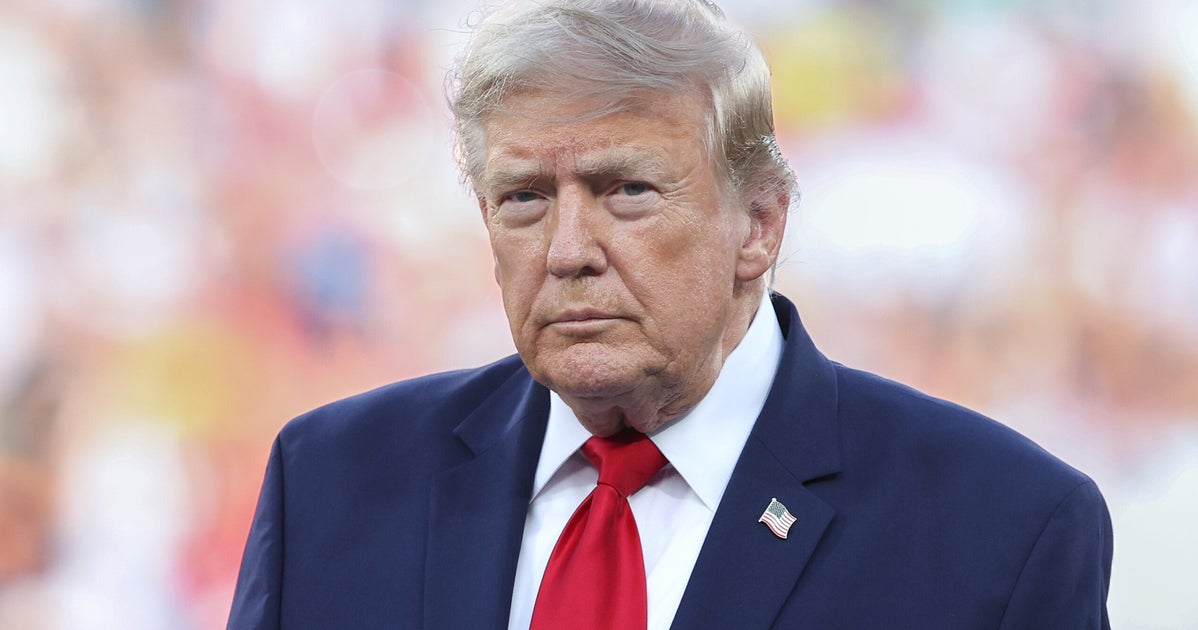
Twelve US states sue to block Paramount $110 billion Warner Bros merger
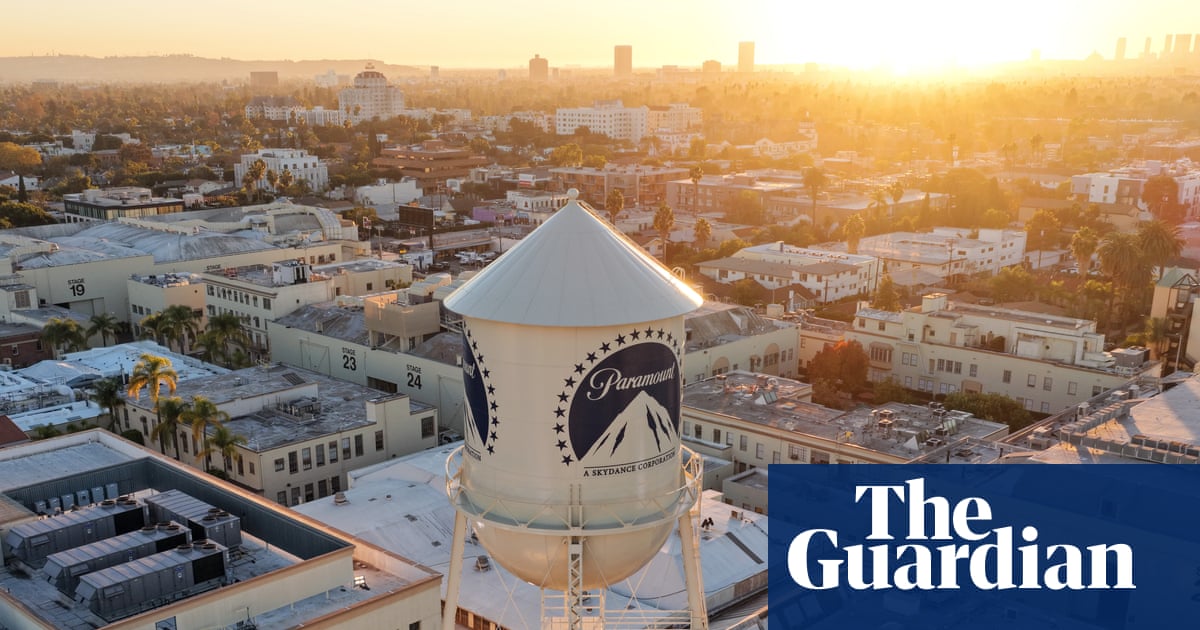
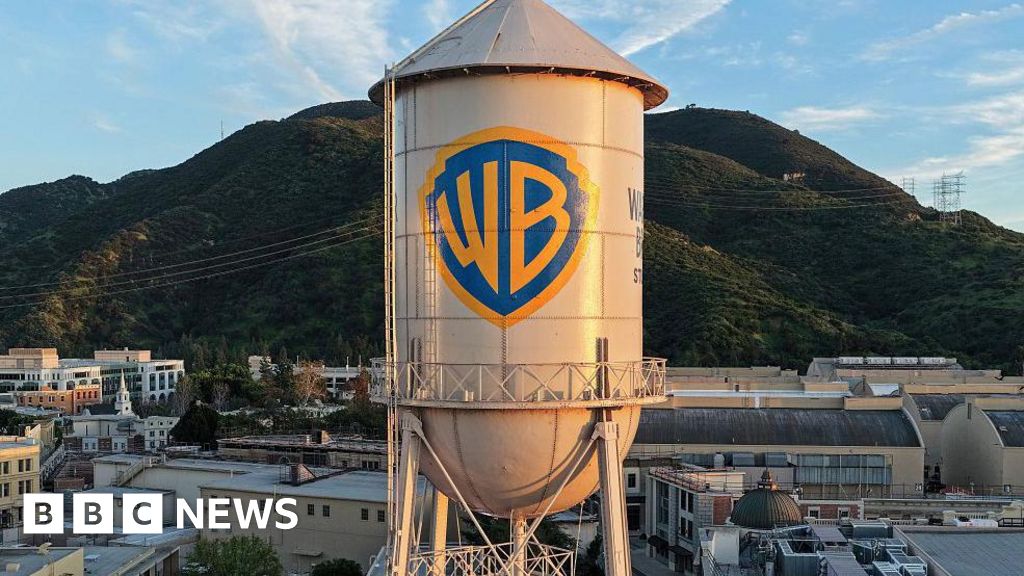
A coalition of 12 states is suing to halt the Paramount Skydance acquisition of Warner Bros. Discovery, arguing the merger would reduce competition.
A coalition of 12 US states has filed a federal lawsuit to halt Paramount Skydance's acquisition of Warner Bros. Discovery, arguing that the $110 billion merger would extinguish competition
in Hollywood and lead to higher costs for consumers. The legal challenge, led by California Attorney General Rob Bonta, was filed Monday, in the US District Court for the Northern District of California.
The lawsuit seeks to freeze the transaction until the judicial process concludes, with Bonta stating the coalition will file a temporary restraining order if the companies do not agree to delay. This move follows a June 12 approval from the US Department of Justice, which determined the deal would not harm American consumers or competition. However, the state-led effort effectively attempts to do what federal regulators declined to do after an eight-month review.
Related media
Antitrust Claims and Market Control
The states allege a violation of the Clayton Act, claiming the merger would create a media behemoth
with unprecedented influence over global news and entertainment. According to the lawsuit, the combined entity would control the following shares of the US market:
- Wide-release theatrical distribution: 27%
- Blockbuster film distribution: 30%
- Basic cable licensing: 27%
The coalition argues that combining two of the last five legacy studios would leave only four conglomerates controlling over 85% of all wide-release theatrical films. State attorneys general contend that movie theaters and basic cable distributors would lose vital bargaining power, leading to higher fees that would be passed to audiences through pricer tickets and monthly cable bills.
Bonta stated that the merger would result in higher prices, lower quality, and less content for film and television
. New York Attorney General Letitia James added that the deal would put jobs and businesses nationwide at risk
.
Political Friction and "Rigged Markets"
The legal battle has taken on a sharp political tone, as all 12 attorneys general involved are Democrats. The lawsuit comes amid allegations that the Trump administration's approval of the deal was influenced by the political ties of Paramount CEO David Ellison and his father, Oracle co-founder Larry Ellison. Larry Ellison is a known supporter and adviser to President Donald Trump.
Arizona Attorney General Kris Mayes suggested that the Trump-led DOJ was rolling over for corporate consolidation
. Bonta described the lawsuit as a fight for free and fair markets, not rigged markets
, asserting that America has no kings in government or our economy
.
Further complicating the narrative is the role of Makan Delrahim, Paramount’s chief legal officer and a former head of the DOJ’s antitrust division under Trump. Additionally, Paramount recently reached a $16 million settlement with Trump over claims that CBS's 60 Minutes deceptively edited an interview with Kamala Harris, a move critics have labeled a quid pro quo for merger approval.
Concerns Over News and Jobs
The merger would place CNN and HBO Max under the same roof as CBS and Paramount+, sparking fears regarding editorial independence. Journalists at CNN and CBS News have expressed concerns over potential job cuts. Reports from Semafor indicate that David Ellison may have told Trump administration officials he would implement major changes at CNN.
Industry professionals, including the Writers Guild of America, have echoed these concerns, predicting lower wages and fewer jobs.
Paramount's Defense and Financial Stakes
Paramount has dismissed the lawsuit as fundamentally flawed
and based on a misrepresentation of the entertainment industry. The company argues that the traditional studio model is being disrupted by technology and that the merger is necessary to create a stronger competitor
against dominant platforms like Netflix, Amazon, and Apple.
While the states argue the deal will lead to fewer movies, David Ellison has pledged the combined company will release approximately 30 films annually. Paramount further contends that delaying the deal will only harm entertainment workers who have already suffered from technological disruptions.
The financial pressure to close is immense. Paramount is aiming to finalize the deal by September 30. If the process exceeds that date, the company has agreed to a ticking fee
of $0.25 per share each quarter—approximately $650 million every 90 days. Failure to close by June of next year could trigger a regulatory termination fee of $7 billion.
Deal Outlook and Regulatory Hurdles
While the deal has received clearance in China, Canada, and Australia, it remains under review in the European Union and the United Kingdom. On June 30, UK culture secretary Lisa Nandy stated she was minded
to intervene, requesting further investigations by Ofcom and the Competition and Markets Authority (CMA), which will likely delay the timeline.
Domestically, the FCC has yet to sign off due to Paramount's licenses for 28 local stations, though FCC Chairman Brendan Carr has called it a good deal
.
- Court Ruling: Whether the US District Court for the Northern District of California grants a temporary restraining order to block the closing.
- September 30 Deadline: Whether Paramount closes the deal before the $650 million quarterly ticking fee begins.
- UK Intervention: The results of the Ofcom and CMA investigations following Lisa Nandy's intervention.
- Headquarters Shift: Whether Paramount follows through on reports of moving its corporate headquarters out of California.
Archypedia is dedicated to independent, evidence-backed reporting. This briefing was synthesized from primary source reporting, corroborated across independent newsrooms, and verified against our Editorial Standards.
Transparency record
Evidence behind this report
This report synthesizes 8 distinct sources. Open the source ledger below to compare the underlying coverage.
- apnews.com
- finance.yahoo.com
- theguardian.com
- thenextweb.com
- arstechnica.com
- bbc.com
- aljazeera.com
- bestmediainfo.com
Prepared under the Archypedia Editorial Policy by the Iris Kane editorial desk profile. AI-assisted tools may support drafting and verification; public accountability remains with Archypedia. Report an error.