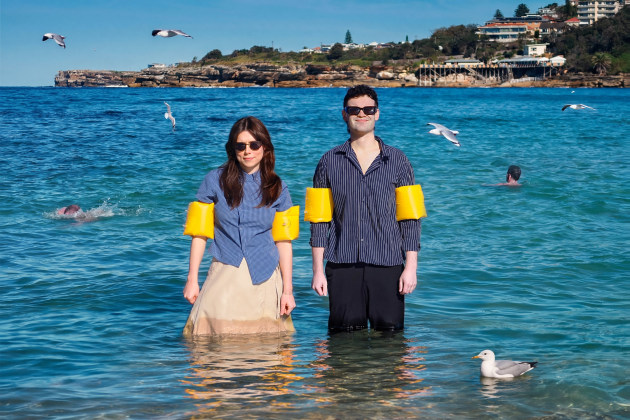
Emotive Appoints Art Director and Copywriter to Bolster Creative Team
Emotive has expanded its creative department with the appointment of a new art director and a new copywriter, according to reports from adnews.com.au. These hires represent a strategic move to increase the agency’s creative bandwidth and enhance its ability to deliver integrated campaigns for its client roster.
What does the appointment of a new art director and copywriter mean for Emotive?
The addition of these two specific roles indicates that Emotive is prioritizing the “creative couple” model—the traditional pairing of a visual lead and a verbal lead. According to the report from adnews.com.au, the agency is scaling its internal talent to meet evolving client demands. By hiring both an art director and a copywriter simultaneously, the agency ensures that its visual identity and narrative messaging remain synchronized from the start of the conceptual process.
In the agency world, this dual appointment typically suggests a few key operational goals:
- Increased Output Capacity: More creative hands allow the agency to take on a higher volume of work or more complex, multi-channel campaigns without burning out existing staff.
- Diversification of Style: New hires bring fresh perspectives, different aesthetic sensibilities, and new writing voices, which prevents creative stagnation.
- Strengthened Conceptual Rigor: When an art director and copywriter work in tandem, they challenge each other’s ideas, leading to more polished and effective final products.
This growth phase comes at a time when agencies are increasingly required to pivot between high-level brand storytelling and rapid-fire social content. The synergy between a dedicated visual lead and a dedicated writer allows an agency to maintain quality across both long-form brand films and short-form digital assets.
How do art directors and copywriters collaborate in a modern agency?
To understand the impact of the news that Emotive appoints art director and copywriter – adnews.com.au, it is necessary to examine how these roles function. While the boundaries between “visual” and “verbal” have blurred in the era of the “creative generalist,” the specialized pairing remains the gold standard for high-end advertising.
The art director focuses on the visual language. This includes typography, color palettes, layout, and the overall “look and feel” of a campaign. They ensure that the visual communication evokes the correct emotion and aligns with the brand’s identity. Meanwhile, the copywriter handles the voice, the messaging, and the narrative arc. They craft the headlines, scripts, and call-to-actions that drive consumer behavior.
The following table outlines the primary distinctions and points of intersection between these two roles within a creative agency like Emotive:
| Responsibility | Art Director | Copywriter | Collaborative Goal |
|---|---|---|---|
| Primary Focus | Visual Communication | Verbal Communication | Unified Brand Message |
| Key Deliverables | Moodboards, Layouts, Storyboards | Scripts, Headlines, Taglines | Integrated Campaign |
| Core Skillset | Design, Composition, Aesthetics | Storytelling, Psychology, Writing | Creative Concepting |
| Success Metric | Visual Impact & Brand Recall | Clarity, Persuasion & Engagement | Conversion & Brand Equity |
“The magic of a creative team happens in the tension between the image and the word. When they work in perfect harmony, the message becomes intuitive; when they contrast, the message becomes provocative.”
Why is talent acquisition a priority for creative agencies currently?
The decision by Emotive to bring on new creative talent reflects a broader trend in the advertising industry. Agencies are currently navigating a volatile landscape where client expectations for “agility” have reached an all-time high. Clients no longer want a single “big idea” for the year; they want a constant stream of relevant, high-quality content tailored to specific platforms.
According to industry analysis, the current talent war in the creative sector is driven by three primary factors:
- The Shift to “Always-On” Marketing: The move from periodic campaigns to continuous engagement requires more personnel to maintain a high cadence of production.
- Platform Specialization: A visual that works on a billboard fails on TikTok. Agencies need art directors who understand vertical video and copywriters who can write for the algorithmic speed of social media.
- The Integration of AI: While generative AI can produce images and text, the role of the human creative has shifted toward curation and strategic direction. Agencies are hiring experienced humans to guide these tools and ensure the output remains authentic and on-brand.
By expanding its team, Emotive is positioning itself to handle these complexities. The ability to pitch more robust creative concepts is often the deciding factor in winning new business during agency reviews.
The Role of Strategic Hiring in Agency Growth
Hiring is rarely just about filling a seat. In a creative environment, a new hire is a strategic asset. When an agency adds an art director and a copywriter, they are essentially adding a “concept engine.” This engine can be deployed to solve specific client problems, such as rebranding a legacy product or launching a disruptive new entrant into a crowded market.
For Emotive, these appointments likely serve as a signal to the market that the agency is in a growth phase. In the competitive landscape of advertising, demonstrating an increase in headcount is often viewed as a proxy for winning new accounts or expanding the scope of existing contracts.
Common misconceptions about creative roles in advertising
There are several frequent misunderstandings regarding the roles of art directors and copywriters that can obscure the importance of these appointments. Clarifying these helps illustrate why Emotive’s move is a calculated investment.
Misconception 1: The Art Director is just a “Graphic Designer”
While many art directors have a background in design, the roles are different. A designer focuses on the execution of a visual asset. An art director focuses on the concept. They decide why a certain visual style is being used and how it serves the overarching strategy. They manage the visual narrative, often overseeing photographers, illustrators, and designers to ensure a cohesive look.
Misconception 2: The Copywriter only “Writes the Words”
Copywriting is less about writing and more about strategic thinking. A copywriter spends a significant portion of their time in the research phase, analyzing consumer psychology and competitor messaging. They are architects of the brand’s voice. The actual writing is the final step of a long conceptual process.
Misconception 3: AI replaces the need for these roles
There is a persistent narrative that AI tools like Midjourney or ChatGPT make art directors and copywriters obsolete. In reality, these tools have increased the demand for senior-level creative direction. AI can generate a thousand iterations of a logo or a headline, but it cannot determine which one will resonate emotionally with a specific target audience in a specific cultural context. Human creatives provide the “taste” and “judgment” that AI lacks.
Industry parallels and precedents
The pattern of scaling creative teams in pairs is a long-standing tradition in the world’s most successful agencies. From the “Mad Men” era of the 1960s to the modern digital boutiques, the pairing of a visual and verbal lead has been the catalyst for the most iconic campaigns in history.
When agencies scale in this manner, they often see a direct correlation with their ability to enter new categories. For example, an agency specializing in B2B services might hire a more “experimental” art director and copywriter to help them break into the consumer lifestyle or fashion sectors. This allows the agency to pivot its aesthetic without alienating its core client base.
Related to this, many agencies are now implementing “pod” structures. Instead of having one giant creative department, they create small, agile teams (a pod) consisting of one art director, one copywriter, and one strategist. This structure, which Emotive’s new hires may be part of, increases accountability and allows for faster turnaround times on client deliverables.
What to monitor regarding Emotive’s creative expansion
As Emotive integrates these new hires, industry observers will likely look for several key indicators of success. The first is the “output shift”—whether the agency’s portfolio begins to show a new visual or narrative direction. The second is “client acquisition”—whether these new capabilities allow the agency to win pitches in sectors they previously avoided.
Furthermore, the integration of new talent often leads to a reorganization of internal workflows. The effectiveness of these appointments will depend on how well the new art director and copywriter are integrated into the agency’s existing strategic framework. The goal is not just to add more people, but to increase the quality of the creative “spark” that defines the agency’s reputation.
For those following the agency’s trajectory, the next few quarters will reveal if these hires are a response to a specific new client win or a proactive move to attract a different caliber of business. Either way, the investment in human creativity remains a cornerstone of agency competitiveness in a tech-heavy market.
Frequently Asked Questions
Who did Emotive appoint recently?
According to adnews.com.au, Emotive has appointed a new art director and a new copywriter to its creative team.

Why does an agency hire an art director and copywriter as a pair?
Agencies often hire these roles together to create a balanced creative team. The art director handles the visual strategy, while the copywriter handles the verbal messaging. Together, they ensure that the look and the voice of a campaign are perfectly aligned.
How does this news affect Emotive’s clients?
Clients typically benefit from increased creative capacity, faster turnaround times, and a broader range of conceptual ideas. The addition of new talent often leads to more innovative campaigns and a higher volume of content production.
Is this a common move for advertising agencies?
Yes. Scaling the creative department is a standard growth strategy for agencies looking to increase their market share, diversify their portfolio, or handle larger accounts that require more intensive creative support.
How do these roles differ from general content creators?
While content creators often handle both visuals and text for a single platform, art directors and copywriters are strategic roles focused on the overarching brand identity and high-level conceptualization across multiple channels.
