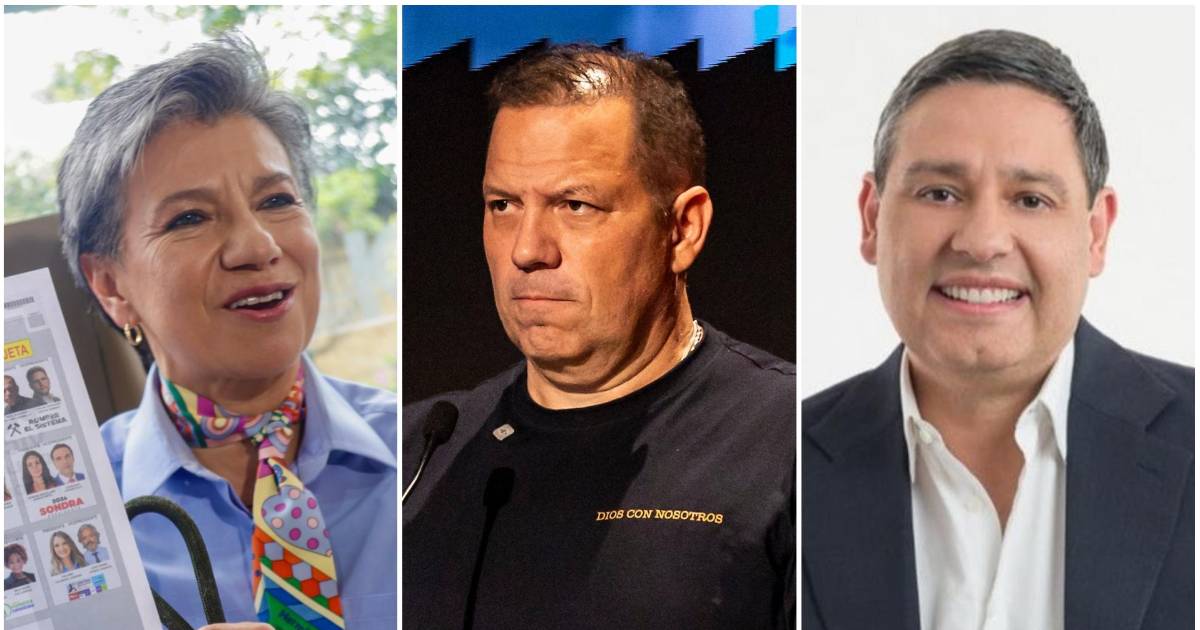
In the lead-up to Colombia’s 2026 presidential elections, a critical threshold for vote revalidation has emerged as a pivotal factor in determining which candidates qualify for financial support from the national electoral body. Local media reports reveal that several prominent figures in the race failed to meet the required number of votes to secure reimbursement for campaign expenses, sparking discussions about the financial barriers facing political contenders in the country.
The Threshold for Revalidation
The process of vote revalidation in Colombia’s electoral system is designed to ensure that candidates who receive significant public support are eligible for state-funded campaign reimbursements. According to recent disclosures, candidates must surpass a specific vote threshold to qualify for this financial assistance. Those who fall short are denied access to these funds, effectively limiting their ability to compete on equal footing in the race.
The exact figure required for revalidation remains a subject of debate, but sources indicate that it is calculated based on the total number of valid votes cast in the previous election. This mechanism aims to prioritize candidates with broad public backing while discouraging fringe or under-resourced campaigns from entering the fray.
Candidates Left in the Lurch
Several high-profile candidates have been identified as failing to meet the revalidation threshold. Among them is Paloma Valencia, a former senator and political commentator, whose campaign has drawn attention for its focus on social reform and anti-corruption measures. While details about her specific vote count remain undisclosed, reports suggest she did not secure the necessary support to qualify for state funding.
Other candidates, whose names have not been fully disclosed in the available sources, also faced similar challenges. The exclusion of these figures from the revalidation process has raised questions about the fairness of the system and its impact on political diversity. Critics argue that the threshold disproportionately favors well-established parties with existing voter bases, potentially stifling new voices in the electoral landscape.
Implications for the 2026 Race
The fallout from these revalidation decisions could reshape the dynamics of the 2026 presidential contest. Candidates who miss the threshold are left to rely on private donations and grassroots fundraising, which may limit their reach and visibility. This could lead to a more polarized race, with the remaining contenders likely to be those with significant institutional backing or media presence.
For voters, the outcome underscores the financial realities of political campaigns in Colombia. The revalidation process highlights the intersection of electoral law and economic power, raising broader questions about accessibility and representation in the democratic process.
As the 2026 elections draw nearer, the debate over vote revalidation will likely intensify. Political analysts suggest that the criteria for eligibility may come under scrutiny, with calls for reforms to ensure a more equitable playing field for all candidates, regardless of their financial resources.
