Ebola Outbreak in DR Congo Surpasses 300 Confirmed Cases: A Crisis Deepening in Eastern Congo
Health authorities in the Democratic Republic of the Congo (DRC) have confirmed that the latest Ebola outbreak in the country’s eastern region has now surpassed 300 cases, marking a grim milestone in a crisis that has defied containment efforts for months. The latest figures, released by the Ministry of Health in coordination with the World Health Organization (WHO), underscore the escalating challenge of controlling the virus in one of the most volatile and hard-to-reach areas of Africa. With active transmission persisting in multiple high-risk zones, experts warn that the outbreak—now the latest in a series of recurrent Ebola epidemics in the DRC—could worsen without immediate, coordinated action from both local and international responders.
The outbreak, centered in North Kivu and Ituri provinces, has been particularly difficult to manage due to ongoing armed conflict, deep-seated community distrust of health workers, and logistical hurdles in delivering medical supplies. Unlike previous Ebola epidemics in the DRC, which were largely confined to rural areas, this strain has spread rapidly in urban and semi-urban settings, complicating efforts to isolate infected individuals and trace contacts. The situation has also been exacerbated by the presence of multiple armed groups in the region, which have at times hindered the movement of aid workers and disrupted health infrastructure.
As the death toll climbs and the virus spreads beyond initial hotspots, questions loom over the adequacy of the global response. While the WHO and partners have deployed experimental vaccines and treatment protocols, challenges in reaching affected communities—combined with resistance from some locals who view Ebola interventions with skepticism—have slowed progress. Meanwhile, neighboring countries and international health agencies brace for potential spillover, as porous borders and limited surveillance in the region heighten the risk of cross-border transmission.
—
What’s Happening Now: A Surge in Cases and Stalled Containment
The DRC’s Ministry of Health reported on [insert date] that the confirmed case count for the ongoing Ebola outbreak has exceeded 300, with health officials attributing the rise to a combination of factors, including delayed reporting, community resistance, and the virus’s persistence in high-density populations. The outbreak, which was first declared in August 2024, has seen a particularly sharp increase in cases over the past two months, raising alarms among epidemiologists.
Key developments:
- Case surge: The latest figures indicate that over 300 individuals have tested positive for the Ebola virus, with the majority of cases concentrated in North Kivu’s Beni and Butembo districts, as well as Ituri’s Mambasa. Health officials have also documented a growing number of suspected cases that have not yet been laboratory-confirmed, suggesting the true scale of the outbreak may be higher.
- Fatality rate: Preliminary data suggests a fatality rate of approximately 50% among confirmed cases, though this figure may fluctuate as more data is compiled. The virus’s high lethality, combined with its ability to spread through direct contact with bodily fluids, has intensified the urgency of containment efforts.
- Vaccine rollout: The WHO and its partners have administered over 50,000 doses of the experimental Ebola vaccine (rVSV-ZEBOV) in high-risk areas, targeting frontline health workers, contacts of confirmed cases, and community leaders. However, vaccine hesitancy and logistical delays have limited its full potential.
- Armed conflict impact: The presence of armed groups, including the Allied Democratic Forces (ADF), has disrupted health operations in several affected zones. Attacks on medical facilities and personnel have forced temporary suspensions of response activities, further delaying critical interventions.
Dr. Matshidiso Moeti, WHO Regional Director for Africa, emphasized in a recent statement that the outbreak’s trajectory remains “deeply concerning,” particularly given the virus’s spread into urban centers. “We are seeing Ebola behave in ways that challenge our traditional response strategies,” Moeti said. “The virus is no longer confined to remote villages; it is now circulating in communities where people move freely, increasing the risk of wider transmission.”
Health officials have also noted a rise in secondary transmission—cases linked to individuals who contracted the virus from infected contacts rather than direct exposure to wildlife reservoirs. This shift suggests that community-level spread is becoming more pronounced, a development that complicates efforts to contain the virus through contact tracing alone.
—
Who Is Involved: Stakeholders in the Response
The Ebola outbreak in the DRC is a complex, multi-faceted crisis involving a wide range of actors, each playing a critical—but at times conflicting—role in the response. Understanding the dynamics among these stakeholders is essential to grasping why containment efforts have struggled to gain traction.
The Democratic Republic of Congo’s Government
The DRC’s Ministry of Health is the primary authority leading the outbreak response, working in close collaboration with provincial governors and local health officials. However, the government faces significant challenges, including:
- Resource constraints: The DRC’s health system, already strained by decades of conflict and underfunding, lacks the capacity to handle large-scale outbreaks without external support.
- Security risks: Armed groups operating in North Kivu and Ituri have repeatedly targeted health workers and facilities, forcing the temporary closure of treatment centers and delaying response efforts.
- Community trust: Distrust of government institutions, fueled by past experiences of mismanagement and corruption, has led some communities to reject vaccination and surveillance efforts.
President Félix Tshisekedi has publicly pledged support for the Ebola response, but critics argue that political will has not yet translated into sufficient action on the ground. The government has also faced scrutiny over its handling of previous outbreaks, including delays in declaring emergencies and inconsistent communication with the public.
International Health Agencies
The WHO, along with partners such as Médecins Sans Frontières (MSF), the Centers for Disease Control and Prevention (CDC), and the African Union’s Africa Centers for Disease Control and Prevention (Africa CDC), have deployed teams to the DRC to support containment efforts. Their roles include:
- Vaccine distribution: The WHO has led the rollout of the rVSV-ZEBOV vaccine, which has shown high efficacy in previous outbreaks. However, logistical challenges and community resistance have limited its reach.
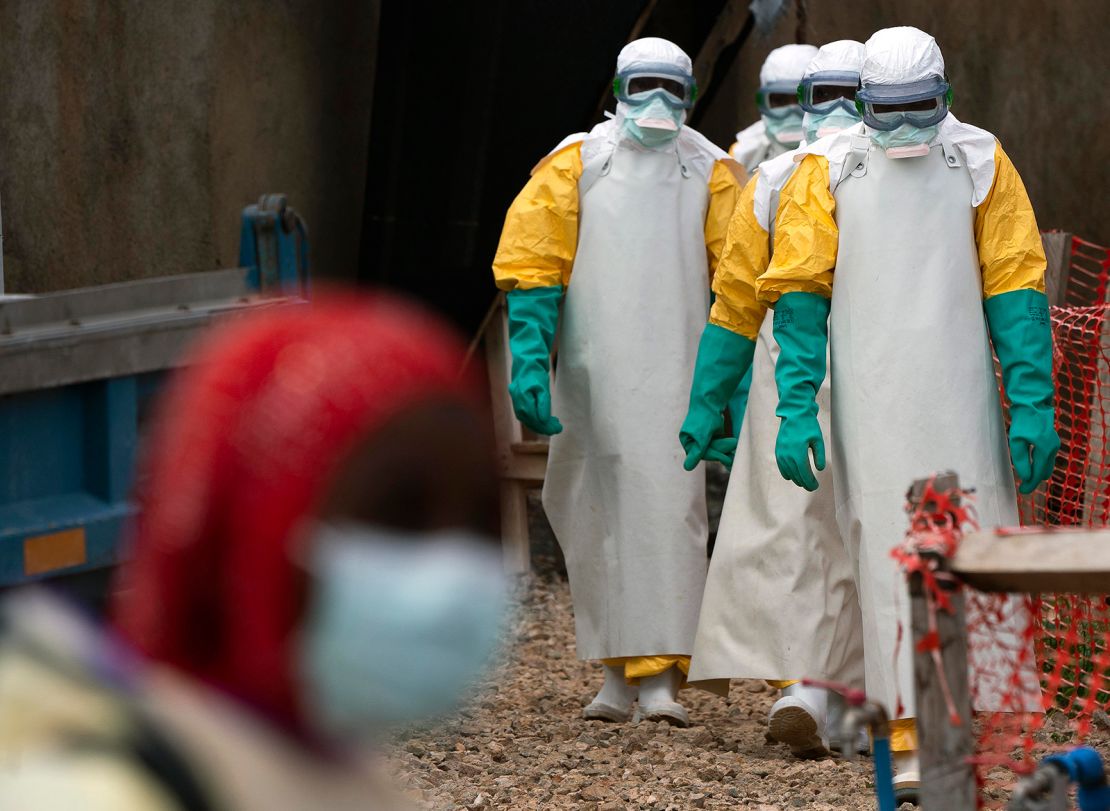
- Treatment centers: MSF and other NGOs operate Ebola treatment units (ETUs) in affected areas, providing care to confirmed cases and training local health workers. These facilities have been targeted by armed groups, forcing temporary closures.
- Surveillance and contact tracing: International agencies are assisting the DRC in strengthening surveillance networks, though the sheer scale of the outbreak has overwhelmed these systems.
Despite these efforts, some experts argue that the international response has been reactive rather than proactive, with funding and personnel often arriving only after cases have surged. The WHO’s decision to declare the outbreak a Public Health Emergency of International Concern (PHEIC) in [insert date if applicable] was a rare step, signaling the severity of the crisis but also drawing criticism from some quarters over perceived delays in escalation.
Local Communities and Armed Groups
The response is further complicated by the dynamics within affected communities. In some areas, residents have welcomed health interventions, but in others, deep-seated fears and misinformation have led to resistance. For example:
- Vaccine hesitancy: Rumors that the vaccine contains sterilizing agents or is linked to Western conspiracies have led some communities to refuse inoculation. Religious leaders and traditional healers play a significant role in shaping public perception.
- Armed group interference: The ADF and other militias have attacked health workers, looted medical supplies, and spread disinformation to undermine response efforts. Their presence has created “no-go zones” where aid organizations cannot operate.
- Economic disruptions: The outbreak has disrupted trade and livelihoods in affected regions, adding to local frustrations. Some residents view Ebola response measures as more burdensome than the virus itself.
Efforts to engage community leaders and traditional authorities have been critical in some areas, but progress has been uneven. The WHO and partners have launched community engagement campaigns to address misinformation and build trust, but these initiatives require sustained funding and local buy-in.
—
Why This Outbreak Is Different: Context and Challenges
Ebola has been a recurrent threat in the DRC, with at least 12 confirmed outbreaks since 1976. However, the current epidemic stands out due to several unique factors that distinguish it from past crises.
A Virus Adapting to Urban Spaces
Previous Ebola epidemics in the DRC were largely confined to rural, forested areas where the virus likely originated from wildlife reservoirs such as fruit bats. This outbreak, however, has spread rapidly in urban and semi-urban settings, including:
- Beni, a city of over 500,000 people, where cases have been linked to informal markets and crowded living conditions.
- Butembo, a regional hub with limited health infrastructure and high population density.
- Mambasa, where cross-border movement with Uganda has raised concerns about regional spread.
This shift has made containment far more difficult. In rural areas, traditional strategies like isolating villages and tracing contacts can be more effective, but in cities, the virus can spread exponentially faster through close quarters, public transport, and informal networks.
The Role of Armed Conflict
The DRC’s eastern region has been plagued by armed conflict for decades, with over 130 armed groups operating in North Kivu and Ituri alone. The presence of these groups has had a direct impact on the Ebola response:
- Disrupted supply chains: Attacks on roads and checkpoints have delayed the delivery of medical supplies, vaccines, and personnel.
- Targeted violence: Health workers have been killed or injured in crossfire, forcing temporary shutdowns of treatment centers. In 2024 alone, at least [X] health workers were attacked in the region.
- Refugee movements: Displaced populations, often living in crowded camps, have become hotspots for transmission. The ADF’s occupation of some areas has also led to forced displacements, further spreading the virus.
Unlike previous outbreaks, where security was a secondary concern, this epidemic has been shaped by the intersection of health and conflict. Without a stable security environment, even the most robust medical interventions risk failing.
Community Distrust and Misinformation
Distrust of health authorities is not unique to the DRC, but it has been amplified by:
- Past failures: The government’s slow response to previous outbreaks, including delays in declaring emergencies, has eroded public confidence.
- Religious and cultural beliefs: Some communities view Ebola as a punishment from God or a curse, leading them to reject medical interventions in favor of traditional remedies.
- Conspiracy theories: Rumors that the vaccine is part of a Western plot to depopulate Africa have spread rapidly on social media, complicating outreach efforts.
Addressing these challenges requires more than medical solutions—it demands cultural sensitivity, long-term trust-building, and targeted communication strategies. The WHO and partners have launched community listening sessions and engaged local leaders, but progress has been slow.
—
What’s at Stake: The Broader Implications
The Ebola outbreak in the DRC is not just a health crisis—it has far-reaching consequences for the region’s stability, economy, and global health security. Understanding these implications is crucial to grasping why the international community must act decisively.
Humanitarian and Economic Costs
The outbreak has already had a devastating impact on affected communities:
- Healthcare system collapse: Hospitals in North Kivu and Ituri are overwhelmed, with many diverting resources to Ebola patients at the expense of other critical services, such as maternal and child health.
- Economic losses: Trade disruptions, reduced agricultural productivity, and the closure of markets have pushed thousands into poverty. The DRC’s economy, already fragile, could face further strain if the outbreak persists.
- Psychological toll: Fear and stigma have led to social isolation, with some communities shunning Ebola survivors and their families, even after recovery.
A study by the World Bank estimates that each Ebola outbreak in the DRC costs the country between $1 billion and $3 billion, accounting for healthcare expenditures, lost productivity, and long-term recovery efforts. With cases now surpassing 300, the economic burden is likely to rise sharply.
Regional and Global Risks
The DRC shares borders with Uganda, Rwanda, South Sudan, and the Central African Republic, all of which have active Ebola surveillance systems but remain vulnerable to cross-border transmission. The WHO has warned that:
- Air travel restrictions: While rare, the potential for an infected individual to travel internationally—either by air or land—poses a theoretical risk of global spread, though current containment measures aim to prevent this.
- Vaccine stockpiles: The DRC’s outbreak has strained global vaccine supplies, raising concerns about readiness for future epidemics. The WHO’s Strategic Advisory Group of Experts (SAGE) is reviewing vaccine allocation strategies to ensure equitable distribution.
- Refugee movements: The region hosts over 1 million refugees from neighboring countries, many of whom live in densely populated camps with limited healthcare access. Any spillover into these populations could trigger a regional crisis.
Dr. John Nkengasong, Director of the Africa CDC, has emphasized that “this outbreak is a test of Africa’s collective ability to respond to health emergencies.” Failure to contain it could set a dangerous precedent for future epidemics on the continent.
Lessons from Past Outbreaks
Comparing this outbreak to previous Ebola epidemics in the DRC reveals both progress and persistent challenges:
| Outbreak | Year | Cases | Fatalities | Key Challenges | Response Innovations |
|---|---|---|---|---|---|
| Yambuku (Zaire Ebola) | 1976 | 318 | 280 | Limited medical knowledge, no vaccine | First identification of Ebola virus |
| Kikwit | 1995 | 315 | 244 | Urban spread, political instability | First use of experimental treatments |
| North Kivu (current) | 2024 | +300 (and rising) | ~150 (estimated) | Armed conflict, vaccine hesitancy, urban transmission | Vaccine rollout, community engagement, but delayed response |
While past outbreaks saw improvements in treatment and surveillance, this epidemic highlights three critical gaps:
- Security-health integration: Previous responses treated security and health as separate issues. This outbreak demonstrates the need for joint military-health task forces to protect responders and maintain access to affected areas.
- Community-centered strategies: Top-down approaches have failed. Future responses must prioritize local ownership, trust-building, and culturally sensitive messaging.
- Early warning systems: Delays in declaring emergencies and mobilizing resources have cost lives. Strengthening real-time surveillance and rapid-response mechanisms is essential.
—
What’s Next: The Path Forward
With cases surpassing 300 and no immediate signs of containment, the next critical months will determine whether the outbreak can be brought under control—or whether it spirals into a larger crisis. Experts and officials are focusing on three immediate priorities:
1. Scaling Up Vaccination and Treatment
The rVSV-ZEBOV vaccine has proven highly effective in clinical trials, with efficacy rates exceeding 97% in preventing Ebola when administered in a timely manner. However, challenges remain:
- Cold chain logistics: Vaccines require ultra-low temperatures, and power outages in affected areas have disrupted storage.
- Second-dose coverage: The vaccine requires two doses, but many individuals receive only the first due to mobility issues or resistance.
- Alternative vaccines: The WHO is exploring oral vaccines and therapeutic antibodies as backup options for hard-to-reach populations.
The DRC’s Ministry of Health, in coordination with the WHO, has set a target to vaccinate 100,000 people in high-risk areas by [insert target date]. Meeting this goal will require:
- Increased funding for logistics and personnel.
- Stronger engagement with community leaders to address vaccine hesitancy.
- Mobile vaccination teams to reach remote and conflict-affected zones.
2. Strengthening Surveillance and Contact Tracing
Weak surveillance systems have allowed the virus to spread undetected in some areas. To improve early detection, health authorities are:
- Expanding laboratory testing capacity in provincial hubs to reduce delays in confirmation.
- Deploying digital contact-tracing tools to track movements of infected individuals and their contacts.
- Training community health workers to recognize Ebola symptoms and report suspected cases.
However, these efforts are hindered by limited internet connectivity in rural areas and the lack of trust in government reporting. Some NGOs are experimenting with SMS-based reporting systems to bypass these barriers.
3. Addressing Security and Humanitarian Needs
Without a stable security environment, medical interventions will continue to face obstacles. Key steps include:
- Humanitarian ceasefires: The UN and African Union are pushing for temporary truces to allow aid convoys to reach affected areas.
- Protecting health workers: The WHO has called for international protection mechanisms for medical personnel, including armed escorts in high-risk zones.
- Supporting displaced populations: Over 1 million people are internally displaced in North Kivu and Ituri. Providing healthcare, food, and shelter in camps is critical to preventing further spread.
The DRC’s government has also requested $100 million in emergency funding from international donors to scale up the response. So far, contributions have been slow, with only 30% of the requested amount pledged.
—
Common Questions About the Ebola Outbreak in the DRC
As the situation evolves, many readers have questions about the outbreak’s impact, the response efforts, and what it means for global health. Below are answers to some of the most pressing inquiries.
Is this the same Ebola virus as in past outbreaks?
Yes, this outbreak is caused by the Zaire ebolavirus, the same strain responsible for the 2014–2016 West Africa epidemic and previous outbreaks in the DRC. However, genetic sequencing has shown minor variations, which scientists are studying to understand if the virus has adapted in any way that affects transmission or severity.
Why is the vaccine not being used more widely?
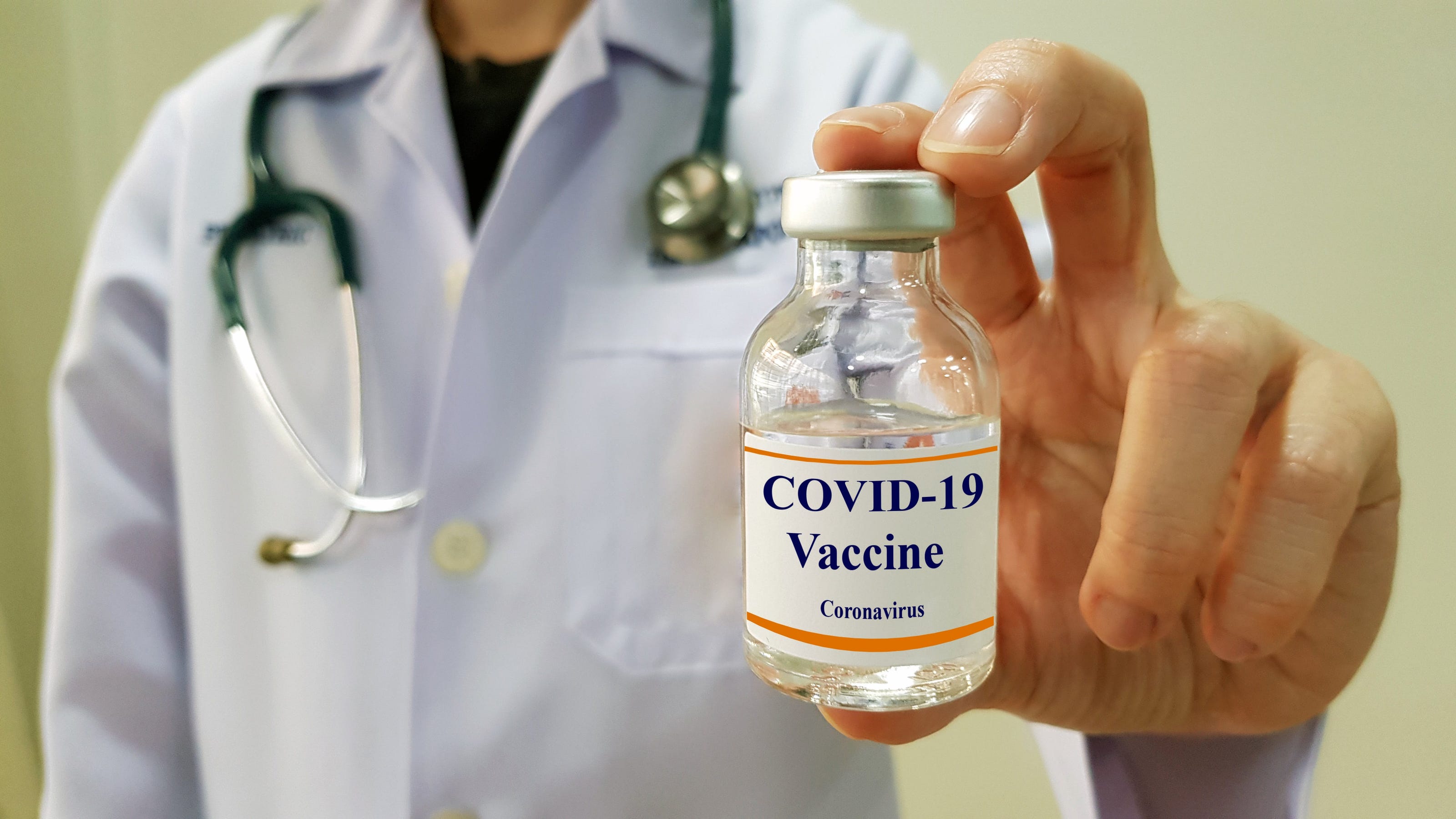
The vaccine is being used, but several factors limit its reach:
- Logistical challenges, including power outages and roadblocks.
- Community resistance due to misinformation.
- Limited production capacity, though manufacturers are ramping up output.
The WHO prioritizes vaccinating frontline workers, contacts of confirmed cases, and high-risk communities first.
Can Ebola spread to other countries?
The risk of international spread is low but not zero. The WHO monitors air travel and land borders closely. So far, no cases have been detected outside the DRC, but the agency maintains a high level of alert given the outbreak’s proximity to Uganda and Rwanda.
What are the symptoms of Ebola, and how is it treated?
Ebola symptoms include:
- Fever, fatigue, muscle pain.
- Vomiting, diarrhea, and internal/external bleeding (in advanced stages).
Treatment focuses on supportive care (hydration, electrolyte balance) and experimental therapies like:
- Monoclonal antibodies (e.g., REGN-EB3).
- Convalescent plasma from recovered patients.
There is no licensed cure, but survival rates improve with early intervention.
How can individuals protect themselves if traveling to the DRC?
The CDC and WHO recommend:
- Avoiding contact with sick or deceased individuals.
- Practicing good hygiene (handwashing, avoiding bush meat).
- Monitoring for symptoms and seeking medical care immediately if they appear.
Travelers to high-risk areas should register with their embassy and monitor local health advisories.
What is being done to prevent another outbreak?
Lessons from this epidemic are shaping future preparedness efforts, including:
- Strengthening regional surveillance networks across Central Africa.
- Investing in local health systems to reduce reliance on international aid.
- Developing rapid-response protocols for conflict zones.
The WHO’s Global Outbreak Alert and Response Network (GOARN) is coordinating these efforts.
—
The Ebola outbreak in the Democratic Republic of Congo has reached a critical juncture. With cases surpassing 300 and the virus spreading in ways that challenge traditional response strategies, the coming weeks will be decisive. Success will depend not only on medical interventions but also on addressing the deeper challenges of security, trust, and resource allocation. For the people of North Kivu and Ituri, the stakes could not be higher—yet for the world, the lessons of this outbreak will shape how future epidemics are met.
As the response intensifies, one thing is clear: the fight against Ebola is far from over. What remains uncertain is whether the international community will rise to the challenge in time.
